


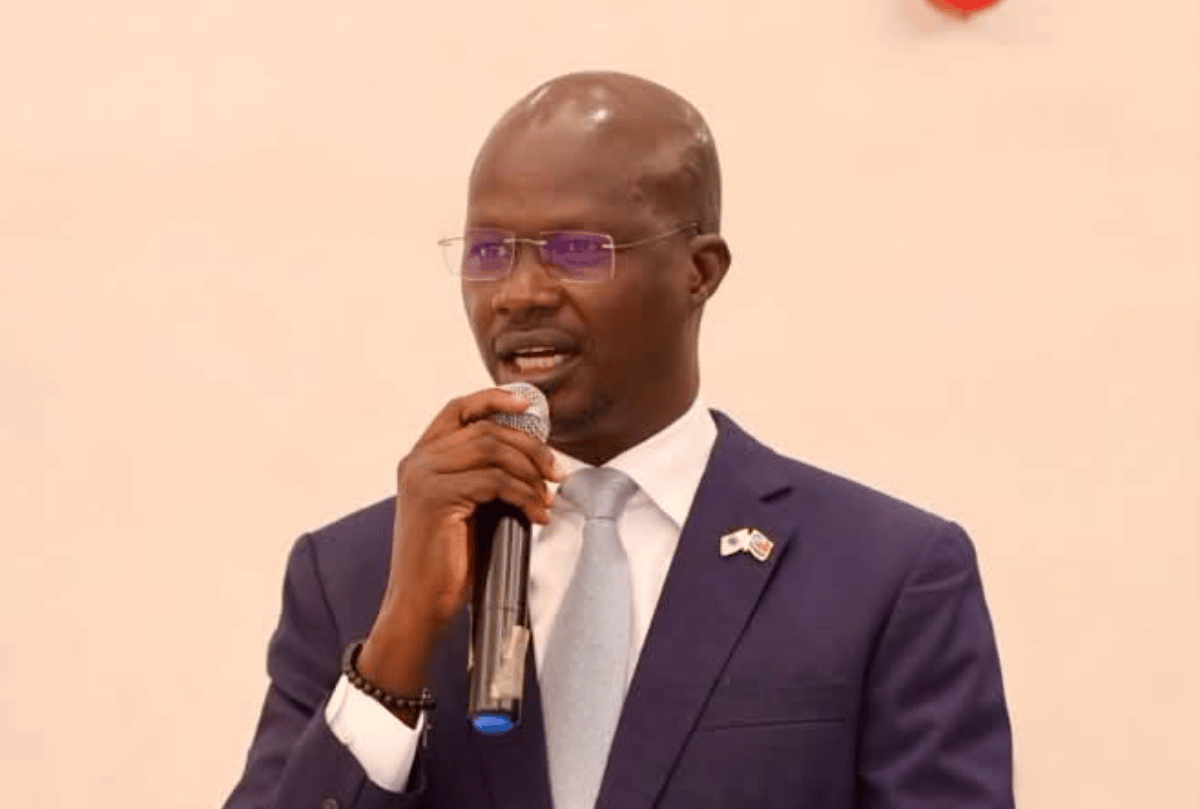
The Bank of South Sudan is pressing for quicker progress on the Draft National Payment System Bill, 2025, as part of a broader push to reduce the country’s heavy reliance on cash and expand digital payments. Governor Dr. Addis Ababa Othow made the call at the close of a five-day validation workshop in Juba that brought together government agencies, commercial banks, telecom operators, the National Communication Authority and representatives from the East African Community Secretariat.
Othow said the proposed legislation should strengthen financial inclusion, consumer and data protection, licensing and regulation of payment service providers, while also supporting private-sector participation. The central bank has framed the bill as essential for building a more secure, efficient and reliable national payments infrastructure.
South Sudan has taken several steps in recent years to modernise its payment systems. These include the launch of an Inter-Bank Payment and Settlement System, efforts to integrate mobile money platforms with banks, and earlier measures such as declaring mobile money legal tender and imposing limits on large cash withdrawals. Telecom operators including MTN and Zain, along with other digital finance providers, have been involved in related coordination efforts.
The country remains one of the more cash-dependent economies in the region. Large volumes of currency circulate outside the formal banking system, complicating monetary policy, tax collection and financial inclusion. Officials have repeatedly linked digital payments to improved transparency, lower costs and greater access for unbanked populations.
Passage of a comprehensive National Payment System law would provide a clearer regulatory foundation for banks, mobile-money operators and fintechs. It would also align South Sudan more closely with regional standards as the country engages with East African Community frameworks.
Implementation challenges remain significant. Infrastructure gaps, limited digital literacy, liquidity constraints and the need for interoperable systems will continue to shape how quickly digital payments can scale. The central bank’s latest call signals that the legislative piece is now viewed as a near-term priority rather than a longer-term ambition.
Whether the bill moves through the legislative process at the pace the central bank wants will determine how quickly South Sudan can translate its digital-payment ambitions into a more formal and inclusive financial system.