


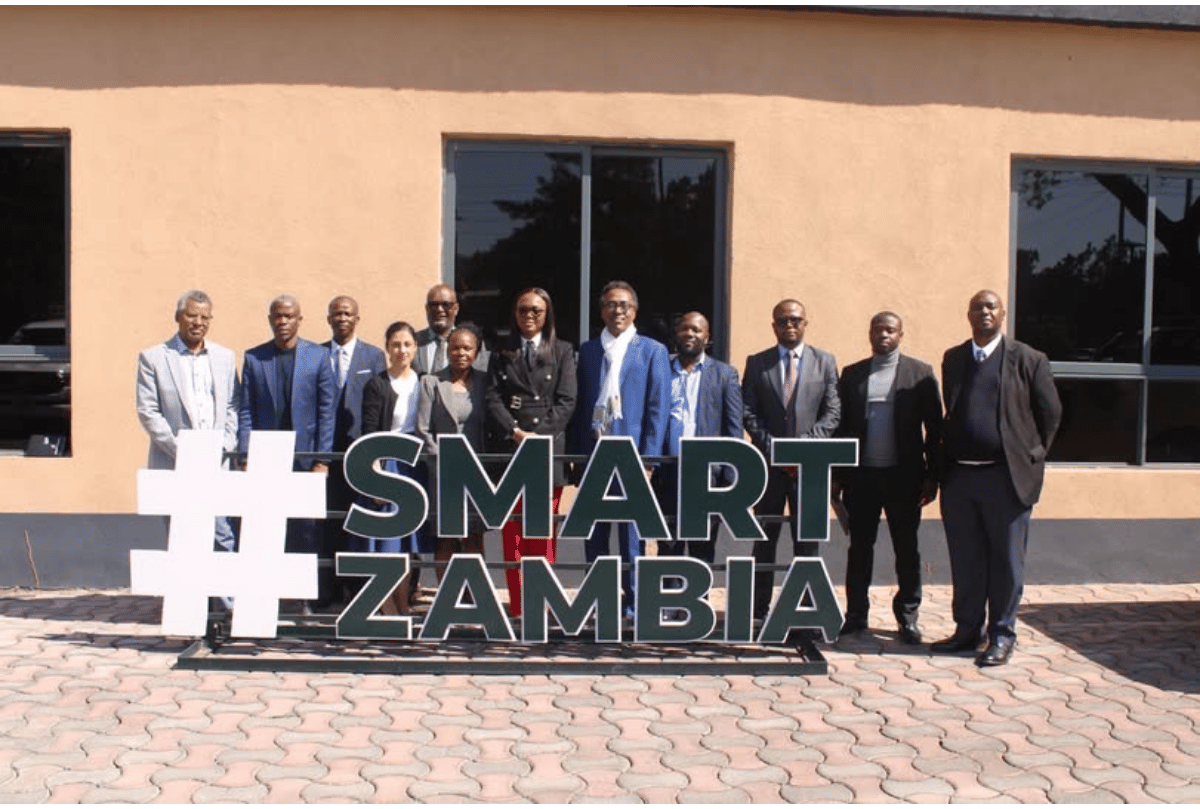
SMART Zambia and the Global Fund are in discussions for a major strategic investment aimed at strengthening digital health systems across Zambia.
The potential partnership seeks to leverage technology to improve healthcare delivery, disease surveillance, supply chain management, and patient data systems, with a strong focus on HIV, tuberculosis, and malaria the core areas supported by the Global Fund.
This collaboration represents a significant step in Zambia’s digital health journey. SMART Zambia, the government’s digital transformation agency, has been driving national efforts to digitise public services. Partnering with the Global Fund would bring substantial funding, technical expertise, and global best practices to accelerate the deployment of robust digital tools in the health sector.
The investment is expected to support the integration of electronic health records, real-time disease reporting, telemedicine capabilities, and digital supply chain solutions. These improvements are critical in a country where healthcare access remains uneven, particularly in rural and remote areas.
Zambia has made notable progress in digital infrastructure in recent years, but gaps in health data management and service delivery continue to hinder faster progress toward national health targets and Universal Health Coverage.
Digital health has become a game-changer across Africa. Countries that successfully integrate technology into healthcare systems are seeing better outcomes in disease prevention, treatment adherence, and resource allocation. For Zambia, this partnership could mark a shift from fragmented pilot projects to a more comprehensive, nationally scaled digital health ecosystem.
The involvement of the Global Fund also signals growing international interest in funding digital solutions rather than just traditional medical interventions. This approach has the potential to deliver more sustainable impact and better value for money on health investments.
For ordinary Zambians, especially in rural communities, improved digital health systems could mean faster diagnosis, reduced stock-outs of essential medicines, and better tracking of patients with chronic conditions. Mothers and children, who bear a heavy burden from malaria and maternal health issues, stand to benefit significantly from more responsive and data-driven healthcare services.
Health workers could also see reduced administrative burden through digital tools, allowing them to spend more time on patient care rather than paperwork.
This potential partnership reflects a maturing understanding that technology is no longer a luxury in African healthcare it is becoming essential infrastructure. If successfully implemented, the collaboration between SMART Zambia and the Global Fund could serve as a model for other countries in the region seeking to modernise their health systems through strategic digital investments.