




PricewaterhouseCoopers Limited (PwC) has taken control of Koko Networks, bringing one of Kenya’s most ambitious clean-cooking startups under insolvency management after years of rapid expansion and mounting financial pressure.
PwC partners Muniu Thoithi and George Weru were appointed joint administrators of Koko Networks Limited and Koko Networks on February 1, according to a formal notice issued under Kenya’s Insolvency Act of 2015. Their appointment followed a dramatic collapse that culminated in the layoff of more than 700 employees on January 31, effectively halting a business that once promised to transform how low-income households cook.
For more than a decade, Koko built a model around subsidized bio-ethanol fuel, smart stoves, and automated dispensing kiosks placed in informal settlements. At its peak, the company said it served between 1.3 and 1.5 million households and operated around 3,000 fuel points across Kenya and Rwanda. The goal was simple and powerful: make clean cooking cheaper and more reliable than charcoal, even for families with only a few shillings to spare.
That vision attracted more than $300 million in equity, debt, and guarantees from investors and development finance institutions. Backers included Verod-Kepple, Mirova, Rand Merchant Bank, and Microsoft’s Climate Innovation Fund. The World Bank’s Multilateral Investment Guarantee Agency (MIGA) also provided a $179.6 million guarantee to reduce political and operational risk as the company scaled.
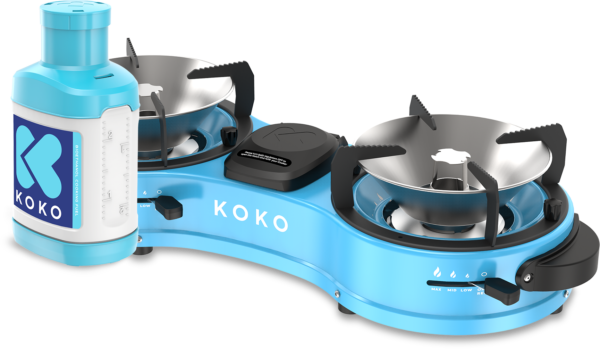
But behind the rapid growth, Koko’s finances were under strain. The business relied heavily on future revenues from international carbon credits to keep prices low. Its two-burner smart stoves sold for about KES 1,950 ($16), far below production cost, while fuel prices were kept artificially cheap so households could top up with as little as KES 30 ($0.23). Carbon-credit income was meant to close the gap. That lifeline never materialised.
According to people familiar with the company’s operations, Koko had spent much of 2025 negotiating a government letter of authorisation (LOA) that would allow it to sell carbon credits abroad. Talks with the Ministry of Environment were described as positive, and management believed approval was only a matter of time.
Read also: Konza Technopolis Phase 1 Launch: Kenya Ushers in a New Era of Smart Urban Innovation
That confidence collapsed last week. A senior official in the ministry rejected the LOA, undoing months of negotiations and leaving Koko without access to the carbon revenues its investors were counting on. Without the LOA, lenders and backers refused to extend further support, and the company ran out of options.
The rejection was the final blow in a long series of setbacks. In April 2024, Kenya’s Energy and Petroleum Regulatory Authority (EPRA) suspended imports of bio-ethanol. The decision forced Koko to rely on more expensive and limited local supply, squeezing margins and disrupting fuel logistics. By late 2024, customers in low-income neighbourhoods were already reporting frequent shortages, a sharp break from Koko’s promise of always-available fuel.
The pressure also affected operations beyond Kenya. Koko had expanded into Rwanda, but that unit was paused as funds were redirected to keep the Kenyan business afloat. Higher fuel costs and falling confidence steadily eroded the company’s ability to deliver on its core promise.
Now under administration, PwC has taken full control of Koko’s assets and affairs. All decisions on operations, restructuring, or asset sales rest with the administrators, who will assess whether any part of the business can be rescued or whether creditors will be better served through an orderly wind-down.
In a notice to stakeholders, PwC said the aim of the administration process is to explore options to save the company as a going concern where possible, or to achieve a better outcome for creditors than liquidation would allow. Staff and creditors are expected to receive formal communication in the coming days, including details on unpaid salaries, benefits, and redundancy obligations.
Anyone with a claim against Koko has been asked to submit it within 14 days to be included in the creditors’ roll.
Koko’s collapse is a stark reminder of the risks facing climate-focused startups operating at the intersection of public policy, carbon markets, and low-income consumers. It also raises difficult questions about how clean-cooking solutions should be financed in Africa, and how much they can depend on future carbon revenues that remain vulnerable to regulatory delays.
For the households Koko served, the impact is immediate. For the wider clean-energy sector, the lesson may be longer-lasting.


 English
  简体中文
简体中文  Čeština
  Deutsch (Sie)
  Français


