

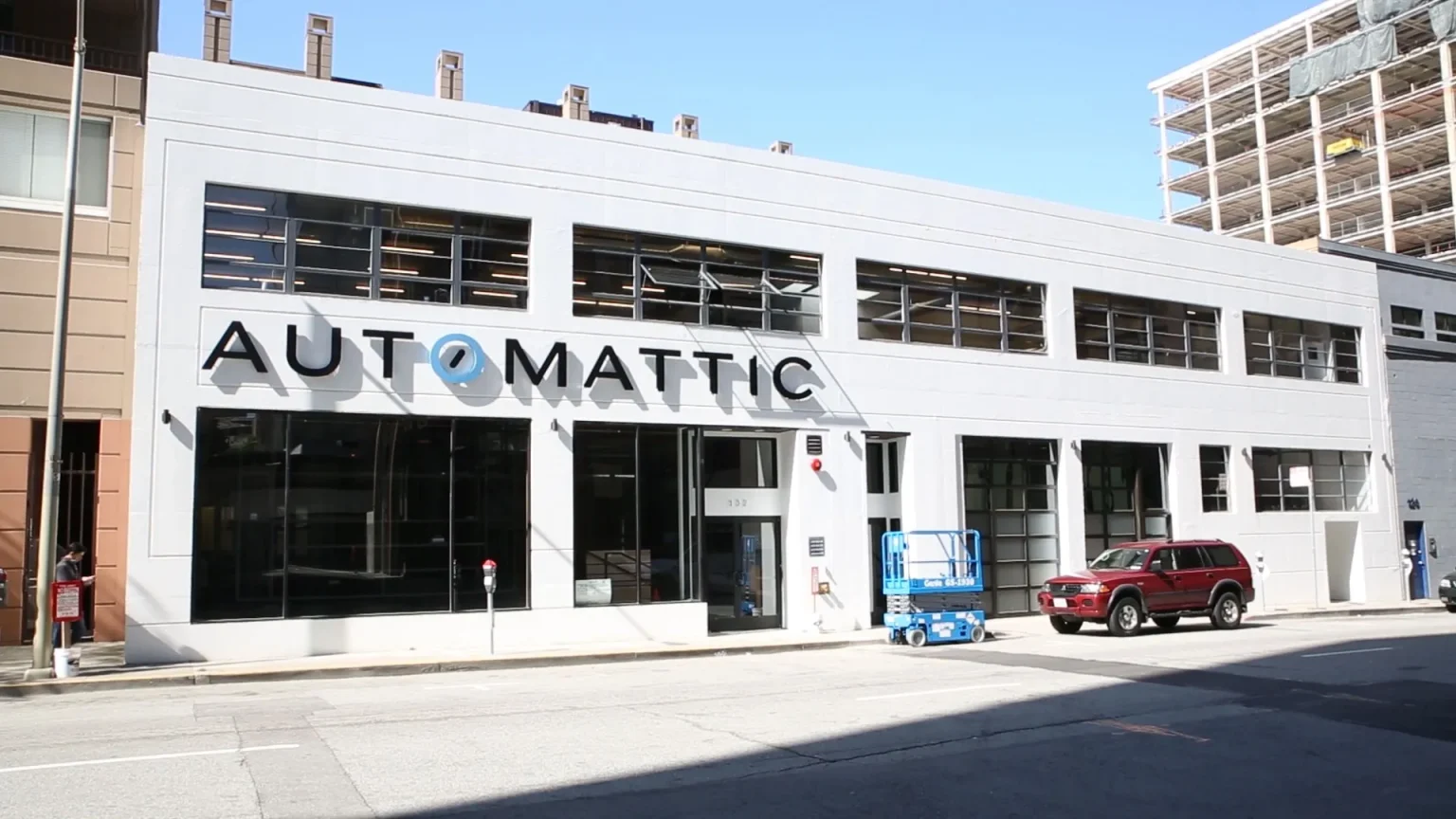

WP Engine has leveled fresh allegations against Automattic and WordPress co-founder Matt Mullenweg, claiming in a newly unredacted court filing that the duo hatched a plan to extract royalties from at least 10 hosting companies for using WordPress trademarks, framing it as part of a broader anticompetitive scheme to monetize the open-source platform.
The accusations surfaced in WP Engine’s third amended complaint, filed February 10, 2026, in the Northern District of California, amid an ongoing legal battle that began in September 2025 over trademark disputes, access restrictions, and alleged extortion. The filing alleges Automattic and Mullenweg concealed control over WordPress trademarks, transferred back to Automattic in 2010 via an exclusive, royalty-free license from the WordPress Foundation, to enable future demands for “exorbitantly priced ‘partnerships'” including trademark licenses, despite no legal requirement for such fees in nominative use.
Internal documents from March 2024 reportedly outline plans to offer these partnerships to competitors or “start stealing their sites” if deals fail, with demands escalating to at least 8% royalties on gross revenues, untethered to costs. and threats of “nuclear” actions like bans, litigation, and access blocks to wordpress.org resources. The complaint specifies that Newfold Digital (parent of Bluehost and HostGator) is already paying under trademark-inclusive deals, and at least one other unnamed host is complying, while plans target “at least 10” additional market participants. Mullenweg allegedly admitted in a September 28, 2025, interview that “other people [are] paying things,” and in October 2025 sought more than 8% from WP Engine while considering a takeover.
“Unless WPE pays an at least arbitrary 8% purported royalty… Defendants would go ‘nuclear’… only ‘go away by doing a license,'” the filing quotes, framing the demands as extortion under antitrust laws, including Sherman Act Sections 1 and 2 for monopolization and attempted monopolization. Automattic has countered in previous filings, accusing WP Engine of trademark infringement, deceptive branding, and exploiting the WordPress ecosystem without adequate contributions, while denying any anticompetitive intent.
The feud traces to September 2025, when Mullenweg publicly criticized WP Engine at WordCamp US for insufficient community contributions, leading to a cease-and-desist from WP Engine, followed by Automattic’s demands, access blocks, and WP Engine’s initial lawsuit. A preliminary injunction in December 2025 forced Automattic to restore WP Engine’s access, but the case continues with counterclaims from Automattic alleging sustained trademark misuse since WP Engine’s 2018 acquisition by Silver Lake.
The WordPress ecosystem, powering 43% of websites, has seen similar tensions, with Mullenweg’s criticisms of other hosts like GoDaddy for low contributions, but this case could reshape trademark norms in open-source communities. As litigation drags on, it risks fracturing the community, but a resolution might clarify boundaries for commercial use of free software.





 English
  简体中文
简体中文  Čeština
  Deutsch (Sie)
  Français


