

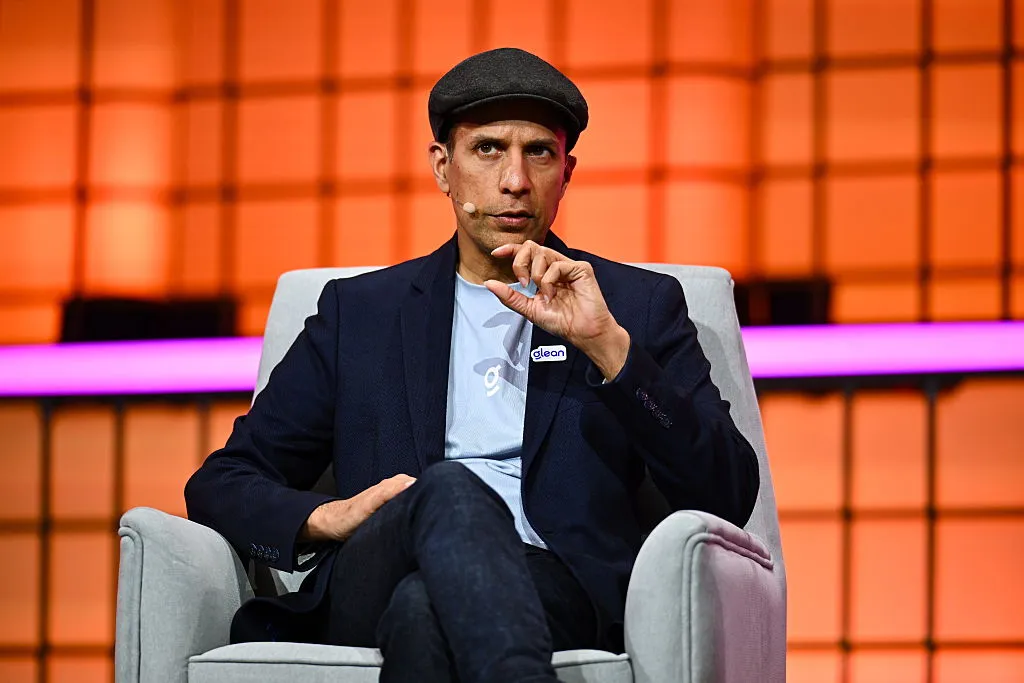

The race to dominate enterprise AI is heating up, with startups and tech giants vying for control over the foundational layers that power next-generation tools. Amid this frenzy, Glean, an enterprise AI company founded in 2019 by former Google executive Arvind Jain , is carving out a unique niche by evolving from an enterprise search product into what it calls an “AI work assistant,” designed to serve as the invisible intelligence layer beneath user-facing interfaces.
Glean’s strategy focuses on three key layers: model access (allowing seamless switching between large language models from providers like OpenAI or Anthropic), integrations (connecting to internal enterprise systems), and permissions (managing data access and security). Rather than competing directly for the end-user interface, where chatbots and apps dominate, Glean aims to power those experiences from behind the scenes, ensuring consistent intelligence delivery across an organization’s tools. Jain argues that while flashy interfaces attract initial users, long-term retention depends on the robust underpinnings: “What keeps customers is everything underneath it.”
This pivot comes as enterprise AI adoption surges, shifting from simple question-answering chatbots to systems that automate workflows and integrate deeply with business operations. Glean, which raised $150 million in June 2025 at a $7.2 billion valuation, positions itself as middleware that abstracts away complexities, allowing enterprises to combine models without lock-in. The company’s growth reflects the broader land grab: Investors are pouring billions into AI infrastructure plays, betting on platforms that enable scalable deployment amid competition from Big Tech bundling.
As the enterprise AI market evolves, Glean’s focus on the “layer beneath” could prove prescient, but it faces stiff competition from integrated offerings by giants like Microsoft and Google. Success will hinge on seamless integrations and proving value in a crowded field.






 English
  简体中文
简体中文  Čeština
  Deutsch (Sie)
  Français


