


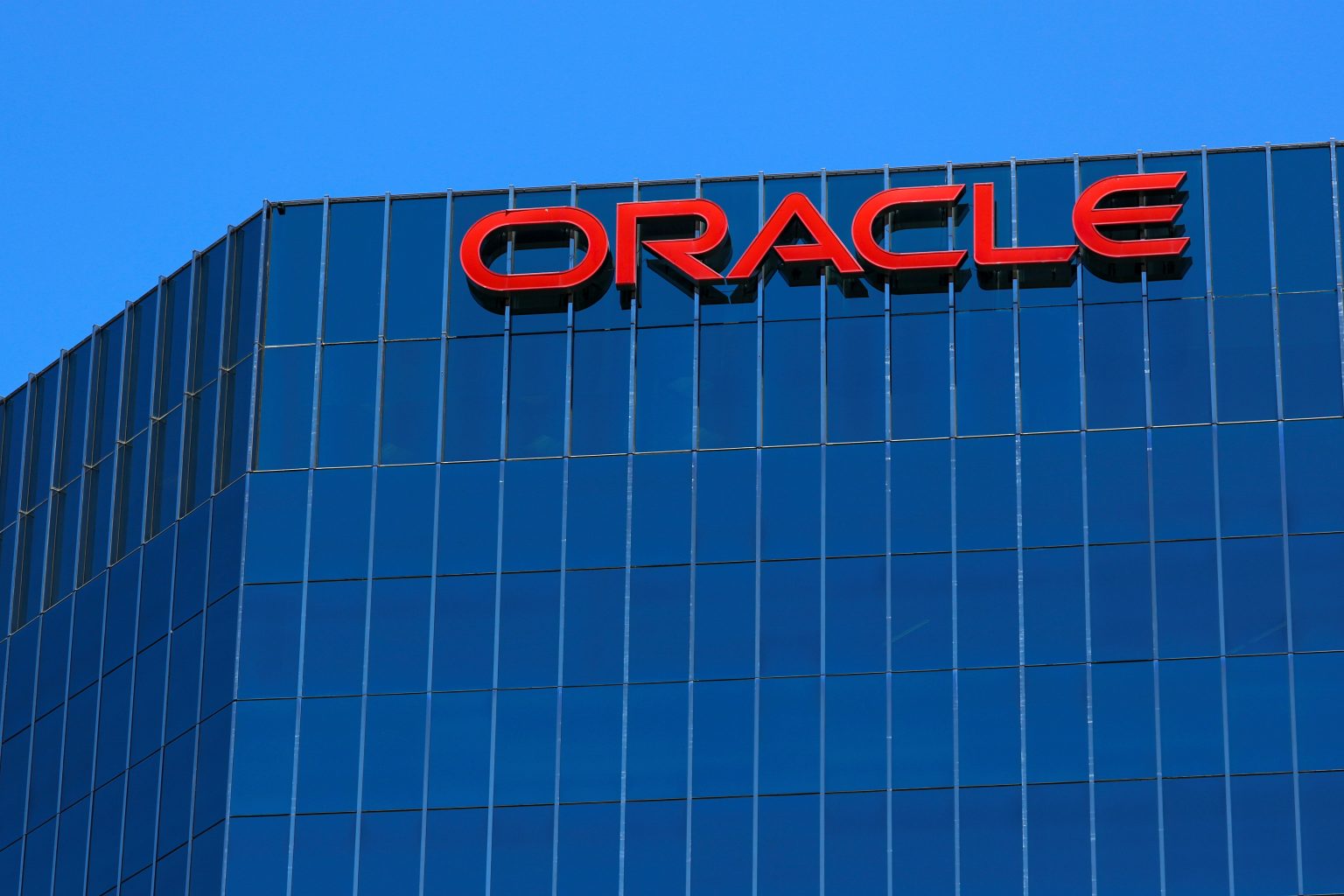

In what was meant to be the crowning achievement of Larry Ellison’s career, Oracle’s securing of a $300 billion contract with OpenAI has instead triggered a paradoxical financial crisis. According to a new analysis by the Financial Times and market data from mid-November 2025, Oracle is now “underwater” on the deal, having shed approximately $315 billion in market capitalization since the partnership was first announced in September.
For founders, venture capitalists, and policymakers watching the AI infrastructure build-out, the market’s violent reaction serves as a chilling bellwether: the era of unconditional check-writing for AI hardware may be over.
The math is as stark as it is brutal. Since September 10, 2025, when news broke of the five-year, $300 billion cloud computing agreement, Oracle’s stock has plummeted, erasing more shareholder value than the total face value of the contract itself.
While the S&P 500 and rival hyperscalers like Microsoft and Amazon have remained relatively stable, Oracle has faced a unique sell-off. Investors are effectively signaling that the cost of fulfilling this contract, specifically the debt and capital expenditure required, exceeds the potential revenue it will generate.
“The market is treating this not as a revenue pipeline, but as a liability,” noted a senior analyst at KeyBanc. “Oracle has won the right to spend $100 billion on infrastructure for a client that is currently burning cash at a historic rate.”
The specifics of the deal, intended to support the massive “Stargate” AI supercomputer project, are unprecedented in the history of corporate IT:
- Value: $300 billion over five years.
- Start Date: Deliverables begin in 2027.
- Capacity: Oracle is tasked with supplying roughly 4.5 gigawatts (GW) of computing capacity. To put this in perspective, 4.5 GW is roughly equivalent to the output of four nuclear reactors or the power consumption of 4 million homes.
Also Read: Oracle and OpenAI Seal $300B Deal to Power Project Stargate
Unlike Amazon Web Services (AWS) or Microsoft Azure, which fund expansion through massive operating cash flows, Oracle is reportedly financing this build-out largely through debt. The company’s net debt is already at 2.5x EBITDA and is projected to nearly double by 2030 to support the necessary infrastructure.
For VCs and founders, the Oracle situation highlights a critical bottleneck in the AI ecosystem: the sheer capital intensity of the next generation of models.
To service OpenAI, Oracle must engage in what analysts are calling a “capex inferno”, spending an estimated $100 billion over the next four years on GPUs, data centers, and energy infrastructure. This spending is expected to push Oracle’s free cash flow into negative territory for five consecutive years.
“Oracle is betting the farm,” said one Silicon Valley venture capitalist. “They are transitioning from a high-margin software business to a capital-intensive utility provider, all for one major customer.”
Perhaps the most alarming aspect for investors is the “counterparty risk.” The deal rests entirely on the assumption that OpenAI will not only survive but continue its exponential growth to pay a $60 billion annual cloud bill starting in 2027.
Critics and short-sellers point out that OpenAI, despite its dominance, is yet to turn a profit and relies heavily on external funding. If the “AI bubble” were to deflate, or if OpenAI failed to capture sufficient enterprise revenue to cover these costs, Oracle would be left holding billions in specialized debt and depreciating hardware.
For policymakers, this volatility underscores the fragility of the AI supply chain. The concentration of such massive power requirements ($300B for one client) raises concerns about energy grid stability and the systemic risk posed by a single point of failure in the AI market.
For investors and founders, the lesson is clear: The public markets are no longer rewarding AI announcements with blind optimism. They are now demanding to see the return on invested capital (ROIC). As Oracle attempts to swim upstream with this massive contract, the industry watches with bated breath, is this the boldest bet in tech history, or the first domino of an infrastructure correction?

 English
  简体中文
简体中文  Čeština
  Deutsch (Sie)
  Français


