


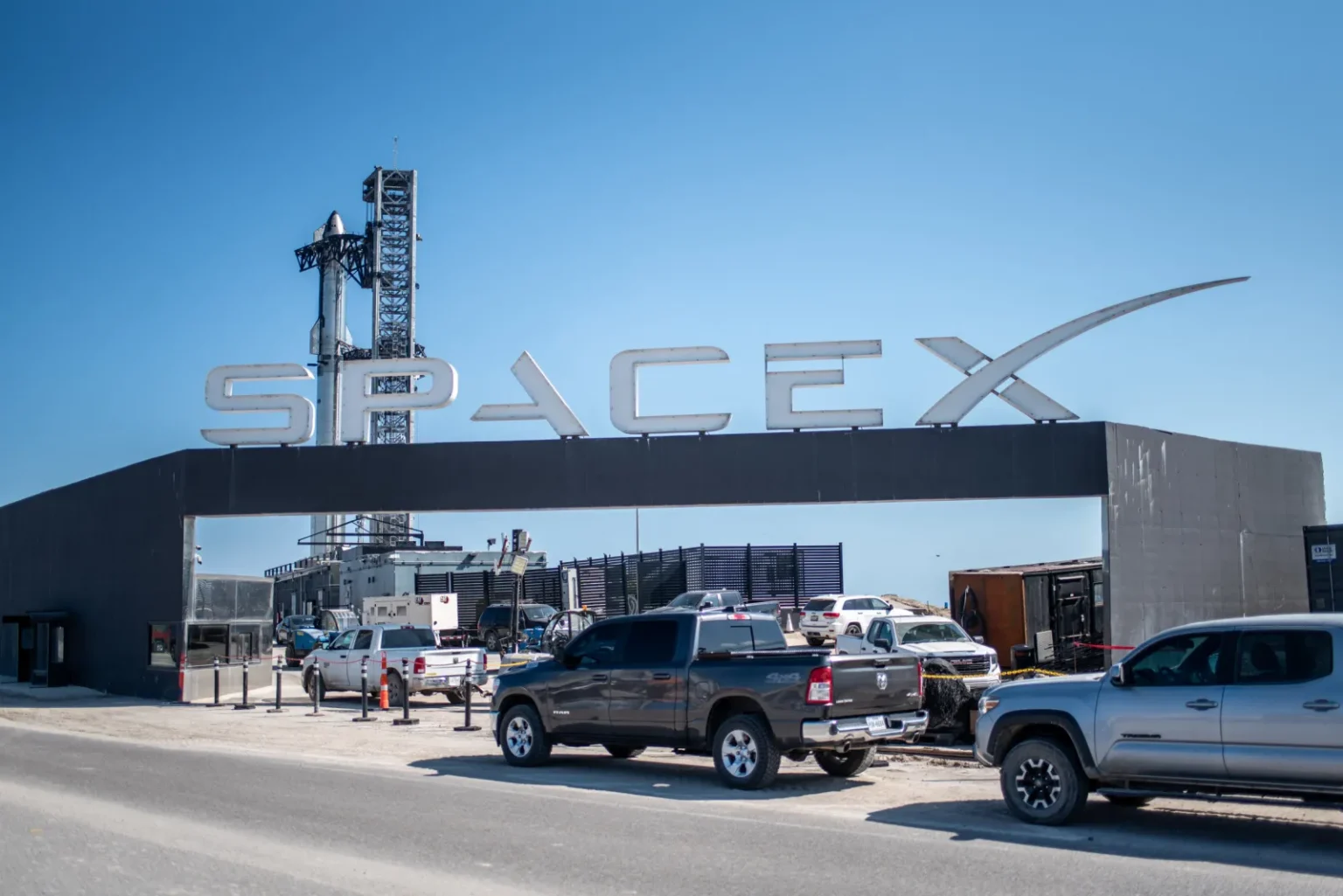

Starbase, the remote South Texas enclave that Elon Musk’s SpaceX has transformed into a company town around its Starship rocket program, is taking another step toward self-sufficiency: it’s establishing its own municipal police department.
On February 3, 2026, the Starbase city commission unanimously approved an ordinance to create the department, subject to final certification from the Texas Commission on Law Enforcement (TCOLE). Once approved, the force will be headed by a chief of police appointed by the commission and is expected to start with eight sworn officers. City leaders anticipate the department could be operational within a few months, with job applications already planned to open nationwide, though officials expect strong local interest as well.
The move comes after an earlier outsourcing arrangement fell short. In recent years, Starbase contracted with the Cameron County Sheriff’s Office under a five-year, $3.5 million deal that promised two deputies on patrol at any given time (with eight assigned in rotation) and access to the county jail at $100 per inmate per day, plus extras for medical and other costs. But the setup lacked civil service protections for deputies, and the city struggled to secure consistent coverage in such an isolated location. The result: limited success in maintaining reliable law enforcement presence.
Starbase city administrator Kent Myers framed the shift plainly during discussions leading to the vote. “There is a lot of assets here with the operations of SpaceX,” he said. “Those assets need to be protected, and so the police department will play a critical part in protecting those assets.” To build the new force from the ground up, the city has engaged Vision Quest Solutions, a security consulting firm, to guide recruitment, training, and setup.
Starbase itself is a product of SpaceX’s aggressive expansion in Boca Chica. What began as a collection of launch pads and test stands has evolved into a small, incorporated city, formally recognized in 2025, with a population of a few hundred, almost entirely SpaceX employees, contractors, and their families. The area remains geographically cut off: Brownsville sits about 10 miles away as the crow flies, but the drive often takes 45 minutes or more due to rural roads and security checkpoints. Before incorporation, security relied heavily on private SpaceX guards supplemented by off-duty sheriff’s deputies to deter trespassers and manage the occasional incident around high-profile rocket tests.
This police department joins a growing list of public services the young city has brought in-house. Last October, Starbase created its own volunteer fire department, appointed a fire marshal, and assumed building inspections and permitting authority, moves that reduce dependence on county and state agencies and give the city more direct control over development tied to SpaceX’s operations.
The broader context is hard to ignore. Starbase isn’t just a residential neighbourhood; it’s ground zero for one of the most ambitious, and scrutinized, private space programs on Earth. Starship prototypes tower over the landscape, test explosions light up the night sky, and the site draws global attention from aerospace watchers, environmental groups, journalists, and the occasional curious visitor. A dedicated municipal police force offers a more tailored response to threats against critical infrastructure, whether that means safeguarding rocket hardware, managing access during launches, or handling any spillover from the high-stakes work happening there.
No direct comment from SpaceX or Musk appeared in connection with the announcement, and local reporting has not highlighted widespread community opposition, though the town’s small size and tight integration with the company mean resident sentiment largely aligns with corporate priorities. Still, the development raises familiar questions about company towns in the modern era: how much autonomy is too much when a single employer dominates economic and civic life?
For now, the practical driver is clear. In a place where billions of dollars in hardware and intellectual property sit exposed in a remote corner of Texas, relying on stretched county resources has proven inadequate. Bringing policing in-house is less about dystopian control fantasies and more about operational necessity in a company town that’s outgrowing its makeshift governance.
If TCOLE signs off quickly, Starbase could soon have its own badge-wearing officers patrolling the perimeter of what Musk has called humanity’s path to becoming multi-planetary. Whether that force becomes a quiet utility or a symbol of deeper corporate sovereignty will depend on how it’s wielded in the months and years ahead.


 English
  简体中文
简体中文  Čeština
  Deutsch (Sie)
  Français


