



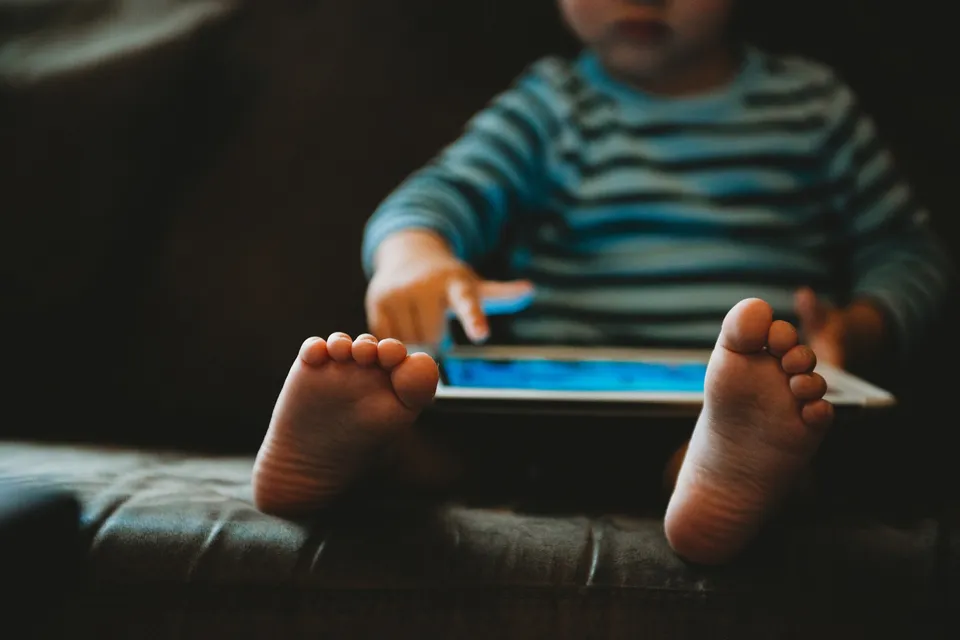

A new study from Singapore has found a strong link between too much screen time for babies under two and problems like slower decision-making and more anxiety when they become teens. Published in the medical journal eBioMedicine on December 28, 2025, the research tracked kids over more than 10 years and shows how early screen habits can change brain development in lasting ways. This adds to worries about how digital devices affect young minds, especially during fast brain growth in infancy.
The study comes from Singapore’s Agency for Science, Technology and Research (ASTAR), as part of the Growing Up in Singapore Towards healthy Outcomes (GUSTO) project. Led by Assistant Professor Tan Ai Peng from ASTAR’s Institute for Human Development and Potential (IHDP) and the National University of Singapore (NUS), with Dr. Huang Pei as the first author, it looked at 168 children. Researchers used brain scans at ages 4.5, 6, and 7.5 years to see network changes, plus tests for decision-making at age 8.5 and anxiety checks at age 13.
Key finding: Babies with high screen exposure showed “accelerated maturation” in brain networks for visual processing and cognitive control. This means their brains grew faster in these areas, but it came at a cost – less flexibility and resilience later on. By teen years, these kids took longer on tasks needing quick choices and had higher anxiety symptoms, like trouble in social settings. The study did not set exact hour limits but compared “high levels” (more screen time) to lower exposure in infancy.
There is a bright side: Kids whose parents read to them often at age three had a weaker link between early screens and brain changes. This suggests interactive activities, like shared reading or play, can protect against some harms. Experts recommend active parent involvement during any screen time, picking calm content, and mixing in real-world fun like building blocks or outdoor games.
From a tech view, this highlights risks of “iPad kids” – young ones glued to tablets or phones for entertainment. As AI and apps make screens more engaging, parents and makers need to think about long-term effects. Guidelines from groups like the World Health Organization already say no screens for under-twos, and this study backs that with brain data. It is the first to track screen impacts over 10 years with scans and behavior tests.
The GUSTO cohort, started in 2009, follows over 1,000 Singaporean families to study child health. This subset focused on screens because infancy is a key window for brain wiring, sensitive to too much visual input. Limitations include the small sample size of 168, and results might vary by culture or screen type, but it is a strong start for more research.
Online, parents and experts are buzzing. On sites like Reddit and X, people share tips to cut screen time, like family reading routines. As tech keeps evolving, studies like this push for balanced use. If you have young kids, maybe swap the tablet for a book – it could make a big difference down the road.


 English
  简体中文
简体中文  Čeština
  Deutsch (Sie)
  Français


