



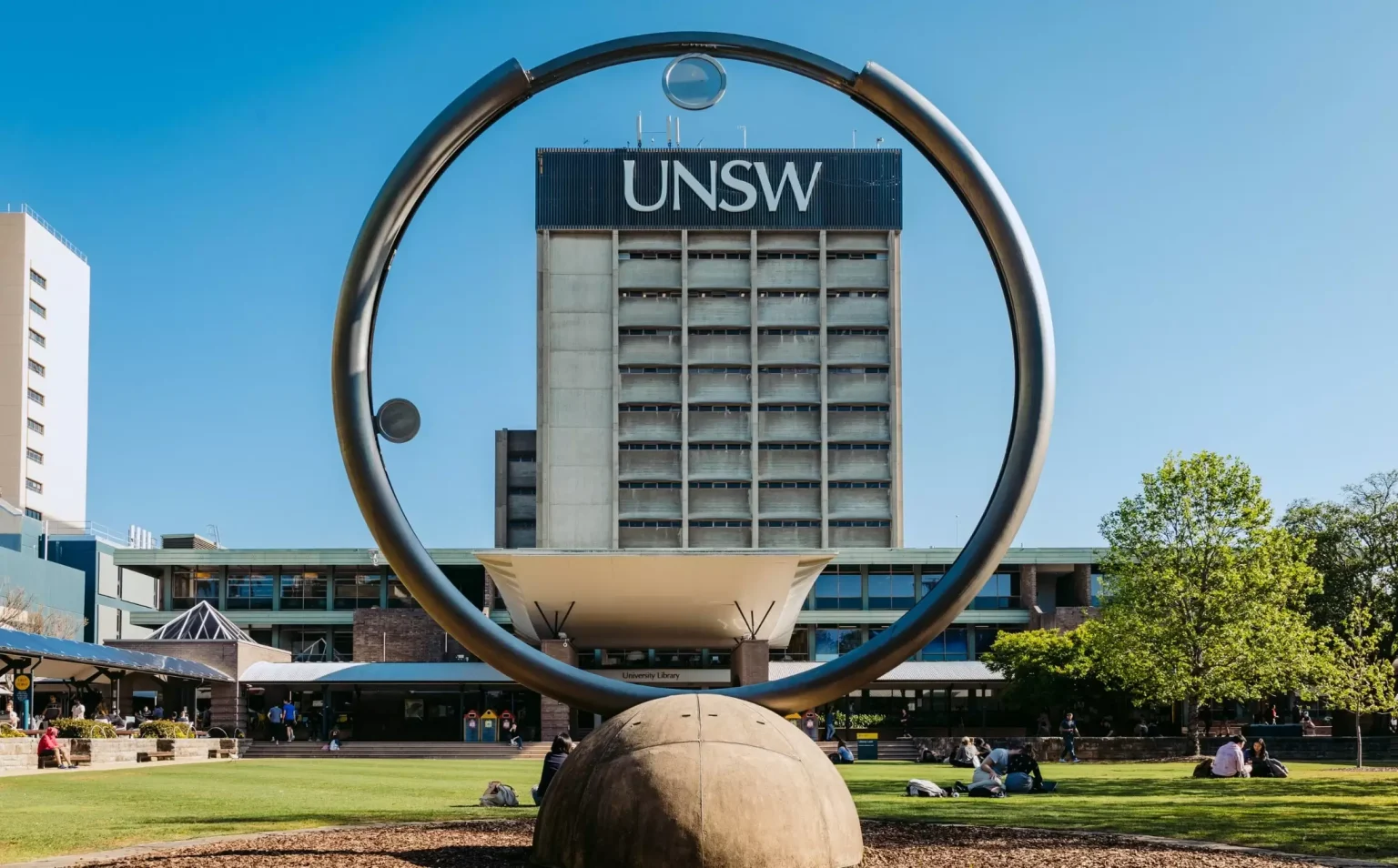

Scientists at the University of New South Wales (UNSW) Sydney are pioneering a “reverse solar panel” technology that flips traditional photovoltaics on its head, generating small amounts of electricity at night by radiating heat into the cold expanse of space rather than absorbing sunlight.
The device, known as a thermoradiative diode, exploits the temperature difference between Earth’s warmer surface and the frigid night sky, emitting infrared light (heat) outward to create a flow of electrons and produce power, essentially operating as a solar cell in reverse. First demonstrated experimentally in 2022 by the UNSW team, the concept builds on earlier theoretical work from institutions like Stanford and Harvard, with recent advancements highlighted in January 2026 reports showing potential for real-world applications.
Output remains modest, estimates range from 50 milliwatts per square meter in some prototypes to about 1 watt per square meter under ideal conditions, but researchers envision it powering low-energy devices like sensors, LEDs, or even satellites in deep space where sunlight is scarce. “It’s like a reverse solar panel,” said UNSW postgraduate student Jamie Harrison, explaining how the system captures heat absorbed by Earth during the day and radiates it out at night.
Also Read: Cheap Solar Is Changing Lives and Economies in Africa
The technology draws on radiative cooling, a phenomenon where objects emit more heat than they absorb under clear night skies, and integrates thermoelectric generators to convert the resulting temperature gradients into electricity. While not a replacement for daytime solar, it could complement existing panels, enabling round-the-clock renewable energy in off-grid scenarios or extreme environments.
Similar concepts have been explored at Stanford, where researchers in 2022 adapted solar panels with thermoelectric modules to yield 50 milliwatts per square meter at night, and theoretical models suggest scalability for broader use.
Amid global pushes for 24/7 clean energy, this nighttime harvest could bridge gaps in solar’s intermittency, though challenges like efficiency and cost remain. As quantum and material sciences advance, expect more hybrids blending day and night power in the renewable revolution.


 English
  简体中文
简体中文  Čeština
  Deutsch (Sie)
  Français


