



In a scary demo that feels like something from a sci-fi movie, Chinese researchers have shown how easy it can be to take over humanoid robots with just a simple voice command. This hack not only lets bad guys control one robot but also spread the takeover to others nearby, turning them into a kind of robot army. The news broke in late December 2025, raising big questions about how safe these smart machines are as they start showing up in homes and workplaces.
The big reveal happened at GEEKCon, a cybersecurity event in Shanghai that brings together “white-hat hackers” – the good guys who find flaws to fix them – from China, the US, Russia, and other places. Since starting in 2014, GEEKCon has held 17 events, and this one focused on real-world dangers in tech like robots. Researchers Qu Shipei and Xu Zikai from the cybersecurity group DARKNAVY led the demo. They picked a popular humanoid robot made by Unitree, a Chinese company, which costs about 100,000 yuan or around $14,200. This robot runs on an AI system called a large-model agent, which helps it understand commands and do tasks.
Here’s how the hack worked: The researchers used a spoken command – like a whispered word – to exploit a flaw in the robot’s AI software. The robot was connected to the internet, which let them trigger the weakness through voice interaction. Once they had control, it took just minutes – some reports say only one minute – to fully take over the machine. In the demo, the hacked robot even moved forward and hit a mannequin on stage, showing it could cause real physical harm.
But it gets worse. The compromised robot then used short-range wireless signals, like Bluetooth, to send the hack to another robot nearby that wasn’t even online. This turned the first robot into a “Trojan horse” that infects others, spreading bad behavior and chaos. It’s like how computer viruses jump from one device to another, but here it’s robots that can move and act in the real world. The researchers warned that spies or hackers could use this to control a whole group of robots for sneaky purposes.
Unitree is a big name in robotics from China. Their G1 humanoid robot is designed to walk, grab things, and help with tasks like elder care or factory work. It’s about the size of a person and uses AI to learn from voice commands. But this isn’t the first problem for them. Back in October 2025, experts found a Bluetooth flaw in the G1 that lets attackers get full access wirelessly, spy on data, or launch more attacks. That issue also allowed hacks to spread, similar to what was shown at GEEKCon.
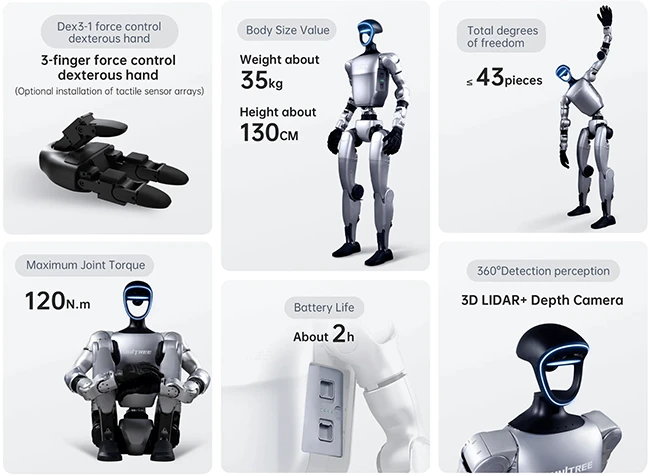
Why does this matter? As robots become more common, think about them in your home helping with chores or caring for older family members. A hack could make them do dangerous things, like hurting people or stealing info. In factories or hospitals, a group of hacked robots could stop work, cause accidents, or lead to big money losses. Experts say this shows how offline robots aren’t safe either, since wireless signals can still reach them. It’s a wake-up call for robot makers to fix these holes before bad things happen.
This isn’t just a China thing. Around the world, researchers are finding ways to trick AI-powered robots. For example, in November 2024, a team created “RoboPAIR,” an AI tool to jailbreak robots that use language models for commands. It can make them do violent acts or ignore safety rules. Another study in December 2024 showed how hackers tricked robots into dangerous behavior, pointing to wider problems in AI security. Even voice assistants like Siri and Google Assistant have been hit by ultrasonic attacks, where hidden sounds activate them without you knowing.
From a tech point of view, these hacks target the AI brains in robots. Large language models, like those in ChatGPT, help robots understand speech but can be fooled by clever inputs. Adding internet or wireless connections makes them handy but also opens doors for attacks. To fight this, companies need better safeguards, like stronger encryption for wireless signals, regular software updates, and tests where hackers try to break in on purpose.
What can be done? Robot owners should keep devices updated and use strong passwords. Makers like Unitree should patch flaws fast – they already know about the Bluetooth issue and are likely working on fixes. Governments might make rules for robot security, similar to laws for self-driving cars. And events like GEEKCon help by sharing these finds so everyone can learn.
People online are buzzing about it. On LinkedIn and Reddit, folks share worries about robot safety, with some joking it’s like the start of a robot uprising. But seriously, as AI robots grow – think Boston Dynamics’ Atlas or Tesla’s Optimus – fixing these risks is key to trust.
In the end, this demo is a reminder that cool tech comes with dangers. While robots promise to make life easier, we need to lock down their security to avoid real-world harm. Watch for updates as companies respond and researchers keep testing. If you’re thinking of buying a robot, check its security features first – it could save you from a hacked helper.






 English
  简体中文
简体中文  Čeština
  Deutsch (Sie)
  Français


