

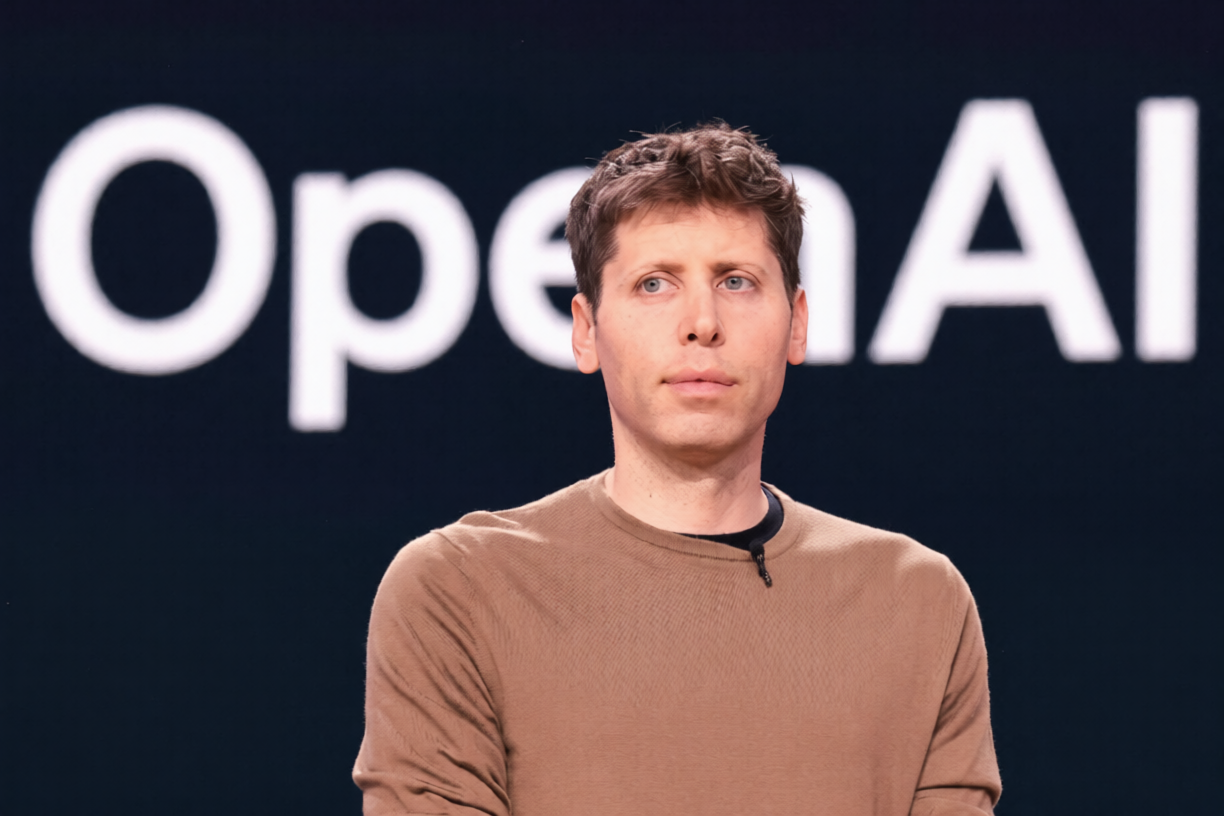

The bold OpenAI restructure signals a powerful shift in AI safety strategy. OpenAI has dissolved its mission alignment team, the internal group responsible for guiding the safe development of its AI systems, in a move that signals another major shift inside one of the world’s most influential AI companies.
According to reports, the team’s leader has been reassigned to a new role titled “chief futurist,” while the remaining members have been distributed across different departments within the company. OpenAI has not framed the change as a retreat from safety work. But the restructuring has raised fresh questions about how the company balances rapid product development with long-term responsibility.
The mission alignment team was created to focus on one core issue: ensuring that OpenAI’s increasingly powerful AI systems behave in ways that align with human values and do not cause harm. As AI models become more capable, harder to interpret, and more widely used, alignment research has been viewed as a critical safeguard.
Now, that dedicated structure is gone.
The timing matters. OpenAI is operating in one of the most competitive periods in its history. Since the launch of ChatGPT, the company has been locked in a fast-moving race with Google, Meta, Anthropic, and other AI firms. New models are being released at a rapid pace. Product updates are frequent. Enterprise partnerships are expanding.
Read also: OpenAI Looks for New Leader to Spot and Stop AI Dangers- Head of Preparedness
At the same time, OpenAI is under pressure from investors and partners to scale. Microsoft, its largest backer, has committed billions of dollars to support its AI infrastructure. Reports suggest the company is pursuing new funding that could value it at well over $100 billion. In that environment, speed often becomes a priority.
Safety work, by contrast, is designed to slow things down.
Mission alignment teams test systems, question deployment decisions, and examine edge cases. Their role is not to ship features but to ask whether those features should be released, and under what conditions. That kind of work does not always produce visible results. It is often long-term and preventative.
By redistributing the team across the organization, OpenAI may be signaling that safety is now meant to be integrated into every division rather than handled by a standalone group. In theory, that approach could encourage broader responsibility. In practice, critics argue it risks diluting focus.
When safety becomes everyone’s job, it can sometimes become no one’s priority.
The new “chief futurist” title has also drawn attention. While it suggests a forward-looking role, it does not carry the same operational authority as leading a dedicated safety team. Observers note that the change appears more strategic than technical, especially as OpenAI shifts further toward commercial growth.
Read more: OpenAI 2026 Residency: Scouting the Next Wave of AI Trailblazers
This is not the first time OpenAI’s safety structure has faced change. In previous months, the company saw departures from its superalignment team, including researchers who publicly expressed concern about the direction of AI development. Those exits added to broader industry debates about how much emphasis companies place on safety compared to product expansion.
OpenAI maintains that it remains committed to responsible AI development. The company continues to publish safety reports, implement guardrails in its products, and collaborate with policymakers. But structural decisions inside an organization often reveal priorities more clearly than public statements.
The broader industry is watching closely.
Governments in the United States and Europe are actively discussing AI regulation. Lawmakers are debating how companies should test advanced systems, disclose risks, and implement oversight. If leading AI firms reduce or restructure dedicated safety units, regulators may interpret that as a reason to push for stronger external controls.
The commercial pressure facing OpenAI is real. Competition is intense. Google’s Gemini models continue to evolve. Meta is expanding its open-source AI strategy. Startups backed by major investors are launching new systems with impressive capabilities. In this environment, the cost of moving slowly can feel high.
But the cost of moving too fast can also be significant.
Advanced AI systems are now used in education, healthcare, finance, customer service, and government workflows. Errors, misuse, or unintended behaviors can have wide-reaching consequences. Alignment research exists to anticipate those risks before they scale.
By dissolving its mission alignment team, OpenAI has entered a new phase of organizational evolution. Whether this marks a smarter integration of safety into its core operations or a shift toward speed over caution will depend on what follows.
For now, the move adds another layer of tension to the global AI race. As companies compete to build more powerful systems, the question of how those systems are governed remains unresolved.
OpenAI helped ignite the generative AI boom. Its internal decisions shape industry norms. The restructuring of its safety team is more than an internal change, it is a signal. And in a fast-moving AI landscape, signals matter.





 English
  简体中文
简体中文  Čeština
  Deutsch (Sie)
  Français


