


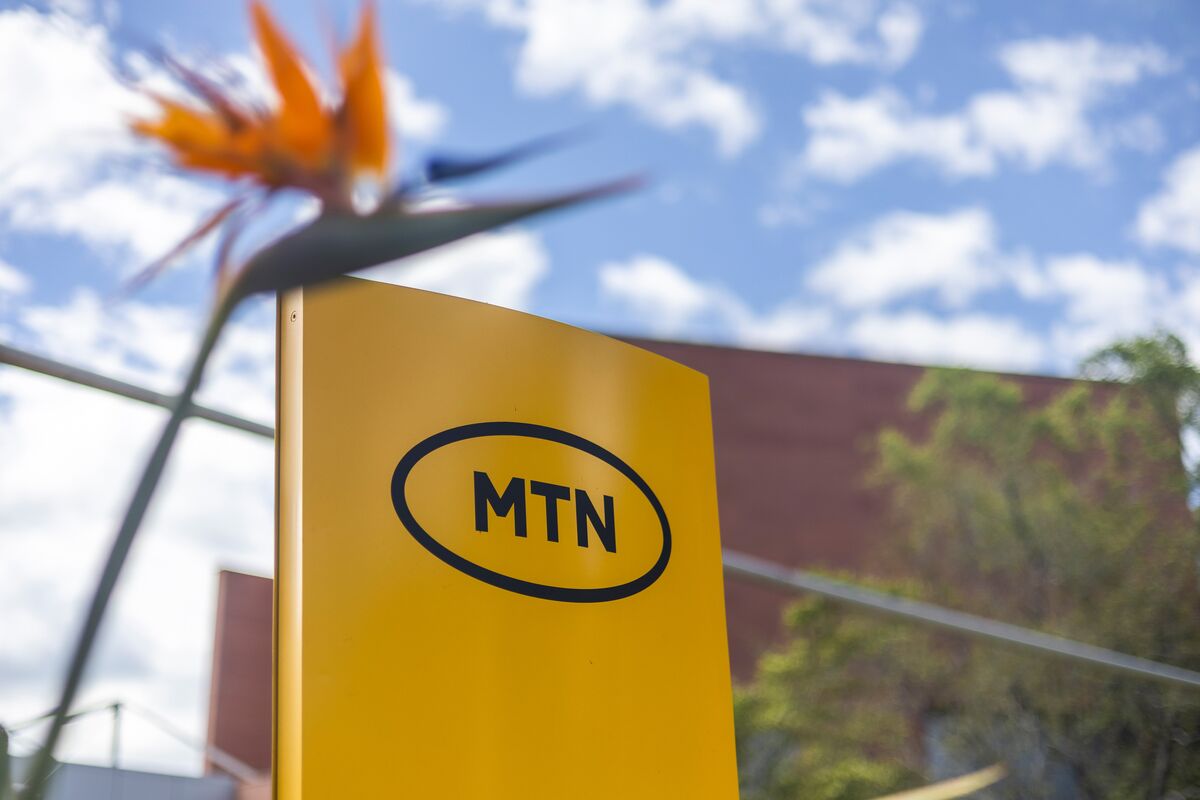

Nigeria’s recent tax overhaul is throwing a wrench into MTN Group’s strategy to trim its majority stake in its lucrative Nigerian subsidiary, forcing the South African telecom giant to shelve a long-anticipated sell-down that could have unlocked billions for local investors.
The pause, announced during MTN’s third-quarter 2025 earnings call in November and detailed in recently released transcripts, stems from Nigeria’s June 2025 tax reforms that jacked up the corporate capital gains tax (CGT) from 10% to 30%, a move aimed at closing loopholes but now deterring large equity transactions like MTN’s proposed 11% stake sale. The new regime taxes gains on share sales at a flat 30% regardless of holding period, applying to deals exceeding ₦150 million ($105,763) with gains over ₦10 million ($7,051), far outpacing CGT rates in peers like the U.S. (21%), South Africa (21.6%), and Kenya (15%).
MTN Group had eyed reducing its roughly 76% ownership in MTN Nigeria to 65% through a public offer to local buyers, building on a 2021 sale that dialed back its stake from 78.8% to 75.6% and drew over 126,000 investors, including pension funds for 6.5 million contributors. The plan hinged on MTN Nigeria clawing back to profitability after years of naira devaluation woes, a milestone hit with a ₦750.19 billion ($529 million) profit for the nine months ending September 2025, flipping a ₦514.9 billion ($363 million) loss from the prior year, and resuming dividends with an interim ₦5 per share payout, netting MTN Group about 975 million rand ($59 million) gross.
But the CGT spike has made the math unpalatable. “That has been complicated by the changes in the tax code… There have been some changes to CGT; right now, it is not something that we are pushing at. We kind of pulled back and are holding back… with the developments on the tax codes, it’s made it a bit unattractive for us to do it right now, so we’re kind of paused on that initiative, primarily driven by the changes in the tax code on capital gains,” MTN Group president and CEO Ralph Mupita said during the earnings call. Back in April 2025, Mupita had reaffirmed the intent: “The only localisation we have as MTN Group is we have a potential sell-down in Nigeria at some point in time, approximately 11%… We are prepared to sell down to 65%. We are at around 76%.”
Analysts echo the sentiment. “In MTN’s case, an 11% sell-down in MTN Nigeria is a very large transaction… Once you apply CGT at that rate, the premium becomes significant,” said Mustapha Umaru, an industry and equity research analyst at CSL Stockbrokers Limited. He added that the market remains in “wait-and-see” mode: “There is still a wait-and-see attitude in the market… People want to see how the law plays out in practice before committing fresh capital.”
Nigeria’s government, however, defends the reforms as investor-friendly in the long run. Taiwo Oyedele, chairman of the Presidential Fiscal Policy and Tax Reforms Committee, stated: “The reform makes investment in the Nigerian capital market more attractive, reduces investment risk, and ensures fair treatment of legitimate costs incurred by investors… In essence, the reform promotes equity and confidence in the market – not the reverse.” Plans are afoot to trim the rate to 25% soon, but for now, the hike has fueled market jitters, with MTN Nigeria’s shares trading at ₦573.90 as of January 12, 2026.
This snag traces back to MTN’s 2016 settlement with Nigerian authorities over unregistered SIMs, which included commitments to boost local ownership, a goal partially met in the 2021 offer but now stalled amid fiscal shifts.
MTN isn’t alone in navigating Africa’s tax turbulence; rivals like Airtel Africa have faced similar naira headwinds, while broader reforms in Nigeria aim to plug revenue gaps but risk chilling foreign investment. As MTN weighs its next move, the episode underscores the delicate balance between fiscal policy and market vitality in emerging economies, potentially reshaping how multinationals approach stake dilutions in volatile regions.


 English
  简体中文
简体中文  Čeština
  Deutsch (Sie)
  Français


