

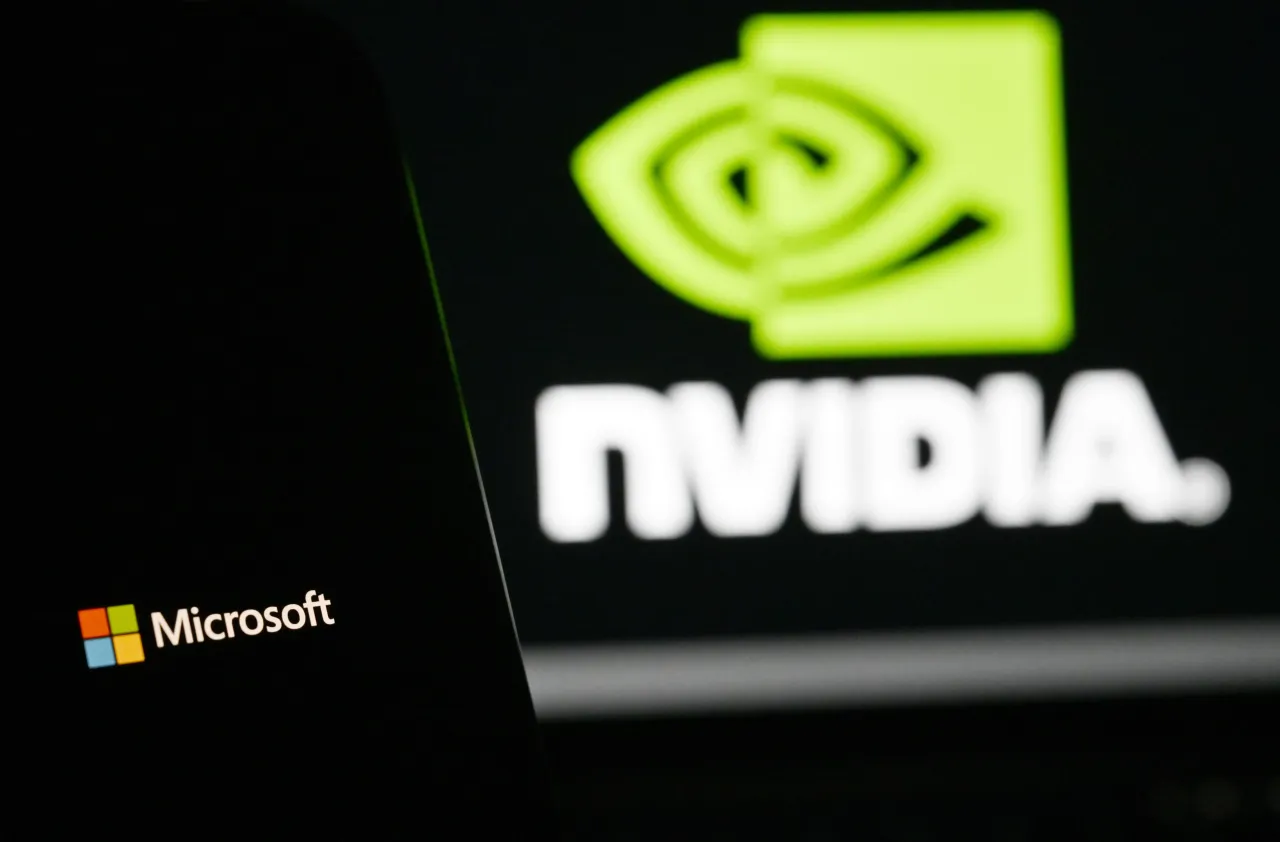

Microsoft and Nvidia announced a joint initiative on March 24, 2026, aimed at using artificial intelligence to break long-standing bottlenecks in nuclear energy development. The partnership, unveiled during an industry event in Houston, focuses on deploying AI tools to streamline permitting, design, engineering, construction, and operations of nuclear power plants, a critical step as hyperscalers scramble for reliable, carbon-free electricity to fuel surging AI data center demand.
The collaboration introduces a suite of AI-powered solutions that standardize workflows, reduce manual processes, and integrate fragmented data across the nuclear project lifecycle. Microsoft’s tools target regulatory permitting and compliance, while Nvidia contributes domain-specific AI models and accelerated computing to optimize design simulations and operational efficiency. The goal is to compress timelines that have traditionally stretched over a decade and cut costs in an industry plagued by regulatory delays and complexity.For full details on the initiative, see Microsoft’s official announcement
One early beneficiary illustrates the potential impact. Aalo Atomics, an Austin-based startup developing modular nuclear reactors tailored for data centers, reported using Microsoft’s Generative AI for Permitting solution to slash its permitting workload by 92%. The company estimates this translates into annual savings of roughly $80 million by dramatically shortening review cycles and minimizing rework.
The timing is no coincidence. Microsoft has aggressively pursued nuclear power, including a landmark deal to restart the Three Mile Island reactor in Pennsylvania to supply its data centers. With AI training and inference workloads driving explosive electricity needs, hyperscalers face a stark reality: renewable sources alone cannot deliver the constant, high-density power required. Nuclear offers a path to 24/7 clean firm power, but only if the industry can build faster and cheaper.
For Nvidia, the move extends its reach beyond chips and into the physical infrastructure layer powering the AI economy. By applying its accelerated computing and AI expertise to nuclear workflows, the company positions itself as an enabler not just of model training but of the energy systems that make large-scale AI possible.
The initiative also signals growing industry confidence that AI can tackle complex, regulated domains previously considered too risky or slow for automation. Regulators, utilities, and engineering firms are watching closely. If the tools deliver on promised efficiency gains without compromising safety or compliance standards, they could help unlock a new wave of nuclear projects needed to meet projected global demand for AI infrastructure.
Challenges remain. Nuclear development involves stringent safety requirements, public acceptance issues, and supply chain constraints that no amount of AI can instantly resolve. Yet by attacking the administrative and design bottlenecks, Microsoft and Nvidia are addressing one of the most stubborn friction points in the sector.
For the broader tech ecosystem, the announcement underscores how deeply the AI boom is reshaping energy strategy. What began as a search for more GPUs has evolved into a full-stack pursuit that now includes restarting dormant reactors and re-engineering the nuclear build process itself.
One startup already seeing eight-figure annual savings suggests the approach has real near-term traction. Whether it scales across the industry will depend on how quickly regulators, operators, and other players adopt these AI-assisted workflows. For now, Microsoft and Nvidia have drawn a clear line: powering the next era of AI will require not just smarter chips, but smarter ways to build the power plants that run them.






 English
  简体中文
简体中文  Čeština
  Deutsch (Sie)
  Français


