



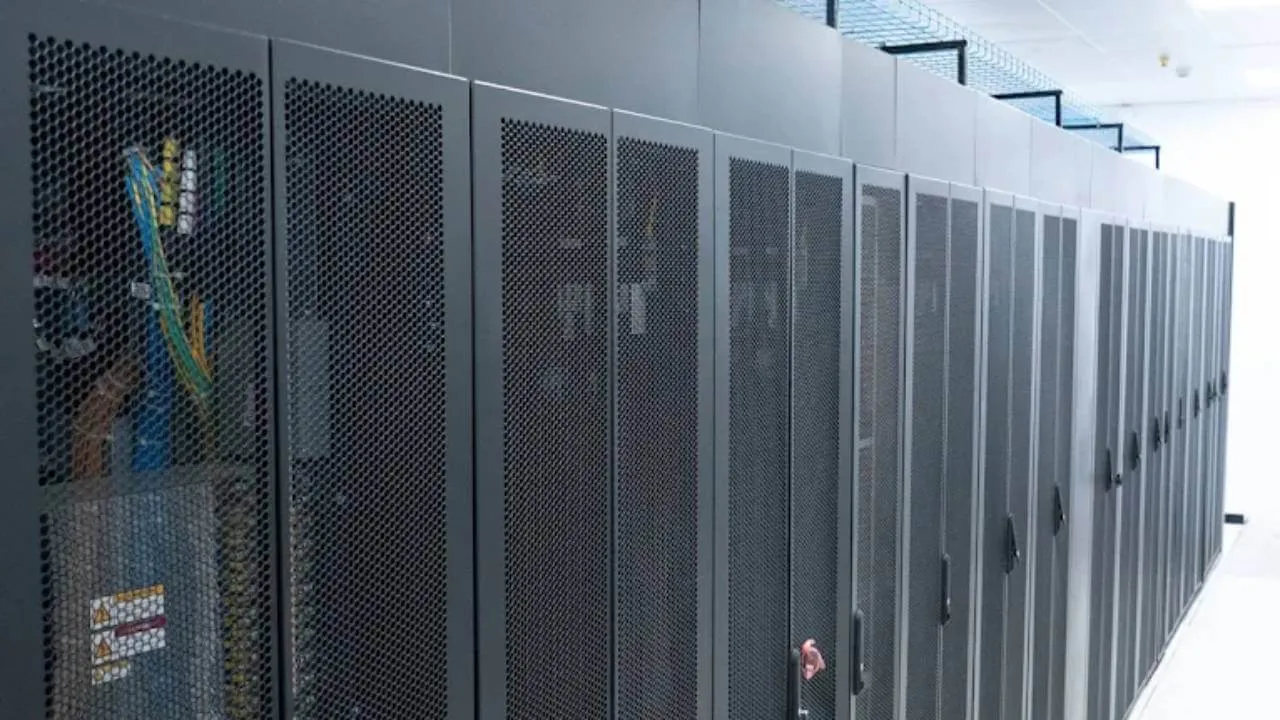

Mali has taken a decisive step in reshaping its digital future. On Saturday, January 31, the government officially inaugurated a Tier III data center in Bamako, a project authorities describe as critical to national security, digital sovereignty, and state modernization. The launch took place during the third edition of Mali Digital Week and signals a broader regional push across the Sahel to keep sensitive data closer to home.
For years, much of Mali’s public data from government platforms to administrative records has been hosted outside the country. That dependence created vulnerabilities: exposure to foreign jurisdictions, higher costs, slower services, and limited control over how national data is stored and protected. The new facility is meant to change that equation.

“This achievement marks a decisive step toward safeguarding national data and ensuring our digital sovereignty and technological independence,” said Alhamdou Ag Ilyène, Mali’s Minister of Communication, Digital Economy and Administrative Modernization, at the inauguration.
Built to Tier III international standards, the Bamako data center offers a service availability rate of 99.982%. In practical terms, that means systems remain online even during maintenance or equipment failures. The facility is designed with full redundancy for power, cooling, and critical infrastructure, allowing it to host sensitive government platforms without interruption. Officials say it will support e-government services, strategic state databases, and eventually digital services for the private sector.
But the project is about more than uptime and server racks. It reflects a deliberate political and strategic choice to reduce reliance on foreign cloud providers and external digital infrastructure. According to government officials, Mali plans to gradually repatriate data currently hosted abroad, particularly platforms developed under public service digitization programs. Keeping that data inside national borders is expected to improve security, boost system performance, and strengthen regulatory oversight.
Read also: Benin’s Digital ID Breakthrough Is Redefining E-Government in Africa
Across the Sahel, digital sovereignty has become a shared priority. In recent weeks, Burkina Faso has inaugurated new digital infrastructure of its own, while Niger has announced plans to acquire high-capacity data centers. Together, these moves point to a coordinated regional effort within the Alliance of Sahel States (AES) to build a more autonomous digital backbone.
For governments in the region, control over data is increasingly seen as inseparable from political and economic sovereignty. As public services move online and states rely more heavily on digital systems for administration, security, and service delivery, hosting that infrastructure abroad carries risks. Local data centers offer not only technical control, but also leverage in setting rules around data protection, access, and use.
Still, infrastructure alone will not guarantee digital independence. Even with modern facilities, Sahelian countries remain heavily dependent on foreign technologies, software, and service providers. Core operating systems, cloud platforms, cybersecurity tools, and much of the underlying hardware are still supplied by global firms. Closing that gap will require investment in local skills, stronger cybersecurity frameworks, and support for homegrown technology companies.
Cybersecurity remains a particularly pressing challenge. Hosting data locally increases responsibility for protecting it. Without strong defenses and trained professionals, data centers can become high-value targets. Authorities acknowledge that building capacity in cybersecurity and digital operations will be just as important as the physical infrastructure itself.
There are also economic considerations. A modern data center can help stimulate local innovation by giving startups, banks, and institutions access to reliable hosting services inside the country. Over time, officials believe this could reduce costs, improve service delivery, and make Mali more attractive for digital investment. It could also support regional integration by enabling shared platforms and services across AES member states.
For citizens, the most visible impact is likely to come through faster and more reliable digital public services. From civil registration to tax systems and online administrative procedures, hosting platforms locally can reduce delays and improve user experience. Authorities see the data center as a foundation for accelerating e-government and modernizing how the state interacts with citizens and businesses.
Mali’s new Tier III data center does not solve all of the country’s digital challenges. But it marks a clear shift in direction. In a region where data has long flowed outward, the decision to build and host critical infrastructure at home sends a strong signal. As Sahelian states navigate security pressures, economic constraints, and rapid digital change, control over data is becoming a central pillar of national strategy.
For Mali, the message is straightforward: digital sovereignty is no longer an abstract concept. It is being built, server by server, on home soil.


 English
  简体中文
简体中文  Čeština
  Deutsch (Sie)
  Français


