



A stunning Google AI Breakthrough to transform India’s cultural legacy forever. Google is taking artificial intelligence beyond chatbots and into India’s cultural roots.
Ahead of the India AI Summit, Google Arts & Culture has launched three new AI-powered heritage experiences designed to make Indian history, language, and landmarks more interactive. The tools focus on Sanskrit, cultural storytelling, and digital exploration, signaling a broader push to apply AI to preservation and education, not just productivity.
The three experiences are called Moving Scripts: Sanskrit Devanagari Edition, Talking Tours India, and Sanskrit Lens. Each tool approaches Indian heritage from a different angle.
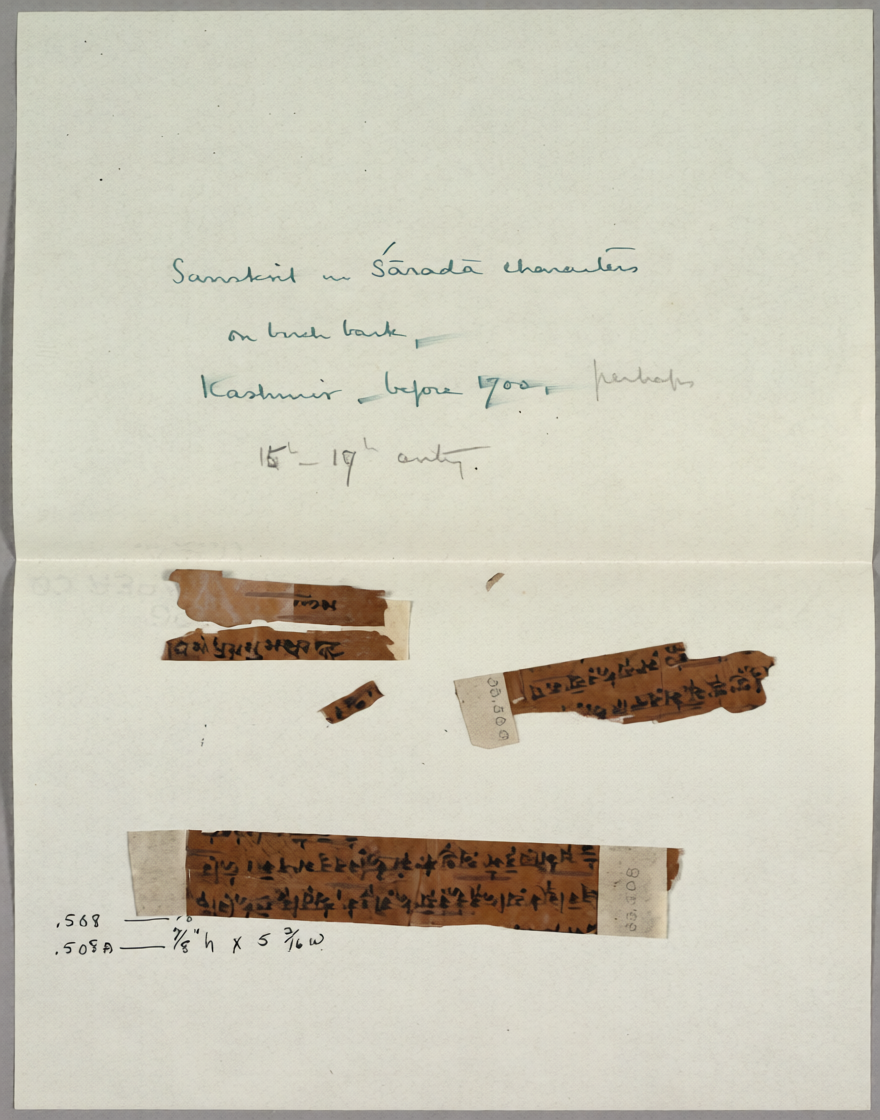
Moving Scripts: Sanskrit Devanagari Edition allows users to explore Sanskrit letters with the help of Google AI. The experience brings the Devanagari script to life, helping users better understand how ancient characters are formed and written. Instead of viewing static letters on a page, users interact with them in motion, guided by artificial intelligence.
Talking Tours India is described as an AI audio experiment. It offers guided storytelling across Indian cultural landmarks, blending historical context with immersive narration. The idea is simple: use AI to make exploring heritage sites more engaging, even for users who may never visit them physically.
The third experience, Sanskrit Lens, expands beyond language. It introduces users to the broader arts, ideas, and philosophies connected to Sanskrit. Rather than treating Sanskrit as only a classical language, the tool presents it as a cultural gateway into literature, art, and knowledge systems that shaped Indian civilization.
Read also: Google pulls the plug on ‘dark web report’: No more creepy scans starting February
The launch comes at a strategic moment when India is rapidly building its AI ecosystem. The government has publicly backed digital innovation and artificial intelligence development, positioning the country as a future global AI hub. With the India AI Summit drawing attention to the country’s ambitions, Google’s announcement aligns neatly with national momentum around technology and digital transformation.
But this move is not only about timing. India represents one of the world’s largest and fastest-growing digital populations. Internet penetration continues to expand, smartphone usage is widespread, and demand for localized content is rising. For global tech companies, India is both a massive consumer market and a critical testing ground for AI products built outside Western contexts.
By focusing on cultural heritage, Google is taking a softer and more localized approach, instead of launching enterprise AI tools or business automation features, the company is showcasing AI as a tool for education, preservation, and access. That matters in a country where conversations around digital sovereignty, data control, and cultural identity are increasingly important.
Google Arts & Culture has long served as a quiet experimentation platform for AI. In the past, it has used machine learning to digitize museum collections, match selfies to historical artworks, and reconstruct damaged heritage sites. Applying similar technology to India’s diverse cultural landscape offers a natural extension.
India’s heritage spans thousands of years, dozens of languages, and countless artistic traditions. Preserving and presenting that complexity is not easy. Many physical sites face challenges ranging from environmental damage to limited public access. Digital tools can help bridge those gaps.
Read more: Uber Pilots In-App Video Recording for Drivers Across India
AI-driven storytelling and visualization may also make cultural education more appealing to younger audiences. Interactive formats can turn ancient scripts and classical knowledge into experiences that feel modern and accessible.
At the same time, the move highlights Google’s broader AI strategy. Major tech companies are under pressure to demonstrate real-world uses for artificial intelligence beyond text generation and automation. Consumers and regulators alike are watching how AI integrates into daily life. Cultural preservation provides a less controversial entry point compared to areas like employment automation or surveillance.
It also helps build trust. Deploying AI in a way that celebrates local history and identity can strengthen relationships with governments and communities. In emerging markets, that trust can be just as valuable as market share.
Competition in India’s AI landscape is intensifying. Microsoft, Meta, and local startups are investing heavily in language models and region-specific AI solutions. Many are focusing on multilingual capabilities to serve India’s linguistic diversity. Google’s heritage-focused tools give it differentiation, even if the long-term commercial impact remains unclear.
What will determine success is adoption. If students, educators, and cultural institutions actively use these tools, they could become a model for how AI supports heritage preservation globally. If they remain niche experiments, they may serve primarily as proof-of-concept demonstrations.
Still, the direction is clear. Google is positioning artificial intelligence not just as a productivity engine, but as a cultural bridge. By combining AI with India’s heritage ahead of a major national AI event, the company is aligning itself with both innovation and tradition. In the global race to define AI’s purpose, that balance could matter.






 English
  简体中文
简体中文  Čeština
  Deutsch (Sie)
  Français


