


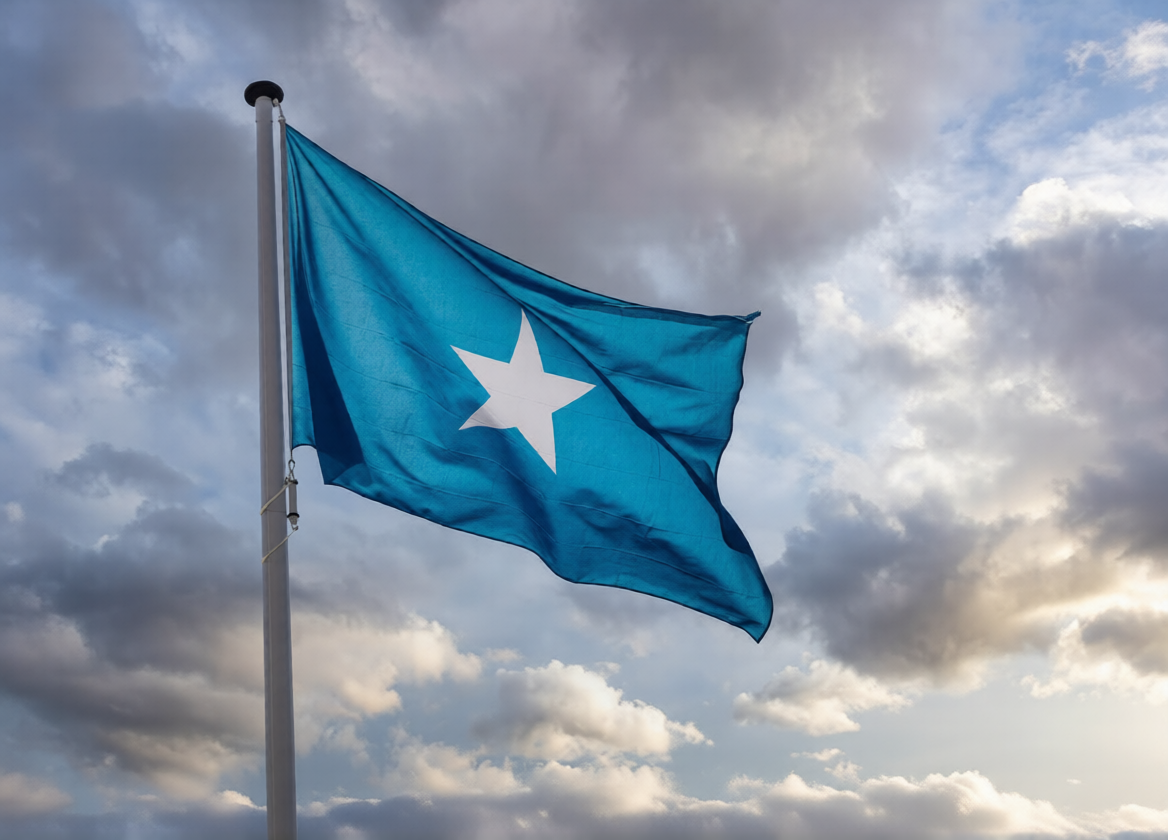

Somalia and the EU have signed a new $35 million funding deal, a move that underlines how critical foreign support has become for the country’s growth and stability.
The agreement, worth €30 million (about $35.5 million), is aimed at strengthening governance, boosting economic resilience, and supporting long-term development. The European Union announced the deal on Sunday, February 1, 2026, through its delegation in Somalia.
This funding is part of a much larger package. In total, Somalia and the EU signed four financing agreements worth €102 million on January 30. Together, they target education, migration management, and community development, with a strong focus on infrastructure and livelihoods. The programs fall under the EU’s Global Gateway initiative, which seeks to expand Europe’s development footprint through large-scale public investments.
Read also: Somalia Passes Cybersecurity Law as Digital Risks Catch Up With the State
For Somalia, the timing matters. After decades of conflict that weakened state institutions and basic services, the country still depends heavily on international partners to fund education, healthcare, and public administration. While security has improved in parts of the country, economic pressure is rising again.
The International Monetary Fund expects Somalia’s economic growth to slow to 3% in 2025, down from 4.1% in 2024. According to the IMF, the slowdown is driven by reduced international aid and repeated climate shocks, including droughts and floods that continue to hurt agriculture and food security.
That makes programs focused on resilience more than just policy language. EU officials say the new funding is designed to help Somalia cope with these pressures by strengthening institutions and supporting communities directly. Education programs aim to keep young people in school and improve skills. Migration-related funding targets better management systems and local opportunities that reduce forced displacement. Infrastructure and livelihood projects are meant to create jobs and stabilize vulnerable regions.
But money alone is not enough. The World Bank has repeatedly said Somalia needs deep reforms to unlock lasting growth. Stronger public finance management, better tax systems, and support for the private sector are key priorities. Without these reforms, aid risks filling short-term gaps without building long-term capacity.
The Bank argues that improving how public money is raised and spent would give Somalia more room to invest in people and infrastructure, especially roads, energy, and basic services. These investments, it says, are essential for job creation and poverty reduction in a country where most people are under 30.
For European partners, the deal also reflects a broader strategy. As global competition for influence grows, the EU is positioning itself as a long-term development partner in fragile states, offering grants and infrastructure support rather than loans.
For Somalia, the challenge is clear: turn external funding into lasting progress. If reforms move forward and projects deliver real impact on the ground, the €30 million agreement could help stabilize a fragile economy. If not, it risks becoming another lifeline that keeps the system afloat—but does not change its course.
Either way, the deal highlights a central reality: Somalia’s path to growth still runs through international partnerships, even as pressure builds to stand more firmly on its own.


 English
  简体中文
简体中文  Čeština
  Deutsch (Sie)
  Français


