



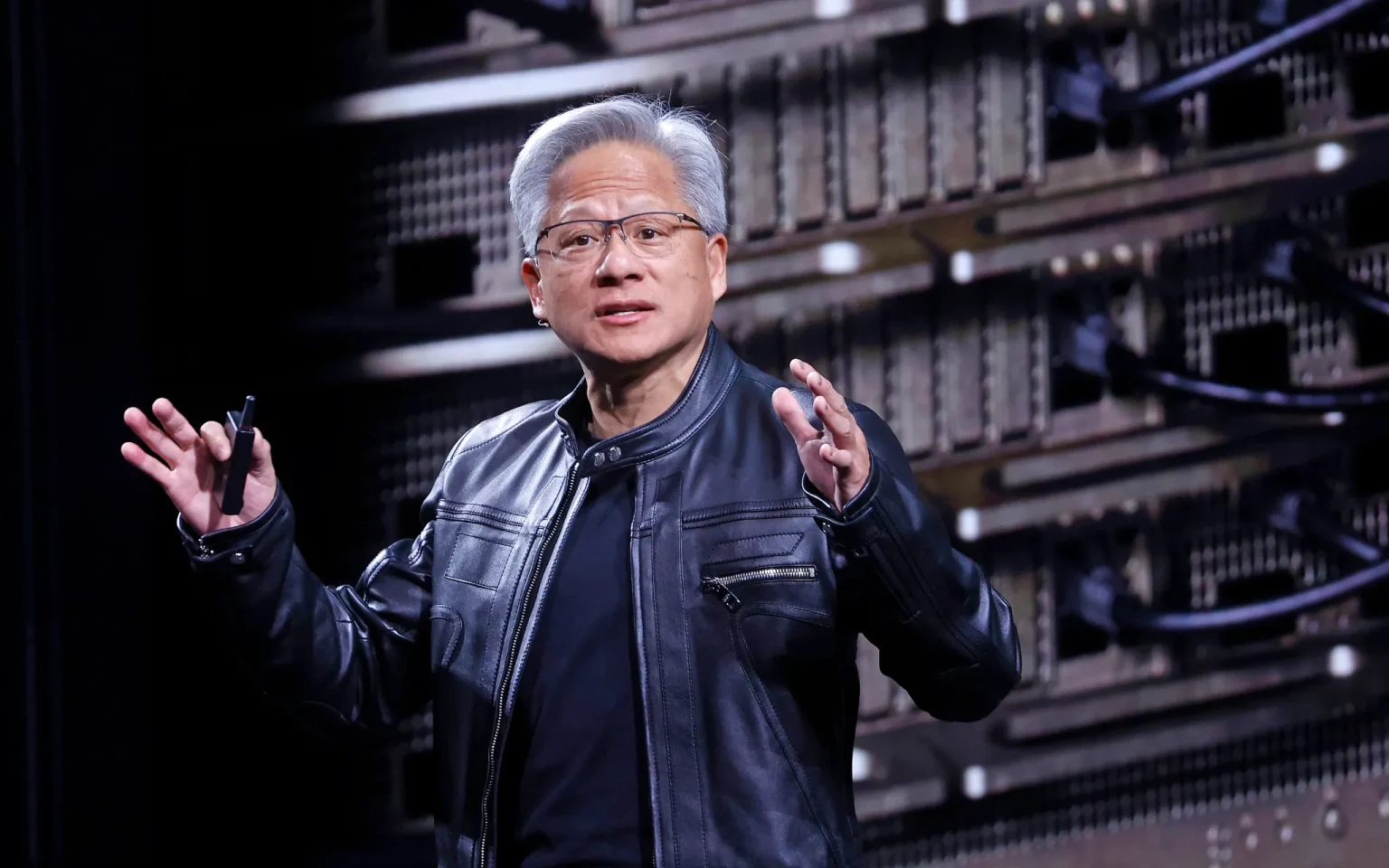

In a major policy shift with global tech implications, the U.S. Department of Commerce has approved the export of Nvidia’s advanced H200 AI chips to China. The move, initially reported by Semafor, marks a significant break from months of tightening semiconductor restrictions and signals a renewed strategic approach in the U.S.–China tech landscape.
Officials confirmed that Nvidia will now be allowed to ship the H200 chips to approved and vetted commercial customers in China. However, the U.S. government will claim a 25% cut from all sales, adding a revenue-sharing requirement designed to maintain economic oversight while still enabling American companies to participate in the competitive AI market.
Also Read: Nvidia Launches DGX Spark: A Desktop AI Supercomputer That Delivers Petaflop Power
According to the report, Nvidia may only export H200 chip versions that are about 18 months old. Despite being older, these chips far outperform the H20 units originally crafted for the Chinese market due to previous export restrictions.
Nvidia publicly welcomed the decision. A spokesperson told TechCrunch that the company “applauds President Trump’s decision to allow America’s chip industry to compete.” The statement highlighted the administration’s role in supporting high-paying U.S. manufacturing jobs while balancing national security considerations.
The decision comes just a week after Commerce Secretary Howard Lutnick confirmed that the matter rested solely with President Donald Trump. And while the administration has moved forward, the approval clashes directly with Congressional concerns about national security.
On December 4, Senators Pete Ricketts (R-Nebraska) and Chris Coons (D-Delaware) introduced the SAFE Chips Act, which would block advanced AI chip exports to China for 30 months. If passed, the bill would require the Department of Commerce to deny any export license involving high-end AI chips destined for China.
Lawmakers across party lines have long warned about the risks of sending cutting-edge chip technology to Beijing. Still, President Trump’s stance has remained fluid. Earlier this year, his administration imposed licensing requirements on chipmakers before later overturning a Biden-era rule designed to regulate AI chip exports.
By mid-year, the U.S. government signaled that companies could resume shipments to China if Washington received a 15% revenue share. As trade negotiations intensified, AI chips became a key bargaining lever in talks with Beijing.
However, the Chinese market had already shifted. In September, China’s Cyberspace Administration banned domestic companies from purchasing Nvidia chips, forcing them to rely on lower-tier alternatives from Huawei and Alibaba.
Despite this, Monday’s update from President Trump suggested progress. He stated on Truth Social that Chinese President Xi Jinping “responded positively” to the latest decision on the H200 exports.
The confirmation, finalized on December 8, marks a pivotal moment in U.S. semiconductor policy, one that is likely to spark new debates in Washington and shift dynamics in the global AI industry.

 English
  简体中文
简体中文  Čeština
  Deutsch (Sie)
  Français


