

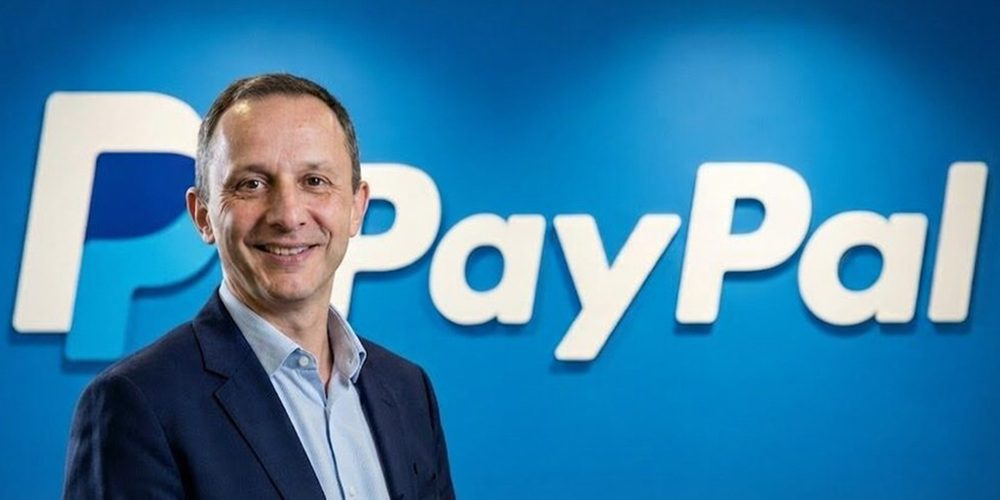
PayPal has frozen funds and restricted or permanently blocked numerous accounts belonging to Kenyan users as part of a major crackdown on compliance and anti-money laundering requirements.
The move, which gained widespread attention in the first week of June 2026, has affected freelancers, online sellers, content creators, small business owners, and individuals receiving international payments. Many users report being unable to withdraw or transfer their money after failing to meet the company’s enhanced verification demands.
What PayPal Is Requiring
Affected users are being asked to submit several documents, including:
- Proof of employment or work contracts
- Recent bank statements
- Proof of physical residential address (such as utility bills)
Accounts that do not comply within the given timeframe face a minimum 180-day (six-month) hold on funds. Those remaining non-compliant risk permanent deactivation, with PayPal stating that funds may not be returned to the original senders in such cases.
The stricter checks are widely attributed to Kenya’s continued presence on the Financial Action Task Force (FATF) grey list, which flags countries with strategic deficiencies in combating money laundering and terrorist financing. This has prompted global financial platforms like PayPal to intensify due diligence on transactions involving Kenyan accounts.

The restrictions have caused significant hardship for many Kenyans who rely on PayPal as a primary channel for receiving payments from international clients. Freelancers in writing, design, programming, and digital services, as well as small online traders and fundraisers, have been hit particularly hard.
Some users have reported losing access to hundreds or even thousands of dollars earned from legitimate work, with limited immediate recourse from PayPal support.
The situation has sparked widespread frustration on social media, with many Kenyans calling on PayPal for clearer communication and more flexible verification processes that consider local realities, such as informal employment and address systems based on landmarks rather than formal street addresses.
In response, alternatives such as Wise, Payoneer, and local payment solutions have seen increased interest. Some affected users are actively exploring ways to migrate their international payment flows to other platforms.
PayPal has not issued an official public statement specifically addressing the Kenyan situation, but the actions align with its global policy of tightening compliance amid heightened regulatory scrutiny.
As Kenya works toward exiting the FATF grey list with expectations of possible delisting later in 2026 such compliance pressures may ease. In the meantime, many Kenyan digital workers are urging PayPal to adopt more context-aware verification processes for the African market.