


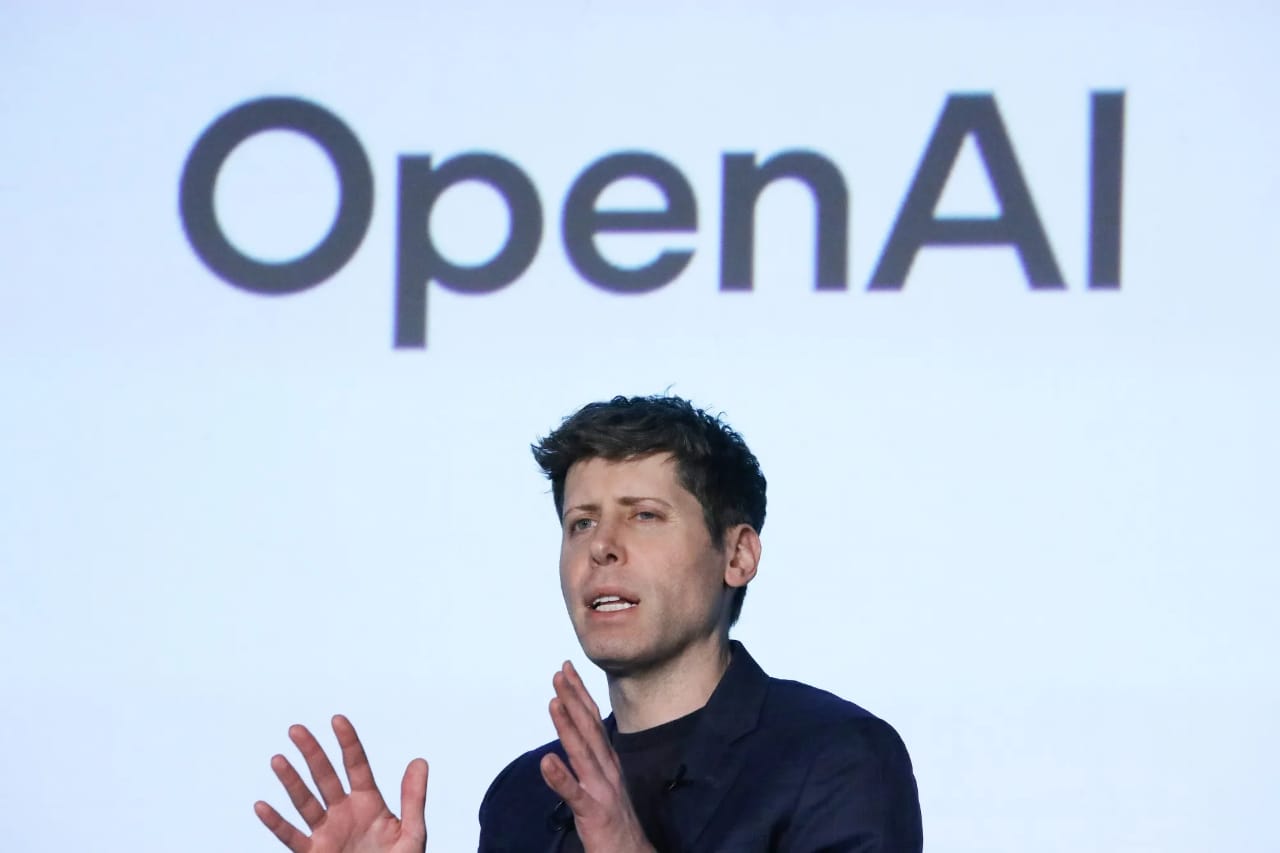

In a candid admission that underscores the fraught intersection of AI innovation and national security, OpenAI CEO Sam Altman acknowledged over the weekend that his company’s freshly inked deal with the Pentagon was “definitely rushed,” and that “the optics don’t look good.” The agreement, announced late Friday, February 27, 2026, allows the San Francisco-based AI powerhouse to deploy its advanced models within the Department of Defense’s classified networks, now rebranded as the Department of War under the Trump administration. Coming just hours after President Donald Trump ordered all federal agencies to phase out technology from rival Anthropic, citing it as a supply-chain risk, OpenAI’s move has ignited debates about ethical guardrails, corporate competition, and the U.S. government’s leverage over the AI sector.
The backstory here is as tense as it is timely. For months, the Pentagon had been negotiating with Anthropic, an AI safety-focused startup backed by Amazon and valued at over $40 billion, for access to its models in classified environments. Those talks collapsed when Anthropic insisted on strict prohibitions against using its technology for fully autonomous weapons or mass surveillance of U.S. citizens, red lines the company described as non-negotiable. Anthropic’s leadership, including CEO Dario Amodei, argued that such uses could lead to catastrophic risks, and they were unwilling to compromise even as the Pentagon pushed for broader “lawful purposes” language in the contract. The impasse culminated in Defense Secretary Pete Hegseth designating Anthropic a supply-chain risk on February 27, followed by Trump’s executive order mandating a six-month transition away from its tools across government agencies. This came amid heightened U.S. military operations, including strikes in the Middle East where AI systems, possibly including Anthropic’s, were reportedly employed just hours before the ban.
Enter OpenAI, which had previously shied away from classified military work while engaging in non-classified discussions with the Pentagon for several months. Altman, in a lengthy post on X (formerly Twitter) announcing the deal, emphasized that OpenAI shares Anthropic’s core concerns: no domestic mass surveillance, no directing autonomous weapons, and no high-stakes automated decisions without human oversight, such as social credit systems. Yet, OpenAI managed to bridge the gap where Anthropic could not. In a follow-up blog post published Saturday, February 28, the company detailed what it claims are the most robust safeguards in any such AI-military pact to date.
At the heart of the agreement is a “layered” safety approach, as OpenAI describes it, which goes beyond mere contractual language to include technical, operational, and human elements. Deployments will be cloud-only, meaning OpenAI’s models won’t run on edge devices like drones or aircraft, reducing the risk of integration into autonomous lethal systems. The company retains full control over its “safety stack”, a suite of classifiers and verifiers that enforce red lines independently of Pentagon directives. Cleared OpenAI personnel, including engineers and safety researchers, will be embedded in the process to monitor and intervene if needed. The contract itself incorporates references to existing U.S. laws and policies, such as DoD Directive 3000.09 on autonomous systems, the Fourth Amendment protections against unwarranted surveillance, and the Posse Comitatus Act limiting domestic military involvement in law enforcement. Key language states: “The AI System will not be used to independently direct autonomous weapons in any case where law, regulation, or Department policy requires human control, nor will it be used to assume other high-stakes decisions that require approval by a human decisionmaker under the same authorities.” OpenAI insists this setup provides “more guardrails than any previous agreement for classified AI deployments, including Anthropic’s.”
Altman elaborated in an impromptu AMA on X Saturday night, fielding questions from skeptics and supporters alike. He explained the rush as an effort to “de-escalate” the escalating conflict between the government and AI labs, noting that OpenAI had turned down earlier classified deals that Anthropic accepted. “We really wanted to de-escalate things, and we thought the deal on offer was good,” he wrote, adding that a healthy relationship between AI companies and the government is “critical over the next couple of years.” Addressing why OpenAI succeeded where Anthropic faltered, Altman speculated that his company favored a “layered approach to safety” over rigid contractual prohibitions, trusting technical safeguards more than policy alone. He also denied any threats from the Pentagon, describing officials as “genuinely surprised” by OpenAI’s willingness to engage.
Critics, however, aren’t convinced. Peter Wildeford, a prominent AI forecaster, pressed Altman on potential conflicts between the contract’s “all lawful purposes” clause and OpenAI’s red lines, questioning whether the safety stack could block legal but objectionable uses without breaching the deal. Altman responded that OpenAI would design the system to align with U.S. laws while leveraging its expertise to mitigate risks, but he stopped short of guaranteeing overrides in edge cases. Others, like Nicholas Decker, probed hypotheticals: What if the government deemed mass surveillance legal? Altman was unequivocal: “We would not do that, because it violates the constitution.” He even floated quitting if a constitutional amendment enabled it, underscoring his discomfort with AI firms wielding more power than elected officials.
Anthropic, for its part, has remained measured in response. In a statement following the ban, the company said it had “tried in good faith” to negotiate but prioritized safety principles. OpenAI’s blog post expresses hope for reconciliation, urging the Pentagon to extend identical terms to all AI companies, including Anthropic, to foster “broad collaboration.” Altman echoed this, criticizing the supply-chain risk label as “a very bad decision” and calling for its reversal, even if it meant backlash for OpenAI.
This episode highlights deeper fissures in the AI landscape. OpenAI, once criticized for its own ethical lapses, like the 2023 boardroom drama that briefly ousted Altman, now positions itself as a pragmatic bridge between innovation and defense needs. Yet the deal revives longstanding concerns about AI’s militarization, echoing debates from Google’s Project Maven in 2018, where employee protests led to the company’s withdrawal from a Pentagon drone AI contract. Here, the stakes are higher: As adversaries like China accelerate AI integration into their militaries, the U.S. risks falling behind without domestic partnerships. Altman captured this tension bluntly: The industry warns the government of AI’s geopolitical importance, then refuses to help, labeling them “kind of evil.”
Broader implications ripple outward. For the AI sector, this could set a precedent for how companies navigate government pressure, opt for layered safeguards and cooperation, or risk bans and isolation like Anthropic. Ethically, it tests the limits of “alignment” rhetoric: Can technical stacks truly enforce moral boundaries in classified settings? And politically, under a Trump administration emphasizing military strength, it signals that AI firms may face increasing demands to align with national security priorities, potentially at the cost of global perceptions.
OpenAI’s pivot isn’t without internal rationale. The company, facing mounting competition from players like Google and Meta, sees military contracts as a path to scale and influence. But as Altman fielded questions late into the night, one theme emerged: In a world where AI could redefine power dynamics, uneasy alliances may be the price of progress. Whether this deal de-escalates or enflames industry-government relations remains an open question, but it’s clear the Pentagon’s AI ambitions won’t wait for consensus.

 English
  简体中文
简体中文  Čeština
  Deutsch (Sie)
  Français


