



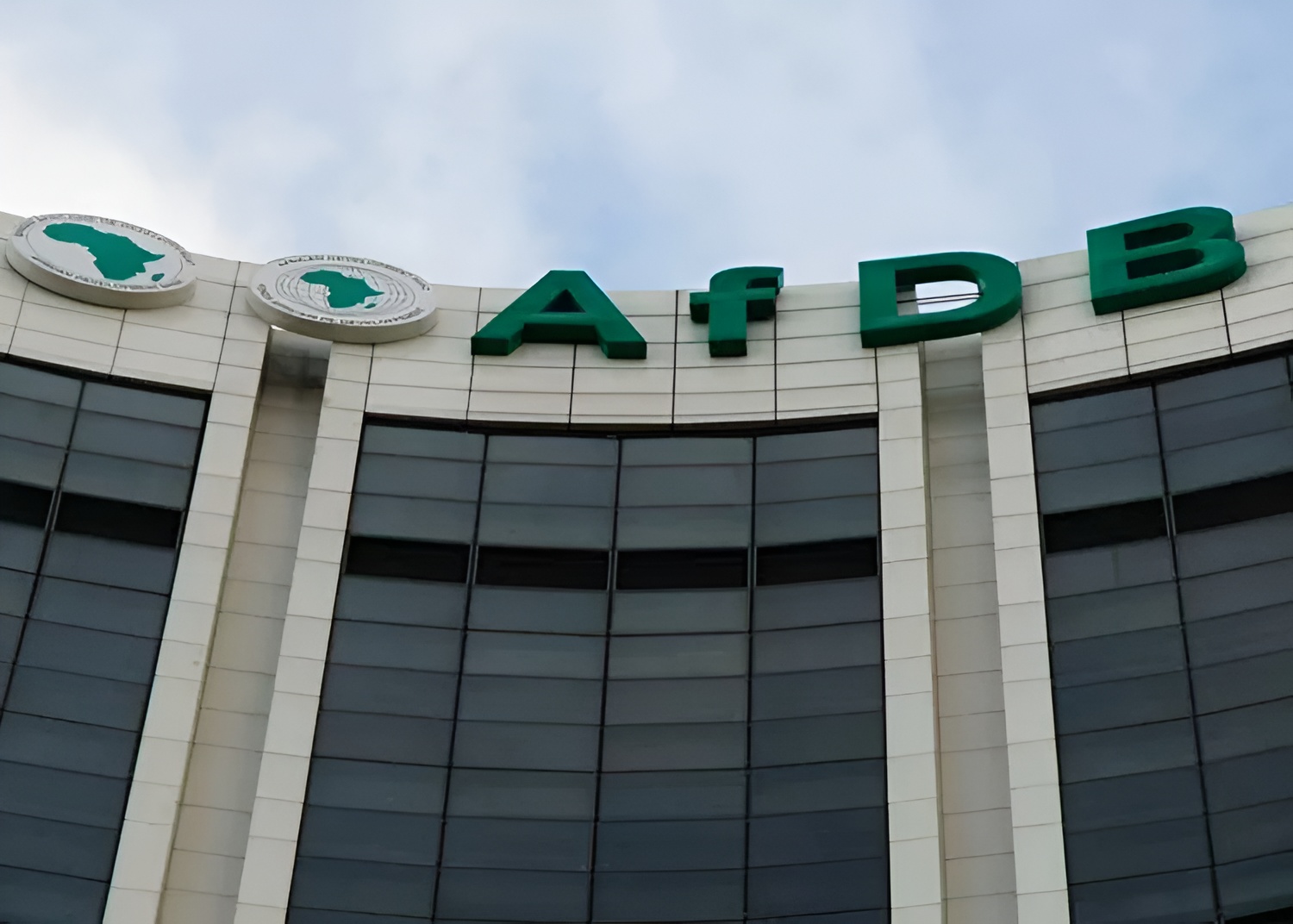

Nigeria’s ambitious plan to dramatically expand its national digital infrastructure received a major boost last week when the Board of the African Development Bank Group (AfDB) approved a $200 million loan for Project BRIDGE, also known as the Digital Value Chain Infrastructure for Boosting Employment (D-VIBE) programme.
The financing forms part of an $800 million sovereign-backed package that includes $500 million from the World Bank Group and $100 million from the European Bank for Reconstruction and Development (EBRD). When combined with expected private sector participation, the total project value is targeted at around $2 billion, making it one of the largest single fibre optic investments in any developing country.
Project BRIDGE aims to add approximately 90,000 kilometres of open-access fibre optic cable to Nigeria’s existing backbone, expanding it from roughly 30,000–35,000 km today to about 120,000–125,000 km. The network will connect all 774 local government areas across the country, bringing high-speed, resilient broadband to currently underserved and unserved communities, schools, hospitals, and public institutions.
The initiative is structured as a public-private partnership through a Special Purpose Vehicle (SPV), with public ownership capped at 25–49% and the private sector taking the majority stake. This model is intended to address key rollout challenges, including high construction costs and right-of-way issues, while encouraging efficiency and innovation from private operators.
The AfDB’s approval signals strong institutional confidence in Nigeria’s digital transformation agenda. Minister of Communications, Innovation and Digital Economy, Dr. Bosun Tijani, welcomed the development, describing it as further validation that global institutions are choosing to invest alongside Nigeria as the country builds its own foundational infrastructure.
Beyond physical fibre deployment, Project BRIDGE includes components focused on digital skills development and job creation. By improving broadband access, the project is expected to unlock opportunities in education, healthcare, agriculture, fintech, and e-commerce, particularly in rural and semi-urban areas where connectivity gaps have long limited economic participation.
Nigeria currently faces one of the largest connectivity divides on the continent. While urban centres enjoy relatively better access, vast parts of the country still suffer from limited or unreliable internet. The government has set a national target of 70% broadband penetration by 2030, and Project BRIDGE is positioned as a critical enabler to help achieve that goal.
The timing of the AfDB approval is notable. It comes as Nigeria continues to push its broader digital economy strategy under the Renewed Hope Agenda. Improved connectivity is seen as essential not only for social inclusion but also for attracting investment in emerging sectors such as artificial intelligence, data centres, and digital services.
For the AfDB, the investment aligns with its mandate to support inclusive growth and regional integration across Africa. The bank has increasingly prioritised digital infrastructure as a foundation for economic resilience, job creation, and youth empowerment on the continent.
Challenges remain significant. Nigeria’s terrain, security issues in certain regions, and the high cost of last-mile connectivity mean that even with a strong backbone, universal access will require sustained effort and additional investment. Right-of-way approvals across states and local governments have historically slowed similar projects, though officials have expressed confidence that the PPP structure and strong federal backing will help mitigate delays.
If successfully executed, Project BRIDGE could fundamentally reshape Nigeria’s digital landscape. Faster, more affordable internet has the potential to boost productivity across multiple sectors, reduce the urban-rural divide, and position Nigeria as a more competitive player in the global digital economy.
The AfDB’s $200 million commitment brings the secured sovereign financing closer to its target and strengthens the coalition of international partners backing the vision. As implementation moves from planning to physical deployment, attention will turn to execution speed, private sector mobilisation, and ensuring that the expanded fibre network translates into tangible benefits for ordinary Nigerians.
For a country often criticised for lagging in infrastructure development, Project BRIDGE represents a rare large-scale, forward-looking bet on digital foundations. With major multilateral institutions now aligned behind it, Nigeria is signalling that it is no longer waiting for the world to connect it, it is actively building the infrastructure that will allow millions more citizens to participate meaningfully in the digital age. The coming years will test whether this ambition can be matched by effective delivery on the ground.

 English
  简体中文
简体中文  Čeština
  Deutsch (Sie)
  Français


