

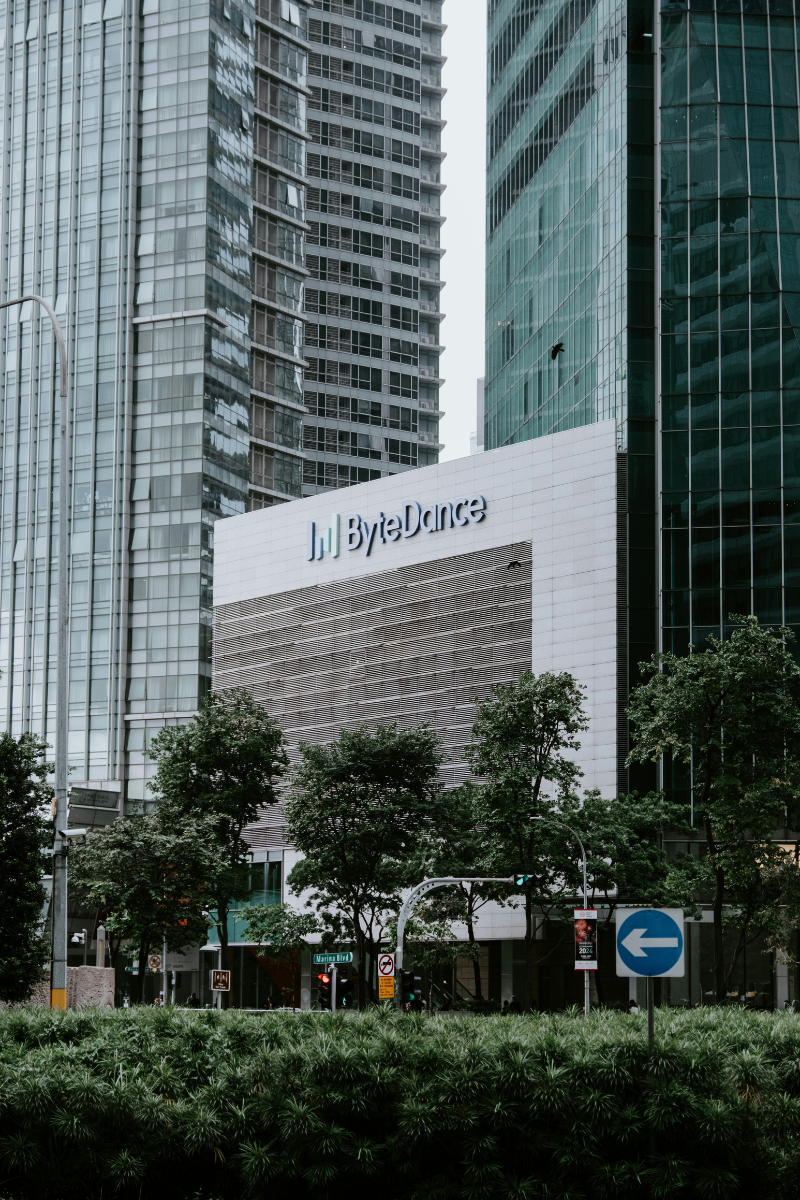

Growing copyright fury forces powerful ByteDance AI compliance move. ByteDance has moved to contain a growing copyright battle with Hollywood, confirming it will strengthen safeguards around its new AI video generator, Seedance 2.0, after a wave of legal warnings from major U.S. studios.
The Chinese technology giant, best known as the parent company of ByteDance and owner of TikTok, said it “respects intellectual property rights” and is taking steps to prevent the unauthorized use of copyrighted content and celebrity likenesses through the tool.
Seedance 2.0 allows users to generate highly realistic videos from simple text prompts. But within days of its rollout, viral clips circulating online appeared to recreate recognizable fictional characters and well-known personalities, triggering alarm across the U.S. entertainment industry.
The backlash quickly escalated.
The Motion Picture Association (MPA), which represents leading Hollywood studios including Netflix, Paramount Skydance, Sony Pictures, Universal Pictures, Warner Bros. Discovery and The Walt Disney Company, issued a forceful public statement accusing the AI service of engaging in “unauthorized use of U.S. copyrighted works on a massive scale.”
Read also: ByteDance Suspends AI Facial-to-Voice Feature Over Excessive Realism Concerns
MPA Chairman and CEO Charles Rivkin warned that launching a tool without “meaningful safeguards” undermines copyright protections that support millions of American jobs.
Behind the scenes, the pressure intensified. According to reports from Axios, Disney sent a cease-and-desist letter to ByteDance, alleging the company had effectively distributed and reproduced copyrighted characters without permission. The notice reportedly accused Seedance of being “pre-packaged” with access to protected intellectual property.
Paramount Skydance is also said to have issued a similar warning, adding to what industry observers describe as a coordinated legal front.
ByteDance’s response was swift.
In a statement shared with CNBC, the company said it had heard the concerns and would enhance existing safeguards to prevent misuse. While it did not outline the technical specifics, the commitment signals a rare public concession from a company more accustomed to regulatory standoffs than rapid retreats.
The episode underscores a larger reckoning unfolding across the generative AI sector.
Video-generation tools represent a new frontier in the copyright debate. Unlike text models trained on web data, AI video systems must process massive libraries of film, television, and visual media content that carries significant production value and tightly guarded intellectual property rights.
For Hollywood studios, the stakes are existential. Generative AI capable of convincingly reproducing characters, styles, and cinematic elements threatens not only copyright enforcement but also the long-term economics of the entertainment industry.
The conflict also exposes inconsistencies in how tech firms approach content. TikTok, ByteDance’s flagship platform, operates under licensing agreements that allow copyrighted music and clips to circulate within defined commercial terms. Seedance 2.0, however, operates in a less defined legal environment, where the training process itself not just user output is under scrutiny.
Hollywood has been methodical in its response.
Disney has previously sent cease-and-desist letters to AI startups, including Character.AI, over the unauthorized use of protected characters. At the same time, it has pursued selective partnerships. The company signed a licensing agreement and invested in OpenAI, allowing certain Disney-owned characters from franchises such as Star Wars, Pixar, and Marvel to be used in OpenAI’s Sora video generator.
That dual strategy – enforcement and partnership – suggests studios are not rejecting AI outright. Instead, they are seeking to define the commercial and legal boundaries before generative video becomes ubiquitous.
ByteDance’s retreat may set a precedent.
Other AI developers, including major U.S. technology firms, are watching closely as courts and regulators grapple with unresolved questions around training data transparency and derivative output. Without clear legal rulings, companies are effectively negotiating industry norms under the shadow of potential litigation.
For ByteDance, the calculus appears pragmatic. The company is already navigating geopolitical tensions, regulatory scrutiny, and competitive pressure in multiple markets. A prolonged copyright fight with Hollywood’s most powerful studios could complicate its broader AI ambitions.
What remains unclear is how robust the promised safeguards will be. Content filtering, watermarking, usage restrictions, and tighter moderation are likely components. Whether they satisfy studios or merely delay further legal action remains to be seen.
The confrontation marks a critical inflection point in the generative AI era. As tools like Seedance 2.0 blur the line between original creation and synthetic reproduction, the entertainment industry is moving quickly to assert control over its intellectual property.
ByteDance has chosen to step back for now. But the broader battle over who controls the raw material of the AI age is only beginning.





 English
  简体中文
简体中文  Čeština
  Deutsch (Sie)
  Français


