

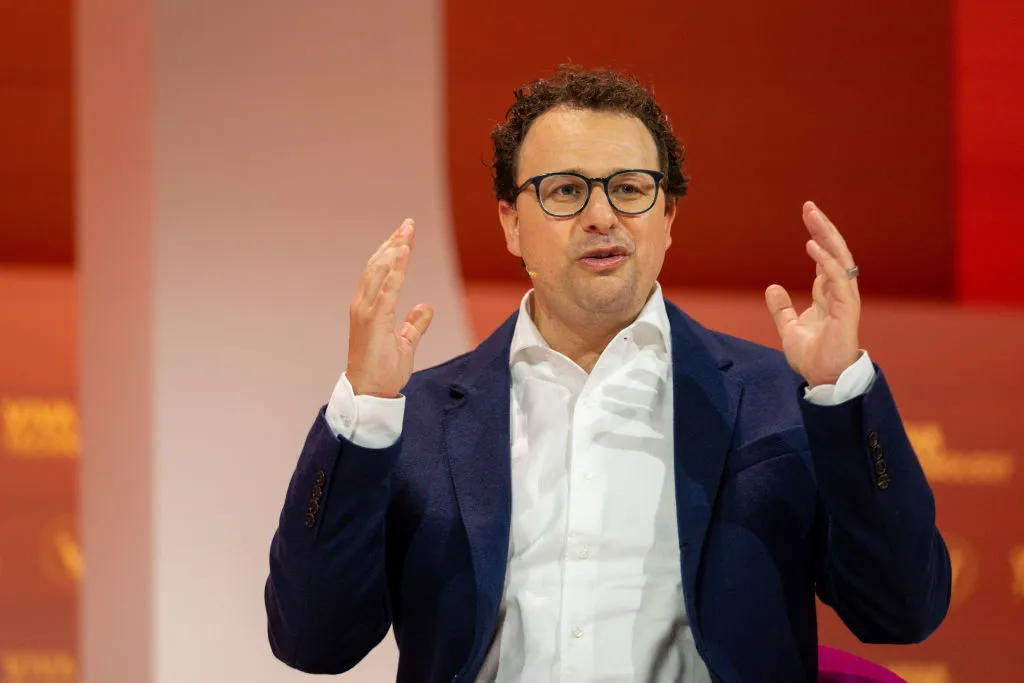

Anthropic CEO Dario Amodei has accused OpenAI of “straight up lies” in its public statements about a recently signed agreement with the U.S. Department of Defense, according to an internal memo to staff first reported by The Information on March 4, 2026. The accusation is one of the sharpest public criticisms yet between the two leading frontier AI companies, highlighting deep divisions over military AI use and safety commitments.
The conflict stems from the breakdown of Anthropic’s own talks with the Pentagon in late February 2026. Anthropic had insisted on explicit contractual prohibitions against its models being used for mass domestic surveillance of Americans or fully autonomous lethal weapons, red lines the company viewed as non-negotiable to prevent catastrophic misuse. The DoD reportedly sought broader “lawful purposes” language and resisted strong restrictions on analyzing bulk acquired data, which Amodei saw as directly conflicting with Anthropic’s core safety principles. When negotiations collapsed, Defense Secretary Pete Hegseth designated Anthropic a “supply-chain risk” on February 27, and President Trump ordered federal agencies to phase out the company’s technology over six months.
OpenAI quickly announced its own deal to deploy models in classified DoD environments. CEO Sam Altman described the agreement as “rushed” but essential to de-escalate government-industry tensions, claiming it included “more guardrails than any previous agreement for classified AI deployments, including Anthropic’s.” OpenAI highlighted technical safeguards such as cloud-only execution, independent safety classifiers, embedded OpenAI personnel, and explicit references to U.S. laws (including DoD Directive 3000.09 on autonomous systems and Fourth Amendment protections).
In his memo, Amodei dismissed that framing as “safety theater.” He accused Altman of “presenting himself as a peacemaker and dealmaker” while accepting terms Anthropic had rejected on ethical grounds. Amodei argued that OpenAI’s portrayal of stronger protections was “straight up lies,” implying the company prioritized internal employee appeasement and public perception over enforceable limits on high-risk classified uses.
The public fallout has been immediate. App store data showed spikes in ChatGPT uninstalls and Claude downloads in the days after the announcements, with users citing ethical concerns over military ties. Anthropic’s firm stance has earned support from AI safety advocates, while OpenAI’s approach has drawn criticism for potentially lowering the bar on dual-use AI.
OpenAI has not issued a direct rebuttal to Amodei’s memo as of March 5, 2026, though Altman previously defended the deal on X as a pragmatic step amid geopolitical pressures and the risk of lagging behind adversaries. The episode reveals stark philosophical differences: Anthropic’s “safety absolutism” versus OpenAI’s “pragmatic engagement” with government priorities.
For Lagos and African observers, the controversy has indirect but significant implications. As frontier models grow increasingly dual-use, U.S. government-AI lab dynamics could shape global access, export controls, and ethical standards for military AI, issues relevant to African governments, defense entities, and researchers building or adopting similar technologies.
Whether Amodei’s critique gains broader momentum or is seen as competitive rhetoric, it has intensified scrutiny of OpenAI’s safeguards in classified settings. With both labs competing aggressively for talent, partnerships, and legitimacy, this public feud may influence how the frontier AI sector navigates military applications in 2026 and beyond.






 English
  简体中文
简体中文  Čeština
  Deutsch (Sie)
  Français


