

Summary
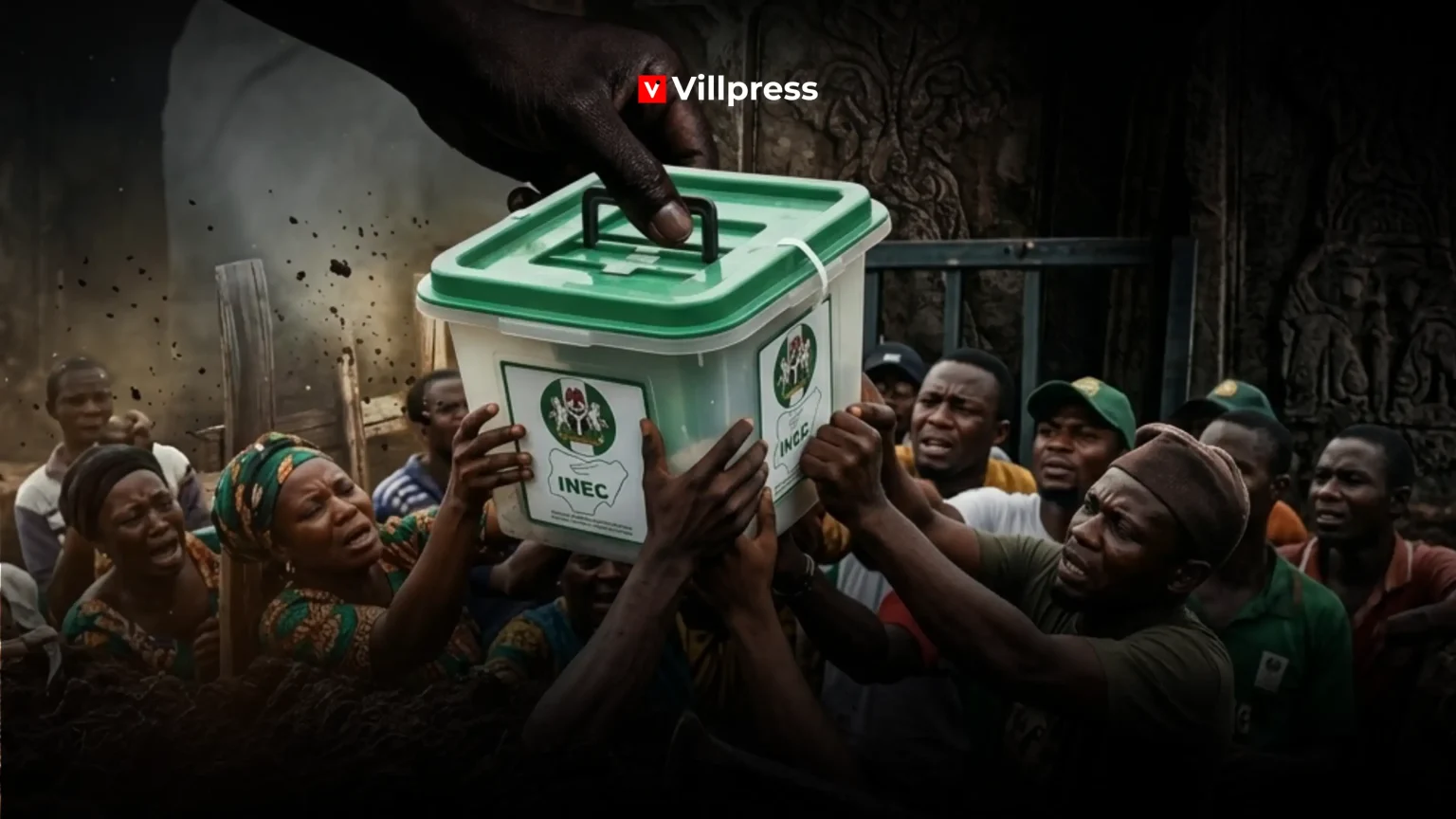
Nigeria’s 2027 general election may become the country’s first election significantly shaped by artificial intelligence–generated political media. Advances in generative AI have made it possible to create highly convincing fake videos, speeches, images, and audio recordings of political figures. These technologies, commonly referred to as deepfakes or synthetic media, are increasingly being used globally to influence public opinion, manipulate political narratives, and distort democratic processes.
While Nigeria has long struggled with misinformation during election cycles, the emergence of AI introduces a new layer of risk: information manipulation that is faster, cheaper, and far more believable than traditional propaganda.
This report examines:
- how artificial intelligence may shape Nigeria’s 2027 election
- how deepfakes have already influenced elections globally
- why Nigeria may be particularly vulnerable
- how AI-generated media could alter campaign strategies
- what safeguards may be required before 2027
The findings suggest that without proactive regulation, media literacy, and technological preparedness, the 2027 election could face unprecedented challenges to public trust and electoral credibility.
1. The Next Battlefield of Elections
Political campaigning has always evolved alongside communication technology.
Radio shaped political messaging in the 20th century.
Television transformed political image-making.
Social media redefined digital campaigning in the 2010s.
Now, artificial intelligence is reshaping the next phase of political communication.
Generative AI tools can now:
- clone a person’s voice
- generate photorealistic videos
- fabricate speeches
- create synthetic images of events that never occurred
These tools are becoming widely available and inexpensive.
What previously required professional editing teams can now be done in minutes using consumer-level software.
For elections, this creates an unprecedented situation: political realities can now be manufactured at scale.
2. Understanding Deepfake Technology
Deepfakes are AI-generated media that mimic the appearance, voice, or actions of real individuals.
The technology works by training machine learning models on large datasets of images, videos, and audio recordings of a target individual. Once trained, the system can generate new content in which that person appears to say or do things that never actually happened.
Examples include:
- fake speeches delivered by political candidates
- fabricated recordings of private conversations
- synthetic endorsements from influential public figures
- manipulated videos showing scandals or misconduct
What makes deepfakes particularly dangerous is their high level of realism.
Modern generative AI can produce content that is extremely difficult for ordinary viewers to distinguish from genuine footage.
3. Elections Already Affected
The influence of artificial intelligence in political communication is no longer theoretical. Several recent elections around the world have already experienced AI-related manipulation incidents.
Voice Cloning in the United States
During a U.S. primary election, voters in New Hampshire received robocalls featuring an AI-generated voice that closely resembled President Joe Biden. The call falsely advised voters to stay home and not participate in the election. Authorities later identified the audio as a synthetic voice clone. The incident demonstrated how AI could be used to suppress voter participation through deception.
Deepfake Audio in European Elections
In Slovakia, a fake audio recording circulated online days before a national election. The recording appeared to capture a political leader discussing election fraud. The audio quickly went viral across social media platforms.
Subsequent analysis suggested the recording had been artificially generated using AI technology. Because the recording appeared shortly before voting, fact-checking efforts struggled to contain its spread.
AI-Generated Political Advertising
Political campaigns have also experimented with synthetic media in attack advertisements.
In the United States, AI-generated imagery and manipulated video clips have been used in political messaging campaigns designed to discredit opponents or exaggerate policy consequences.
While some of these examples were labeled as satire or hypothetical scenarios, they demonstrated the growing role of AI-assisted storytelling in political messaging.
4. Nigeria’s Unique Vulnerability
Nigeria’s digital environment may make the country especially susceptible to AI-driven misinformation.
Several structural factors increase the potential impact of synthetic political media.
4.1 Messaging Platforms and Closed Networks
A significant portion of political content in Nigeria spreads through private messaging platforms, particularly WhatsApp and Telegram.
Unlike open social networks, these platforms make it difficult to track the origin of viral content or intervene quickly when misinformation spreads.
Once a fabricated video enters multiple WhatsApp groups, it can circulate widely with minimal oversight or verification.
4.2 High Emotional Political Environment
Nigeria’s politics is deeply intertwined with:
- ethnic identity
- regional interests
- religious affiliation
A fabricated video appearing to show a candidate insulting a particular group could trigger immediate outrage and polarization.
AI-generated misinformation in such an environment could escalate tensions quickly.
4.3 Low Verification Culture
Many voters encounter political information through forwarded messages or short video clips without reliable context.
Deepfake media exploits this pattern because visual evidence often carries strong persuasive power.
If a video appears authentic, viewers may assume it is genuine even without confirmation.
5. The “Liar’s Dividend” Effect
The spread of deepfake technology creates another problem that may be even more dangerous.
When synthetic media becomes widespread, politicians can dismiss real evidence as fake.
This phenomenon is known as the liar’s dividend.
For example:
If an authentic video emerges showing a politician engaging in misconduct, that politician may simply claim the video is AI-generated.
In a world where deepfakes are common, truth itself becomes easier to deny.
The result may be widespread skepticism toward all political media, real or fabricated.
6. AI-Driven Campaign Strategies
Artificial intelligence will likely influence not only misinformation but also legitimate campaign strategies.
Future campaigns may use AI to:
Generate Targeted Political Messaging
AI systems can produce customized messages tailored to specific voter groups, regions, or demographics.
Produce Rapid Response Content
Campaign teams could generate dozens of digital ads, speeches, or rebuttals within hours.
Analyze Voter Sentiment
Machine learning systems can analyze social media conversations to predict voter attitudes and guide campaign messaging.
Create Synthetic Visual Content
Campaigns may use AI-generated images and videos to illustrate policy ideas or hypothetical scenarios.
While some of these uses may be legitimate, they also blur the line between political communication and manipulation.
7. The Risk to Democratic Trust
Perhaps the most serious consequence of AI-driven political media is erosion of trust.
Democratic systems depend heavily on public confidence in:
- election results
- political communication
- institutional credibility
If voters begin to believe that every video might be fake, confidence in political information may collapse.
In such an environment:
- conspiracy theories spread easily
- political polarization deepens
- election results become harder to accept
For countries with fragile democratic institutions, this risk is particularly significant.
8. Regulatory and Technological Responses
Governments and technology companies are beginning to address the risks associated with AI-generated political media.
Possible policy responses include:
AI Content Disclosure Requirements
Political campaigns may be required to label AI-generated media used in advertisements or campaign messaging.
Deepfake Detection Tools
Technology companies are developing software that identifies synthetic images, audio, and videos.
Electoral Monitoring Systems
Election observers may need to track not only physical voting processes but also digital information ecosystems.
Criminal Penalties for Malicious Deepfakes
Some countries are considering laws that criminalize intentionally deceptive AI-generated media during election periods.
9. Preparing Nigeria for 2027
Nigeria’s electoral institutions, technology regulators, and civil society organizations may need to begin preparing for the AI era.
Key priorities could include:
- strengthening fact-checking networks
- training journalists in AI verification techniques
- developing public awareness campaigns about deepfakes
- collaborating with technology companies on detection tools
- updating electoral laws to address synthetic media
Without early preparation, Nigeria could enter the 2027 election cycle with limited defenses against digital political manipulation.
Conclusion
Artificial intelligence represents one of the most powerful communication technologies ever developed. Its ability to generate convincing synthetic media introduces both opportunities and risks for democratic societies.
For Nigeria, the upcoming 2027 election may become a defining moment in how the country navigates the intersection of technology, politics, and public trust. Deepfakes and AI-generated propaganda may not determine election outcomes on their own.
But they have the potential to distort political discourse, mislead voters, and undermine confidence in democratic institutions. The challenge is not only technological, it is also societal.
As elections move deeper into the digital age, democracies must find ways to protect truth, transparency, and public trust in an environment where reality itself can be artificially manufactured.