


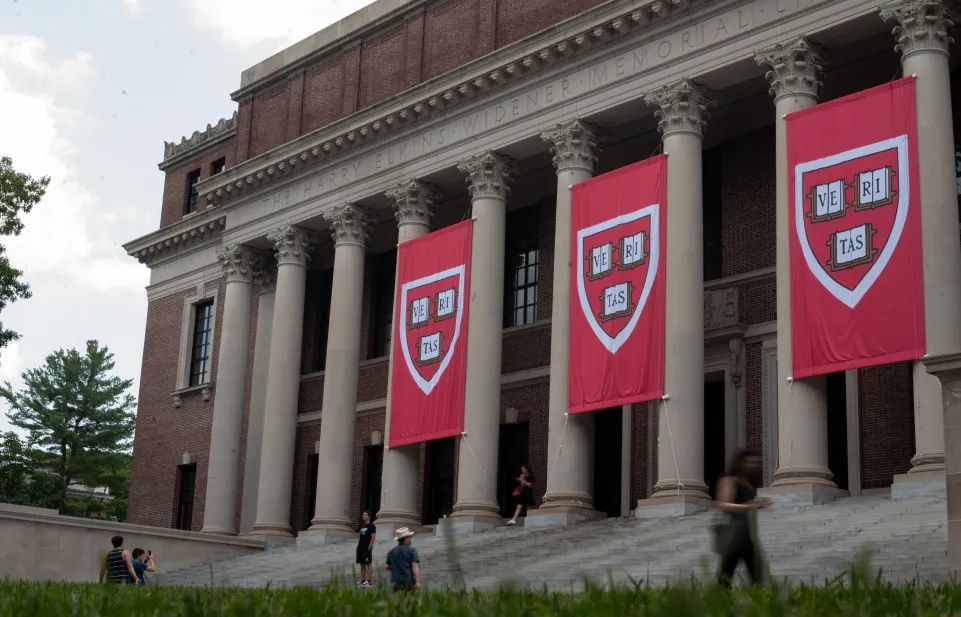
In a move that underscores the persistent vulnerabilities in higher education’s digital infrastructure, the notorious hacking collective known as ShinyHunters has released vast troves of personal data allegedly stolen from Harvard University and the University of Pennsylvania. The group, which has a track record of high-profile breaches, posted what it claims are more than one million records from each institution on its leak site earlier today, escalating breaches that were first disclosed late last year. This public dump comes after the universities reportedly declined to pay ransoms, a common tactic in these extortion schemes where hackers threaten to expose sensitive information unless compensated.
The data now circulating online includes a mix of personal and biographical details tied to alumni networks and fundraising efforts. For Harvard, the exposed records encompass email addresses, phone numbers, home and business addresses, event attendance histories, donation specifics, and other information related to alumni engagement. Similarly, the UPenn cache features donor histories, demographic details like names and race, estimated net worths, and personally identifiable information from marketing databases. TechCrunch has reviewed portions of the datasets, verifying elements through cross-checks with public records and affected individuals, though the full scope of authenticity remains under scrutiny as universities continue their analyses.
Harvard’s troubles trace back to November 18, 2025, when the university detected unauthorized access to systems managed by its Alumni Affairs and Development office. The intrusion stemmed from a voice phishing attack, often called vishing, where attackers impersonate trusted figures over the phone to trick victims into divulging credentials or clicking malicious links. University officials swiftly revoked the hackers’ access and enlisted third-party experts alongside law enforcement to investigate. In a statement posted to its IT security page, Harvard emphasized that the compromised systems typically do not hold highly sensitive financial data like Social Security numbers, passwords, or credit card details. Instead, the focus was on relational data used for cultivating donor relationships and organizing events.
The potential reach is broad: The affected systems house information on alumni, their spouses or partners, donors, parents of students, and even some current students, faculty, and staff. On November 22, 2025, Harvard emailed those with records in the system, urging vigilance against suspicious communications that might exploit the breach. A dedicated hotline and email for inquiries were established, but as of now, the university has not commented on the ShinyHunters release, leaving open questions about whether additional notifications will follow.
At UPenn, the saga unfolded a bit earlier, in late October 2025, with a more theatrical twist. Hackers gained entry via an employee’s single sign-on credentials, penetrating platforms like Salesforce for donor management, SharePoint for document storage, and other internal tools. Before being locked out, the intruders sent mass emails from official Penn addresses, lambasting the university’s admissions practices in crude terms—accusing it of favoring “legacies, donors, and unqualified affirmative action admits.” While this rhetoric suggested possible political motivations, ShinyHunters’ history points more toward financial gain; the group didn’t respond to inquiries about the language used.
The breach at UPenn compromised around 1.2 million records from donor databases, including personal identifiers, donation timelines, and financial snapshots. Thousands of internal documents were later leaked, encompassing memos on donor families, bank transaction receipts, and marketing materials. A university spokesperson noted that a thorough review has been completed, with notifications sent to impacted individuals where required by law. Interestingly, a related class-action lawsuit stemming from the incident was effectively derailed this week after filings revealed fewer than 10 people were directly affected by the email hack component, leading several plaintiffs to withdraw. Penn is now analyzing the newly published data and has pledged to notify anyone whose privacy obligations trigger further action.
ShinyHunters, the group behind this latest escalation, isn’t new to the scene. They’ve been linked to dozens of breaches since emerging in 2020, targeting everything from e-commerce giants to telecom firms, often selling stolen data on underground forums before going public. In this case, the hackers explicitly cited the universities’ refusal to pay as the reason for the dump, a strategy that amplifies pressure but also risks drawing more law enforcement scrutiny.
These incidents don’t exist in isolation. They’re part of a troubling wave hitting Ivy League and other elite institutions, where sprawling networks of alumni data represent lucrative targets. Princeton University faced a similar vishing attack in November 2025, losing access to donor and alumni details for its entire graduate base. Earlier breaches at Columbia University exposed data on 870,000 people, while NYU saw records for three million applicants compromised since 1989. Even Stanford and Georgetown have dealt with comparable exposures in recent years.
What makes universities like Harvard and UPenn such magnets for cybercriminals? For one, their databases are goldmines of high-value personal information, think wealthy donors whose details could fuel identity theft, targeted scams, or further extortion. Decentralized IT environments, often patched together across departments, create multiple weak points. Budget constraints mean security investments sometimes lag behind those in corporate sectors, and the human element, staff handling sensitive calls or emails, remains a perennial vulnerability. Social engineering tactics, as seen here, exploit trust rather than technical flaws, making them hard to fully eradicate.
The fallout extends beyond immediate privacy risks. Affected individuals now face heightened chances of phishing attempts or fraud, prompting universities to advise monitoring credit reports and scrutinizing unsolicited contacts. On a systemic level, these breaches highlight the need for stronger defenses: multi-factor authentication everywhere, regular employee training on vishing red flags, data minimization to store only what’s essential, and robust incident response plans. Some experts argue that higher ed’s shift toward cloud-based tools, while efficient, has inadvertently expanded attack surfaces without commensurate safeguards.
As investigations proceed, Harvard and Penn are both coordinating with authorities, these releases serve as a stark reminder that no institution is impervious. In an era where data is currency, the cost of lax security isn’t just reputational; it’s measured in the eroded trust of millions whose personal histories are now adrift in the digital ether. Whether this prompts a broader overhaul in academic cybersecurity remains to be seen, but the pattern of attacks suggests the sector can’t afford to wait.