

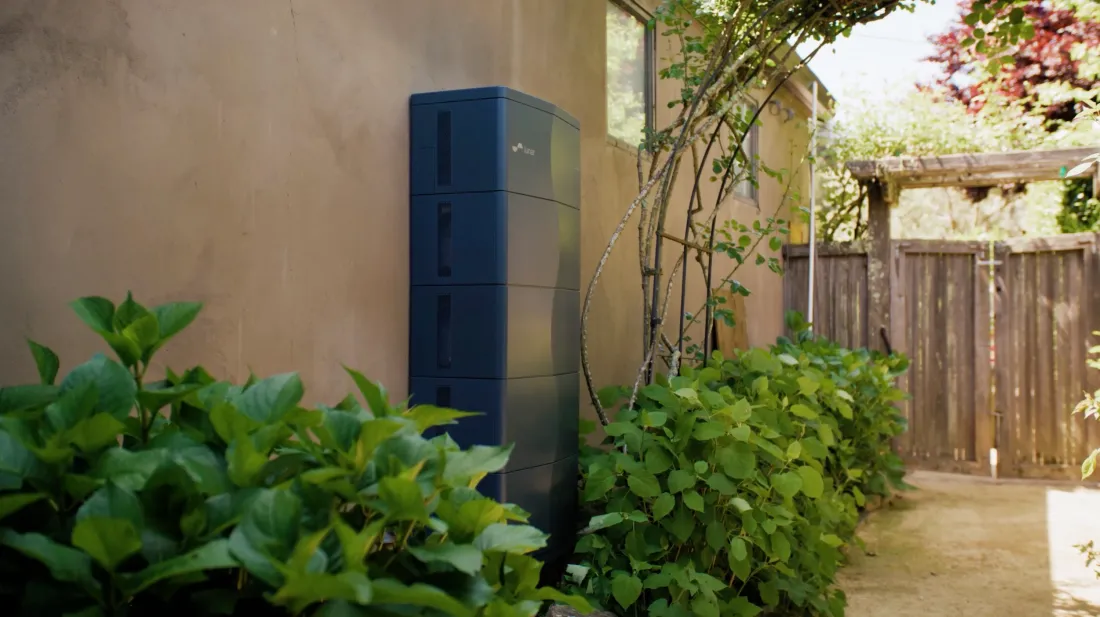
Lunar Energy, a clean-energy startup focused on distributed battery storage, has closed a $232 million funding round to scale deployment of residential energy storage systems that can support the electrical grid during peak demand or outages. The capital comes as utilities and grid operators look for flexible, distributed solutions to balance renewable energy supply and demand, especially as more solar and wind capacity is added to the grid.
The Series C financing was led by Energy Impact Partners and included participation from utility investors, strategic partners, and previous backers. With this latest infusion, Lunar Energy has now raised more than $400 million since its founding, signaling strong investor confidence in its approach to residential battery deployment and two-way energy services.
Unlike typical home battery systems that serve only the homeowner, for example, storing solar energy for evening use — Lunar’s technology is designed to participate directly in grid operations. When grid demand spikes or reliability is threatened, aggregated batteries in participating homes can discharge stored energy back into the grid or reduce load, providing utilities with a distributed layer of capacity that can be faster and more cost-effective than traditional power plants.
This model positions residential batteries not just as backup power for individual homes, but as an active participant in grid stability and energy markets. Utilities have historically relied on centralized resources — such as gas peaker plants — to handle sudden surges in demand. But as renewable penetration grows, so does the need for flexible demand response and storage solutions that can be dispatched when needed. Distributed batteries, aggregated and orchestrated intelligently, can provide that flexibility.
Lunar’s platform integrates home battery systems with software that manages when to store energy, when to discharge it, and how to respond to grid signals. Homeowners benefit from lower electricity costs, resiliency during power outages, and the potential to earn incentives from utilities for participating in distributed energy programs. At the same time, grid operators gain a network of flexible assets that can be tapped as needed.
The economics of residential storage have improved substantially in recent years, driven by declining battery costs, policy support for clean energy, and advances in software that can intelligently orchestrate distributed systems. Investors backing Lunar see both a near-term opportunity in existing energy markets and a long-term trend toward decentralized grid architectures where consumers play a more active role in energy supply and demand balancing.
“Distributed energy resources like home batteries are no longer peripheral assets — they are becoming essential infrastructure for a modern grid,” said one partner from the lead investor. “Lunar’s software-first approach unlocks the value of these systems at scale.”
Lunar plans to use the new funding to expand its installation footprint across more U.S. states, deepen utility partnerships, and enhance its energy management platform. The company has already struck agreements with several regional utilities to pilot grid-integrated battery programs, and investors expect those partnerships to multiply as regulatory frameworks evolve to better accommodate distributed storage.
For homeowners, participating in Lunar’s programs means gaining more control over energy costs and resilience, while contributing to broader climate and grid-reliability goals. As extreme weather events and renewable intermittency challenge utility planning, distributed batteries offer a tool that can help smooth peaks, reduce strain on infrastructure, and defer expensive upgrades.
With growing competition in the residential storage space, from incumbents like Tesla and newer entrants backed by utilities and energy investors, Lunar’s differentiated focus on grid integration and two-way services could carve out a distinct niche. Whether it can scale fast enough to keep pace with rising demand remains to be seen, but with fresh capital and strategic partners aligned around decentralized energy, the startup is positioning itself squarely at the intersection of home electrification and grid modernization.