


The United Nations Development Programme (UNDP) has teamed up with telecom operator Africell to strengthen digital support for young tech founders in Sierra Leone and The Gambia, as part of a broader push to turn university-based innovation into real businesses.
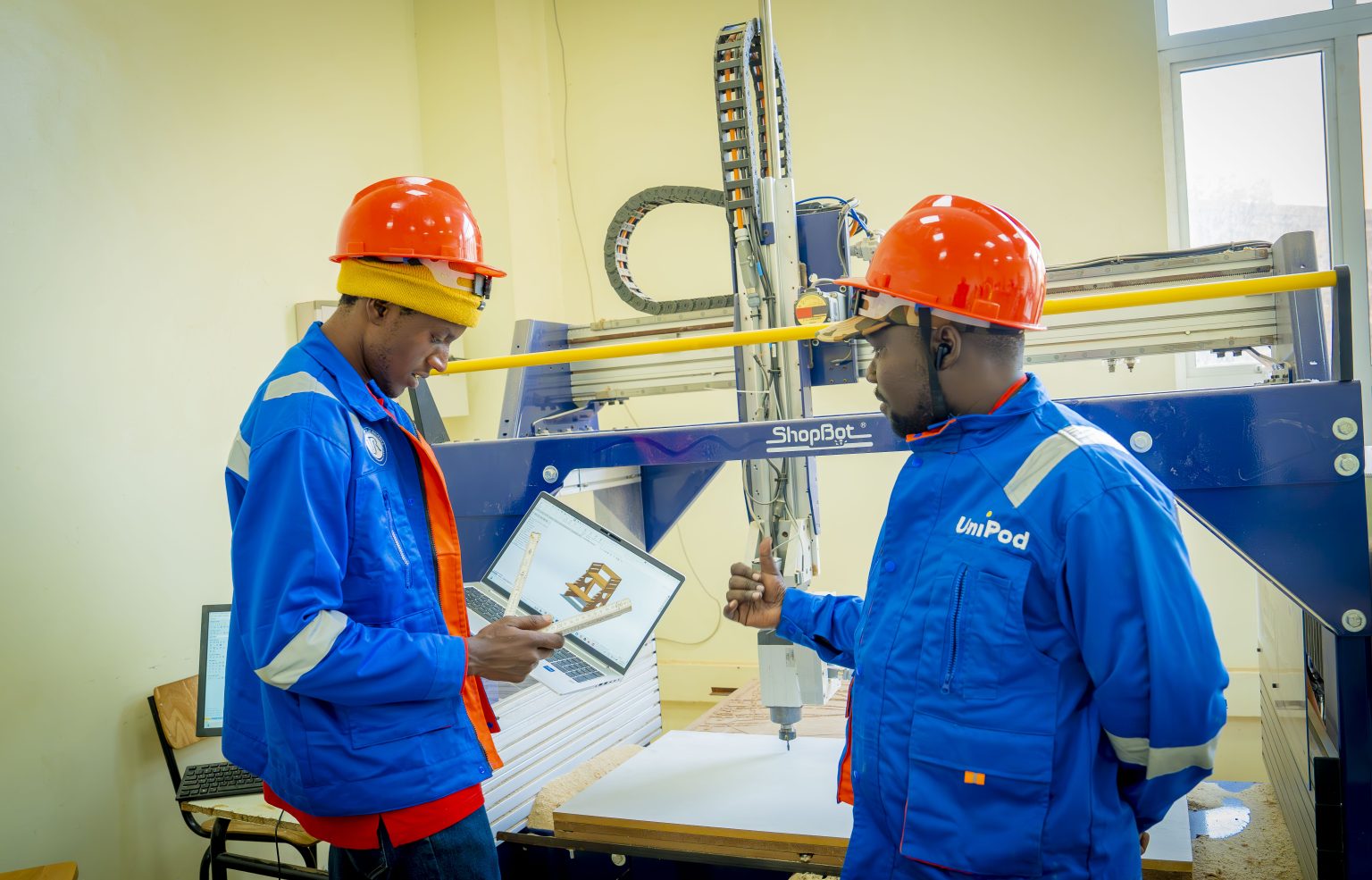
The partnership, announced last week, focuses on improving internet connectivity at University Innovation Pods (UniPods), campus hubs where students and early-stage entrepreneurs develop ideas, build products, and receive training. The initiative sits under Timbuktoo, UNDP’s flagship program aimed at accelerating African startups and linking them to capital, skills, and markets.
For many founders in West Africa, weak or unreliable internet remains a major barrier. UniPods were created to bridge that gap, but limited connectivity has often slowed progress. Under the new agreement, Africell will provide high-speed internet access, 4G MiFi devices, and Internet of Things (IoT) tools to UniPods in both countries. The goal is simple: give young innovators the digital foundation they need to move faster, test ideas properly, and build products that can scale beyond the classroom.
Africell Group CEO Ziad Dalloul said the partnership reflects a shared belief that talent is not the problem access is. By combining Africell’s network infrastructure with UNDP’s innovation programs, he said, the initiative helps convert raw ideas into viable companies.
The connectivity upgrade is designed to support everything from software development and digital design to hardware testing and data-driven services. For founders working on health tech, agritech, fintech, or logistics solutions, consistent internet access can be the difference between a prototype that stalls and one that reaches market.
UniPods already offer training in entrepreneurship, digital skills, and robotics, along with mentorship and early-stage acceleration. Africell’s contribution fills a critical gap by ensuring that these programs are backed by reliable infrastructure. For students building connected devices or testing IoT-based solutions, access to real-world tools is especially important.
Read also: Buy Now Pay Later in Africa: The Fastest-Growing Fintech Trend Everyone Should Be Watching
The partnership also reflects a broader shift in how development organizations approach innovation. Rather than focusing only on funding or policy, programs like Timbuktoo aim to build complete startup ecosystems combining skills, infrastructure, capital, and networks. UNDP has positioned universities as key entry points, arguing that campuses are where ideas, talent, and research already intersect.
Timbuktoo’s ambitions are large. The program aims to mobilize $1 billion, improve 100 million livelihoods, and help create 10 million decent jobs across Africa. UniPods are one of the ways UNDP plans to reach those numbers, especially in countries where startup ecosystems are still emerging.
Sierra Leone and The Gambia face familiar challenges: small markets, limited venture capital, and infrastructure gaps that make it harder for startups to compete regionally or globally. By strengthening digital access early, UNDP and Africell hope to give founders a better shot at building companies that last.
There is also a policy angle. Governments across Africa increasingly see startups as engines of job creation and economic diversification, especially as traditional sectors struggle to absorb young workers. Supporting innovation hubs inside universities helps align education with labor market needs, while keeping talent at home.
For Africell, the partnership deepens its role beyond connectivity provider. Telecom operators across the continent are under pressure to move up the value chain, supporting digital services, innovation, and entrepreneurship. Backing UniPods positions Africell as a long-term player in West Africa’s digital economy, not just a network operator.
For students and young founders, the impact is more immediate. Faster internet, better tools, and a stronger support system reduce the friction that often kills ideas before they mature. It also signals that global institutions and private companies are willing to invest in early-stage innovation, even in smaller markets.
As UniPods in Sierra Leone and The Gambia come online with improved connectivity, the real test will be outcomes: startups launched, products built, and jobs created. But for now, the partnership sends a clear message. Africa’s next generation of tech companies will not emerge by chance. They will be built deliberately where talent meets access and increasingly, that work is starting on campus.