

Senegal has taken another major step toward clean and reliable energy.
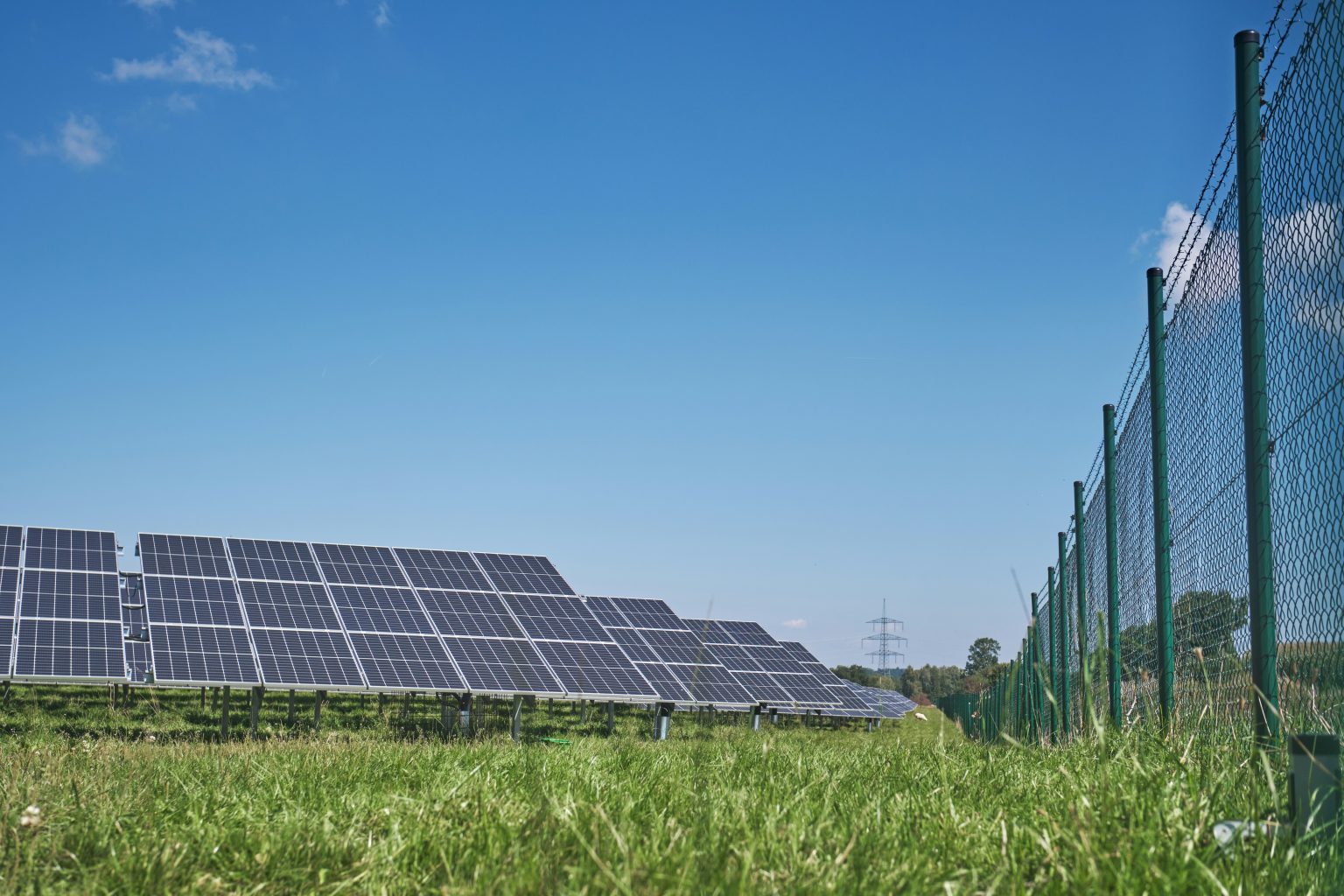
On Thursday, January 22, the country officially opened the Walo Storage power plant in Bokhol, in the northern Saint-Louis region. The new facility combines solar power and battery storage, a first for Senegal at this scale.
The project includes a 16-megawatt-peak solar plant and a battery system capable of delivering 10 megawatts of power for two hours, or 20 megawatt-hours in total. This setup allows the plant not only to generate clean electricity during the day but also to store energy and release it when the grid needs it most.
For Senegal, this is more than just another solar plant. It is the country’s first solar facility specifically designed to help regulate the national power grid.
Why this plant matters
Solar energy is clean and affordable, but it comes with a challenge: the sun does not shine all the time. When clouds pass or night falls, power output can drop quickly. That can make it harder for grid operators to keep electricity supply stable.
The Walo Storage plant solves this problem by using battery storage. When solar production is high, extra electricity is stored in batteries. When demand rises or when solar output falls, the batteries release energy back into the grid.
This helps keep frequency and voltage stable, reduces outages, and makes it easier to add more renewable energy to the system.
According to energy experts, projects like Walo Storage are critical for countries that want to move away from fossil fuels without risking blackouts.
A first for Senegal, a signal for West Africa
Officials say Walo Storage is Senegal’s first solar-plus-storage plant dedicated to frequency regulation. It is also among the first projects of its kind in West Africa, placing Senegal at the forefront of modern power system design in the region.
The plant began commercial operations in July 2025, but the official inauguration this week marked its full entry into the national energy system.
The ceremony brought together local authorities, technical experts, financial partners, and senior energy officials. Papa Toby Gaye, Chief Executive Officer of Senegal’s state electricity company Senelec, represented the Ministry of Energy, Petroleum and Mines.
“Walo Storage gives us an essential tool to guarantee stable and reliable electricity,” Gaye said. “It also strengthens Senegal’s role as a leader in sustainable electrification in West Africa.”
How the project was financed
The Walo Storage project was developed by Africa REN, with a total investment of €40 million.
The financing structure reflects growing international confidence in Senegal’s energy sector. The project was funded through a mix of equity from Africa REN’s shareholders and debt provided by FMO, the Dutch development bank, and EAAIF, an infrastructure fund backed by the Private Infrastructure Development Group (PIDG).
The plant is directly connected to the Senelec grid, allowing it to support electricity supply during peak demand and provide backup power when disruptions occur.
Part of a bigger national plan
Walo Storage is not an isolated project. It fits into Senegal’s broader push to modernize its energy system and expand renewables.
In May 2025, another major project broke ground: the NEA Kolda power plant, developed by AXIAN Energy. That project will combine 60 megawatts of solar power with 72 megawatt-hours of battery storage, backed by more than €105 million in financing.
Together, these projects signal a clear shift toward solar-plus-storage as the new standard for power generation in Senegal.
Senegal’s clean energy goals
Senegal’s renewable push is guided by its National Energy Pact, developed under the Mission 300 initiative.
The goals are ambitious but clear:
- Universal access to electricity by 2029
- Renewable energy to make up 40% of power generation by 2030
Battery-backed solar plants like Walo Storage are essential to meeting these targets. They allow Senegal to scale up clean energy while keeping the grid stable and reliable.
What comes next
As electricity demand grows, driven by urbanization, industry, and digital services, Senegal will need more projects that combine generation, storage, and smart grid management.
Walo Storage shows what the future of African power systems can look like: clean, stable, and resilient.
For investors, it sends a strong signal that Senegal is ready for next-generation energy infrastructure. For citizens, it means fewer outages and a more secure energy supply. And for the region, it offers a model that other countries are already watching closely. Beyond adding solar power, Senegal is building the systems needed to make renewable energy work at scale.