




Japan has taken a step it once thought impossible.
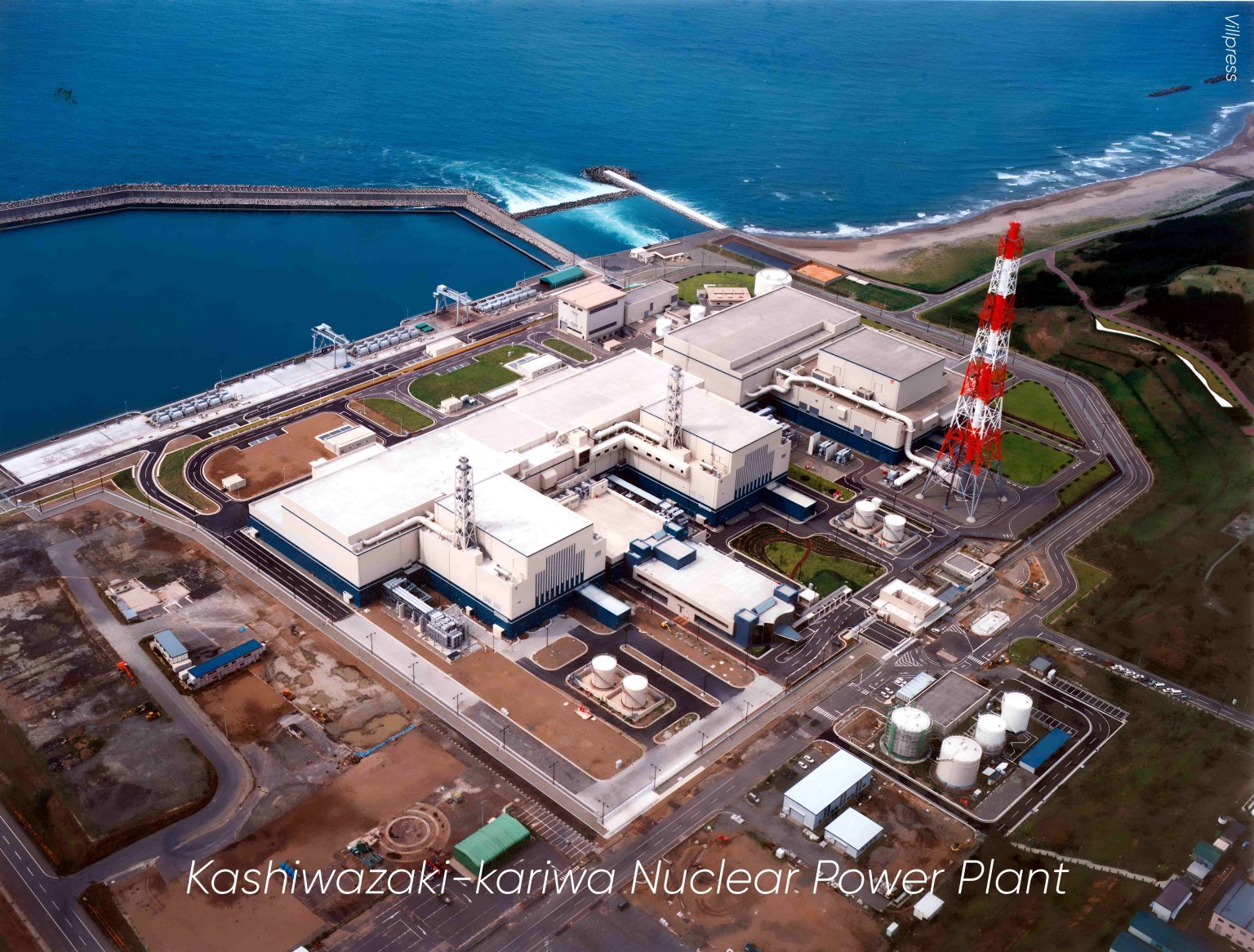
Fourteen years after the Fukushima nuclear disaster shook the country – and the world – Japan has restarted operations at the Kashiwazaki-Kariwa nuclear power plant, the largest nuclear facility on Earth. This follows an announcement made in December 2025. The move marks a turning point in the nation’s long and uneasy return to nuclear energy, even as memories of Fukushima continue to loom large.
Reactor No. 6 at the plant, located in Niigata prefecture northwest of Tokyo, was brought back online this week after a brief delay caused by a malfunctioning alarm system. Commercial operations are expected to begin next month.
For Japan, this is about energy security, climate targets, public trust – and whether the country can truly move past one of the worst nuclear disasters in history.
A Cautious Restart
Kashiwazaki-Kariwa once had seven reactors with a combined capacity of 8.2 gigawatts, enough to power millions of homes. But only one is restarting now.
Reactor No. 7 is not expected to come online until 2030, and the remaining five may never be restarted at all. Even at full revival, the plant will operate far below its former capacity.
This cautious pace reflects Japan’s deeply divided stance on nuclear power.
In 2011, a massive earthquake and tsunami triggered meltdowns at the Fukushima Daiichi nuclear plant, releasing radiation, forcing mass evacuations, and shattering public confidence. All 54 nuclear reactors across Japan were shut down shortly afterward.
An independent government investigation later called Fukushima a “man-made disaster”, citing poor preparation and weak crisis management by Tokyo Electric Power Company (Tepco), which also owns Kashiwazaki-Kariwa.
That legacy still hangs over every restart decision.
Why Japan is turning back to nuclear
Japan imports most of its energy, leaving it vulnerable to global price shocks and geopolitical tensions. At the same time, the country has committed to reaching net-zero emissions by 2050.
Before Fukushima, nuclear power supplied nearly 30% of Japan’s electricity, with plans to push that figure to 50%. Today, nuclear accounts for just 8.5%.
The government’s revised energy plan now targets 20% nuclear power by 2040 – a far more modest goal, but still a major challenge.
Prime Minister Sanae Takaichi has framed nuclear energy as essential for Japan’s future, especially as power demand rises from data centres, artificial intelligence, and semiconductor manufacturing.
Supporters argue nuclear power provides stable, low-carbon energy that renewables alone cannot yet match in Japan’s mountainous landscape.
Critics disagree.
Rising costs and fragile confidence
Running nuclear plants has become far more expensive since Fukushima. New safety standards require massive investments in infrastructure, inspections, and emergency preparedness.
“Nuclear power is getting much more expensive than Japan expected,” says Dr Florentine Koppenborg of the Technical University of Munich. “That challenges the long-held idea that it is cheap and reliable.”
The government faces a tough choice: subsidize nuclear power, risking public backlash or pass higher costs on to consumers already struggling with rising living expenses.
Trust is another problem.
Kashiwazaki-Kariwa has been hit by a series of security lapses, including lost confidential documents and mishandled sensitive data. Elsewhere, regulators recently halted restart reviews at another plant after an operator was found to have manipulated earthquake data.
While Japan’s Nuclear Regulation Authority says safety oversight is now stricter than ever, each scandal reinforces public anxiety.
A nation still haunted by Fukushima
Public opinion remains divided.
Surveys show support for nuclear power has slowly recovered, with more than half of respondents backing it only if safety can be guaranteed. Yet fear has not disappeared.
The 2023 release of treated radioactive water from Fukushima reignited protests at home and abroad. Demonstrations have also followed the Kashiwazaki-Kariwa restart, with residents warning they would bear the consequences of any future accident.
Authorities insist lessons have been learned. At Kashiwazaki-Kariwa, 15-metre-high seawalls now stand guard against tsunamis, and critical systems are protected by watertight barriers.
Former nuclear safety official Hisanori Nei says the plant could withstand a disaster similar to 2011. Others are less convinced.
“They are preparing for the worst they have seen,” Koppenborg warns, “but not necessarily for what is coming – rising sea levels, stronger storms, or the once-in-a-century mega-earthquake Japan still fears.”
Why this matters beyond Japan
Japan’s nuclear restart is being watched closely around the world.
Global momentum is building around nuclear energy as countries struggle to balance climate goals with energy demand. The International Atomic Energy Agency says global nuclear capacity could more than double by 2050.
Japan’s experience offers a warning – and a lesson.
Restarting nuclear power is an engineering challenge as well as a social contract. Without trust, transparency, and long-term planning, even the world’s largest nuclear plant cannot fully power a nation forward.
For now, Japan has taken a careful step back into nuclear energy. Whether it can go further remains an open question.


 English
  简体中文
简体中文  Čeština
  Deutsch (Sie)
  Français


