


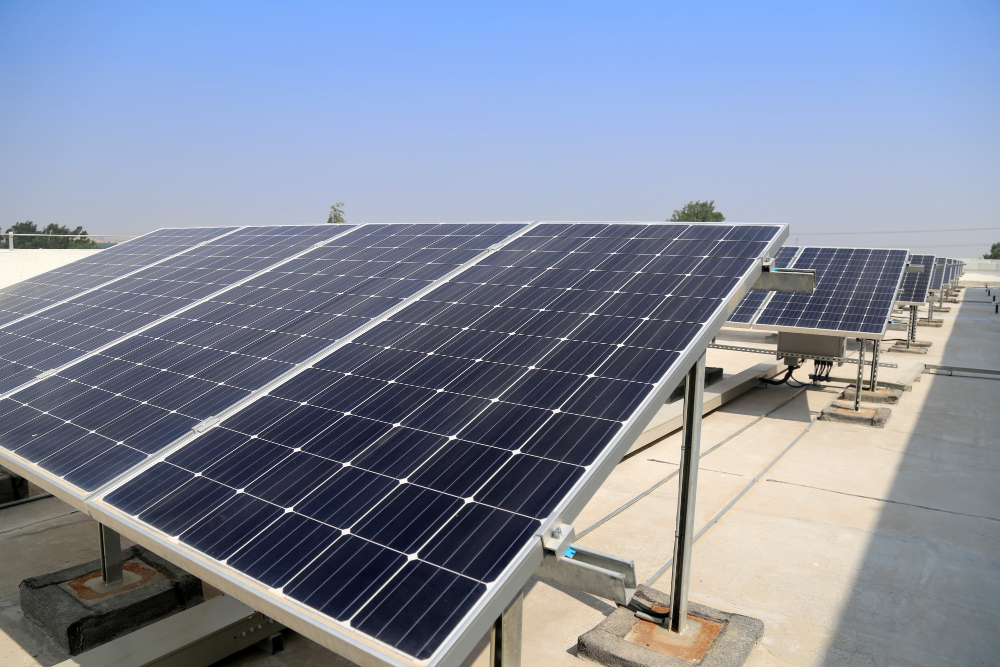
In a big shift powered by falling prices, cheap solar panels from China are helping people and businesses across Africa get reliable energy. This is cutting down on blackouts, lowering bills, and boosting local economies. A recent report from the energy think tank Ember shows that Africa imported over 15 gigawatts of solar panels from China in the 12 months ending June 2025, a 60% jump from the year before. This boom is happening fast, with imports rising 50% in the first 10 months of 2025 alone, according to trade data reviewed by The New York Times. While solar makes up just about 3% of Africa’s total electricity right now, it’s growing quickly in the world’s sunniest continent.
The story is clearest in South Africa, the continent’s biggest economy. There, solar power has gone from almost nothing in 2019 to about 10% of the country’s electricity capacity by 2025, based on data from the Council for Scientific and Industrial Research (CSIR). For years, South Africans dealt with frequent power cuts from an old grid that relies on coal plants over 100 years old. These blackouts hurt businesses and daily life. Now, with solar panels and batteries getting cheaper, people are putting them on rooftops to keep the lights on.
Take Dr. Ismet Booley, a dentist in Cape Town. Before solar, outages meant he could not do X-rays, fillings, or root canals. “No power meant no X-rays, no fillings, no root canals. I just couldn’t work,” he said. Now, with his own solar system, he keeps working no matter what. This is happening in many places: auto factories, wineries, gold mines, shopping malls, and offices are all switching to solar to avoid losses from power failures.
Beyond South Africa, solar is making waves in other countries. In Kenya, where about 90% of electricity comes from renewables already, solar mini-grids are helping rural areas get power for the first time. Ghana has around 40% renewable energy, and solar is adding to that. Off-grid solar systems, like lanterns and home kits, are lighting up homes without grid access. A report from the Institute for Economics and Peace says off-grid solar could power 1 billion lives by 2030, boosting economies and fighting climate change. For example, in places like Tanzania and Nigeria, solar helps farmers run irrigation pumps, increasing crop yields and income.
The economic wins are clear. Power shortages cost Africa 2% to 4% of its GDP each year, according to the International Monetary Fund. Cheap solar cuts these losses by giving reliable energy. Businesses save on bills – some slash costs by half or more with rooftop solar. It also creates jobs in installation, sales, and maintenance. In South Africa, the solar rush is changing trade and industry, making things more efficient. Across Africa, solar supports small businesses, like shops running fridges or clinics keeping vaccines cold.
But there are hurdles. In South Africa, the main utility is losing money as people go solar, forcing it to rethink its model. Africa makes few solar panels itself, relying on imports from China, which jumped due to trade issues like US tariffs. Building local factories could help, but for now, the focus is on using what’s cheap and available. A World Economic Forum report notes solar helps with energy poverty but needs better policies for bigger changes.
Experts say Africa could be the next big spot for solar growth. With sunshine everywhere, cheap tech from China is speeding up the switch from dirty fuels like coal. This not only helps the environment but also builds stronger economies. As one report puts it, solar is a “quiet revolution” transforming the continent. For everyday people, it means light at night, charged phones, and better chances for work and school.
This solar wave is just starting. With investments like those from CrossBoundary Energy in Johannesburg, which helps businesses go renewable, more growth is coming. If trends hold, solar could cut Africa’s energy gaps and lift millions out of poverty. As 2025 ends, the sun is shining brighter on Africa’s future.