


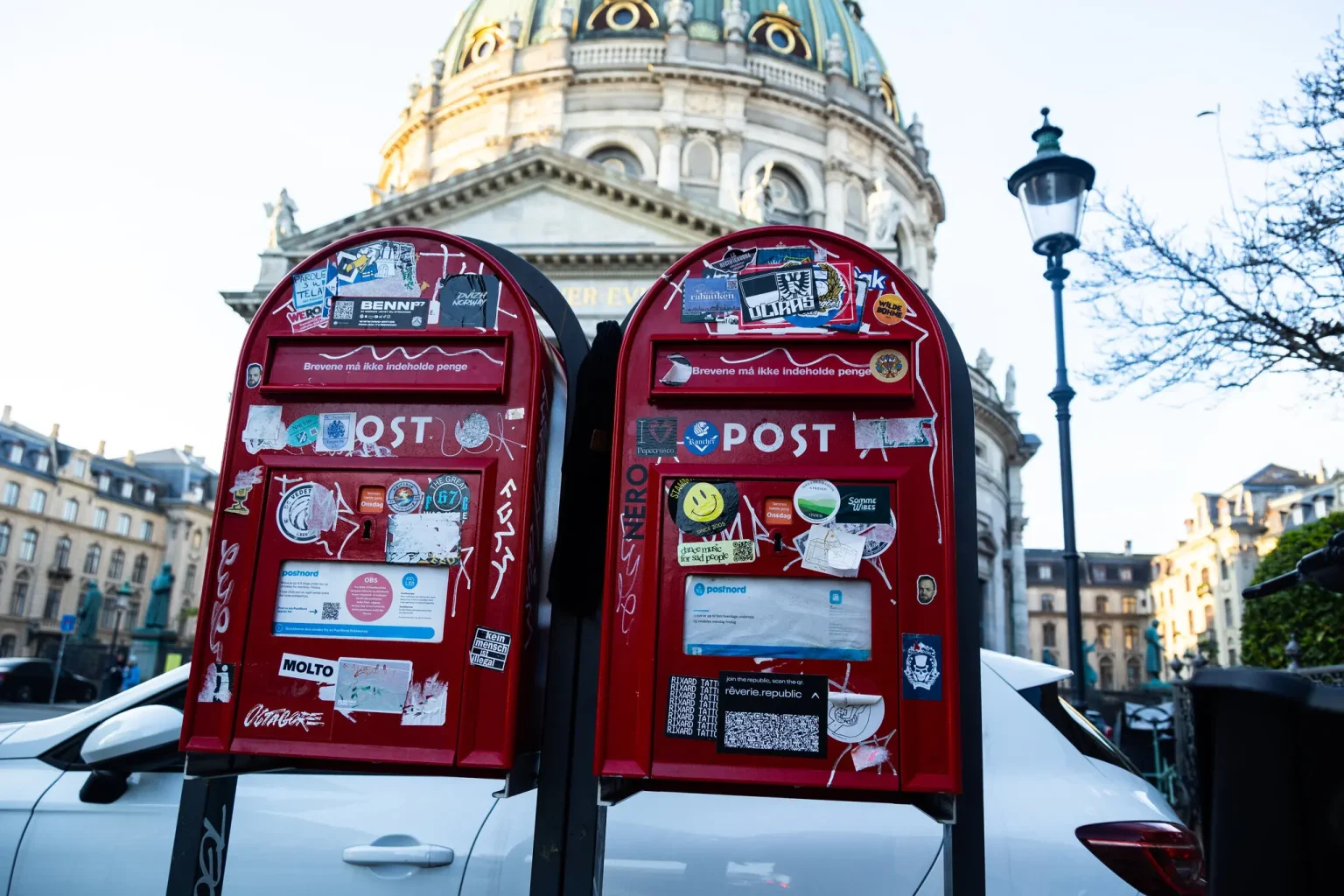
In a major shift driven by the digital age, Denmark’s main postal service, PostNord, has stopped delivering letters as of December 30, 2025. This ends a tradition that started in 1624, over 401 years ago, when the first postal service began in the country. PostNord, which handles mail for Denmark, made the announcement earlier in 2025, citing a huge drop in letter volumes. The company will now focus only on parcels, as online shopping booms while traditional mail fades away.
PostNord was formed in 2009 from a merger between Denmark’s Post Danmark and Sweden’s Posten AB. Post Danmark itself started as a government department in 1624 and became a state-owned company in 1995. The decision to end letter delivery comes after a 90% decline in letter mail since 2000, making it unprofitable. Denmark is one of the most digitalized countries in the world, with 97% of people aged 15 and over using the MitID digital ID system for official communications. Only about 5% opt out of digital post, so very few physical letters are sent anymore.
As part of the change, PostNord started removing its 1,500 red postboxes across Denmark in June 2025, with all gone by the end of the year. Many of these iconic boxes were sold at auction on December 10, 2025, for 1,500 to 2,000 Danish kroner (about $236 to $315) each, depending on condition. The sales raised money for charity, and thousands of Danes bought them as keepsakes. This move also means cutting about 1,500 jobs in Denmark.
For customers, there were deadlines in 2025: Basic letters had to be posted by December 18, and quicker services by December 29. Unused postal labels bought in 2024 or 2025 can be refunded in 2026, with details coming later. International mail handled by PostNord ends on December 31, 2025, and future plans will be set by Denmark’s Ministry of Transport. Letter services in Sweden, where PostNord also operates, are not affected.
Starting January 1, 2026, another company called DAO (Dansk Avis Omdeling) will take over letter delivery in Denmark. DAO, which already handles some mail, expects to deliver about 80 million letters in 2026, up from 30 million in 2025. But sending letters will change: People must drop them off at DAO shops or pay extra for home pickup, and postage can be done online or via app. Danish law requires that letter-sending options stay available, so if DAO stops, the government would find another provider.
The public reaction has been mostly practical, as many Danes rarely receive or send letters anymore. Some feel nostalgic about the end of an era, but others note a small comeback among young people aged 18-34, who send two to three times more letters than older groups as a way to escape digital overload. Experts say this change is irreversible because digital habits are so deep-rooted now.
From a tech perspective, this shows how digital tools like email, apps, and online services have replaced old ways. As countries get more connected, similar changes might happen elsewhere. For now, Denmark leads as the first nation to have its main postal service fully drop letters. If you’re in Denmark and have old stamps, check for refunds soon. This marks the end of a long chapter in communication history.