

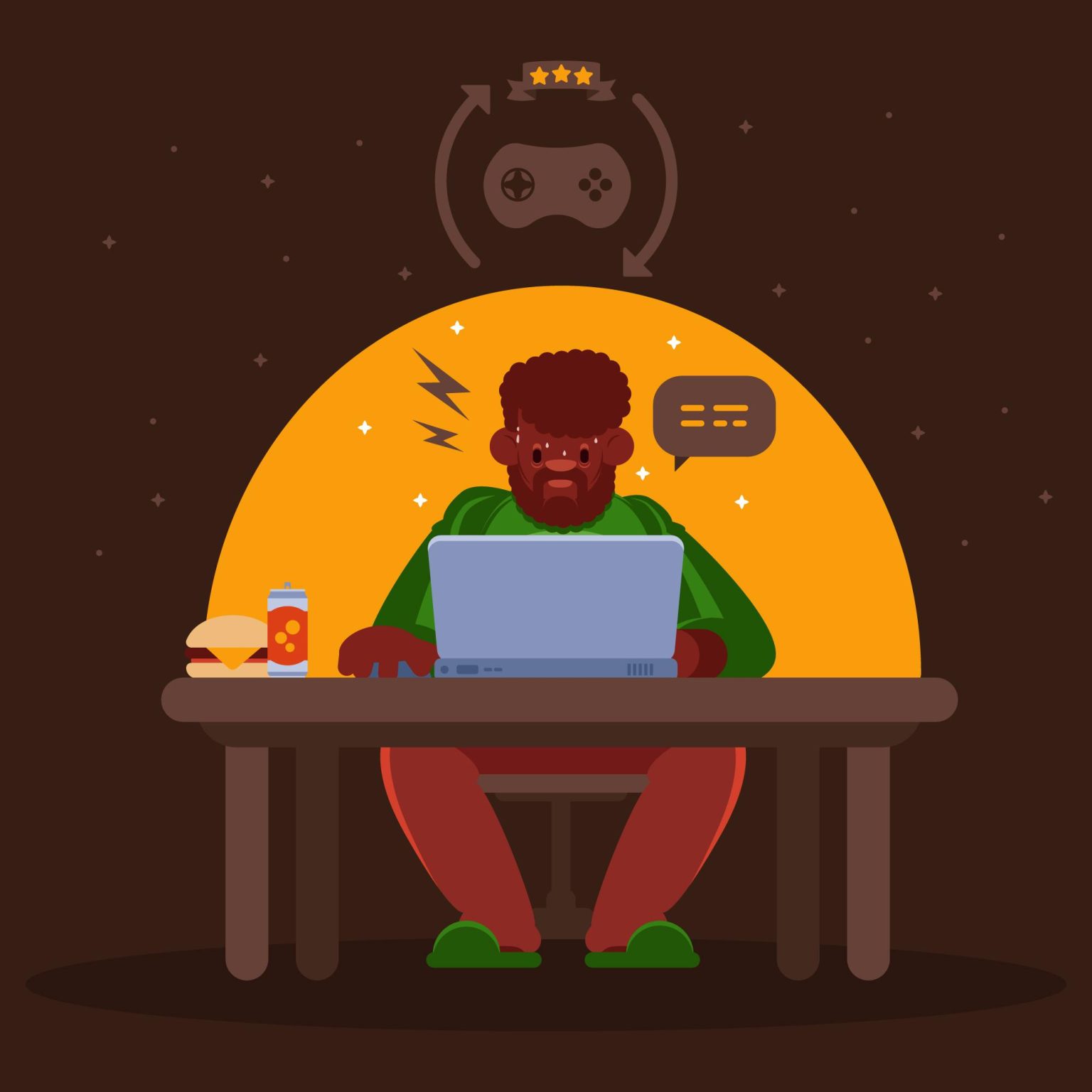
Vibe coding is fun. Let’s be honest, every developer has been there: headphones on, music blasting, fingers flying across the keyboard as some creative force possesses you. You’re not following documentation, no architectural plan, no structured workflow, just pure vibes. And yes, vibe coding can produce brilliant prototypes, quick demos, or proofs-of-concept that make you feel like a genius.
But here’s the twist: vibe coding falls apart the moment your product hits real users.
In this article, we’ll dive deep into why vibe coding is okay for exploration but dangerous for production. We’ll also explore how AI can help teams balance creativity with reliability.
What Is Vibe Coding?
Vibe coding is the act of writing code based purely on the flow of inspiration, no planning, no architecture, no documentation, no tests, no roadmap. Just vibes.
It’s like improvising jazz: beautiful in the moment, messy to reproduce, and nearly impossible for someone else to follow.
In tech circles, vibe coding usually shows up during hackathons, brainstorming sessions, or those late-night “let me try something quickly” moments that somehow become permanent.
Why Non-Technical Founders Love Vibe Coding
Developers enjoy vibe coding because:
- It feels natural — You’re in flow.
- It’s fast — No meetings or planning.
- It’s creative — You can experiment freely.
- It’s liberating — No rules, no constraints, just code.
But the same reasons that make vibe coding fun also make it dangerous for production environments.
The Difference Between Prototype and Production Code
Think of vibe coding like sketching on a napkin. It’s quick, expressive, and gets the idea out. But would you submit a napkin sketch as a final construction blueprint for a skyscraper? Of course not.
Prototype code:
- Rapid
- Dirty
- Experimental
- Disposable
- For internal use
Production code:
- Maintainable
- Documented
- Scalable
- Tested
- Reliable
Production code is built like a bridge that real people will drive on. One crack, and things collapse, sometimes overnight.
The Hidden Cost of Vibe Coding in Real Products
Vibe coding comes with hidden consequences:
– Bugs Appear Everywhere
Quick hacks often miss edge cases. Production environments magnify those flaws.
– Scaling Becomes a Nightmare
What works for 10 users might fail at 1,000.
– Onboarding New Developers Gets Hard
If only the original coder understands the vibes, the entire team struggles.
– Deployment Becomes Risky
Without structure, even small updates break things unexpectedly.
Technical debt, the silent product killer
Technical debt accumulates when teams take shortcuts today and pay the price tomorrow.
Vibe coding creates:
- Spaghetti code
- Undocumented logic
- Fragile integrations
- Redundant functions
- Hidden bugs
You can escape financial debt, but technical debt? It will show up at 2 AM like a ghost haunting your ops team.
Is vibe coding in Startups a breakthrough or a setback?
Startups thrive on speed. Vibe coding helps founders:
- Build MVPs quickly
- Test ideas fast
- Impress investors
- Reduce time-to-market
But the curse comes when founders mistake MVP code for production code. That decision has killed startups faster than the lack of funding.
Why Production Requires Structure
Production demands:
- Predictability
- Stability
- Security
- Efficiency
- Scalability
Your users don’t care how “inspired” the code is. They care about:
- Does the app crash?
- Is their data safe?
- Does the product load fast?
- Does it work every time?
This is why developers switch from vibes to structure once real customers enter the picture.
How AI Is Changing the Way We Code
AI has introduced a new dynamic into software development. Tools like GitHub Copilot, ChatGPT, or Claude help developers:
- Generate boilerplate code
- Suggest best practices
- Automate documentation
- Catch bugs early
- Speed up refactoring
AI is like having a senior engineer sitting next to you 24/7, minus the sarcasm.
Using AI to Move From Vibes to Systems
AI can help teams convert vibe-coded prototypes into production-ready systems by:
– Cleaning messy code
AI refactors with ease.
– Generating documentation automatically
Perfect for teams that hate writing docs.
– Enforcing coding standards
Consistent style, every time.
Suggesting better architecture
AI can identify inefficiencies.
– Automating tests
No more guessing whether changes break things.
This is how AI bridges the gap between creativity and structure.
When vibe coding works and when It doesn’t
Vibe coding works great for:
- Brainstorming
- Hackathons
- Quick demos
- Personal projects
- Early MVPs
Vibe coding does NOT work for:
- Large user bases
- Enterprise software
- Fintech systems
- Healthcare apps
- Anything mission-critical
If users can lose money, data, or trust, vibe coding is too risky.
Best practices for cleaner, production-ready code
To break free from vibe chaos, adopt these practices:
– Write documentation
Even short notes help.
– Use proper version control
Commit cleanly, branch responsibly.
– Follow consistent naming conventions
Future-you will thank present-you.
– Add tests
Unit tests, integration tests—anything helps.
– Review code frequently
Peer reviews catch 60–80% of issues.
– Architect before coding
A simple diagram is better than vibes.
– Refactor regularly
Clean code = fewer late-night emergencies.
How Founders Can Create Better Engineering Cultures
Founders influence the entire engineering ecosystem. To reduce vibe coding blow-ups, they should:
- Encourage planning
- Support documentation
- Set coding standards
- Avoid unrealistic deadlines
- Empower engineers to build sustainably
You cannot demand rapid-fire delivery and then blame developers for using vibes to survive.
There should be a balance between AI and human creativity
Coding is evolving. AI won’t replace developers, but it’ll definitely replace vibe-driven chaos.
The future belongs to developers who can combine:
- Human creativity
- AI-powered structure
- Fast prototyping
- Clean production code
It’s not vibes versus structure anymore; it’s both, used wisely.
Let’s Conclude with this
Vibe coding is beautiful, fun, and sometimes even magical. But it’s not designed for the real-world of production software, where users demand reliability, speed, and consistency.
As a developer, founder, or tech leader, your job is to strike that balance: use vibes for creativity, use structure for stability, and lean on AI to bridge the gap. When those three elements work together, you build software that not only works, but lasts.