

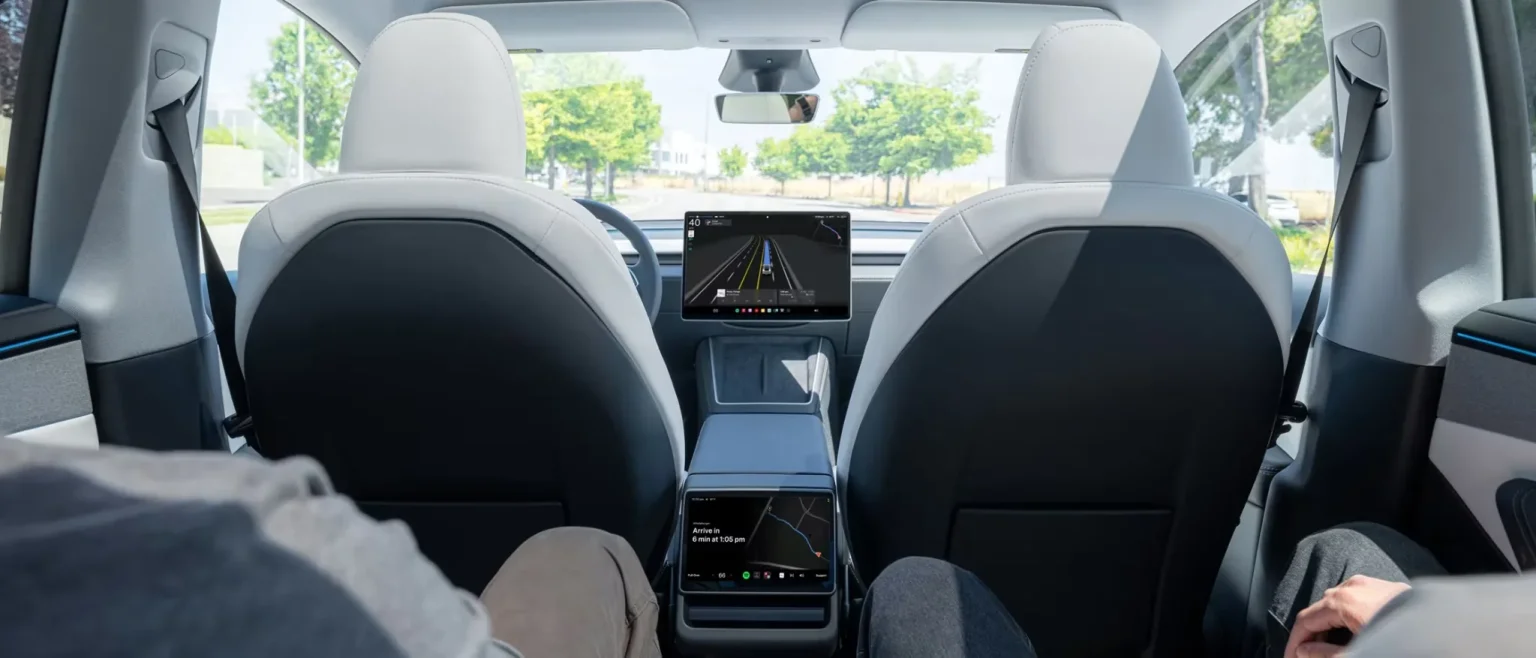
Tesla has received the necessary ride-hailing permit from Arizona regulators this week, marking the final bureaucratic step required for the electric vehicle manufacturer to begin operating a paid robotaxi service in the state.
The Arizona Department of Transportation (ADOT) confirmed that Tesla submitted its application for a Transportation Network Company (TNC) permit on November 13 and met the criteria for authorization by November 17. The TNC designation legally allows Tesla to charge passengers for rides facilitated through its autonomous vehicles.
This permit opens the door for Tesla to enter Arizona’s competitive autonomous vehicle landscape. The state, particularly the Phoenix metropolitan area, has long been a leading center for self-driving technology, dominated primarily by Waymo. Alphabet’s Waymo has been operating a fully commercial robotaxi service in the Phoenix area since 2018, currently covering a large service territory spanning 315 square miles.
Also Read: Tesla Publishes Most Detailed Safety Data Yet After Waymo Co-CEO’s Call for Transparency
In Arizona, a company is required to undergo a self-certification process with ADOT to test autonomous vehicles on public roads, with or without a safety driver. However, operating a commercial service that actively charges for transportation, regardless of whether a human or robot is driving, requires the specific TNC license.
Tesla had signaled its intent to launch operations in the Phoenix Metro area earlier this year, contacting ADOT in June to begin the certification process for autonomous ride-sharing. The company followed up in September by completing the state’s self-certification process for autonomous vehicle testing and operation. Arizona is one of several locations that CEO Elon Musk has identified as key targets for the company’s autonomous taxi expansion.
The move into Arizona contrasts with Tesla’s limited programs elsewhere. In South Austin, Texas, Tesla initiated an invite-only robotaxi pilot in June, though the vehicles still typically carry a human safety operator in the passenger seat. Meanwhile, in California, Tesla currently operates a charter service using employee-driven Model Y vehicles equipped with Full Self-Driving Supervised technology, as it lacks the comprehensive permits required to operate a full, commercial robotaxi service in that state.