



As venture funding remains selective across Africa, alternative capital providers are increasingly stepping in to support growth-stage businesses tackling some of the continent’s most persistent challenges. One of the latest beneficiaries is Powerstove, a Nigerian clean energy company that has secured ₦1.8 billion ($1.2 million) in catalytic debt funding from Cascador.
The funding was announced during Cascador’s 2026 Pitch Day in Lagos, where the entrepreneurship platform deployed more than $5 million in funding across seven African startups operating in sectors including clean energy, agriculture, artificial intelligence, and financial intelligence. Powerstove emerged as one of the largest recipients, receiving a ₦1.8 billion debt facility designed to support its next phase of growth.
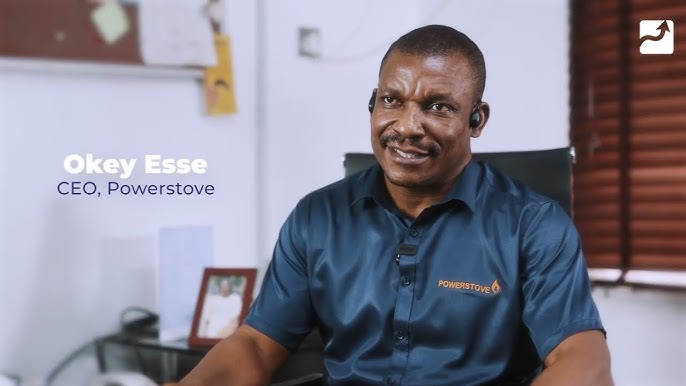
Founded by Nigerian entrepreneur Okey Esse, Powerstove develops clean cooking solutions aimed at reducing reliance on traditional fuels such as firewood and charcoal. The company operates in a market where access to clean and affordable cooking energy remains a significant challenge, particularly across low- and middle-income communities.
The funding arrives at a critical time for the clean cooking sector. According to development agencies and energy researchers, millions of households across sub-Saharan Africa continue to depend on biomass fuels for daily cooking, contributing to environmental degradation, deforestation, and indoor air pollution. Startups like Powerstove are attempting to address these issues through cleaner, technology-driven alternatives that can scale commercially while delivering social impact.
For Powerstove, the new capital provides an opportunity to expand manufacturing capacity, increase market penetration, and strengthen distribution networks at a time when energy affordability remains a pressing concern for many Nigerian households.
The investment also highlights a broader shift in Africa’s startup ecosystem. While venture capital activity has slowed compared to the record funding years of 2021 and 2022, debt financing and blended capital models are gaining traction as founders search for funding options that do not require significant equity dilution.
Cascador’s Catalytic Fund was created specifically to address this gap. Launched in partnership with Sterling Bank, the fund provides tailored financing structures, including debt, equity, guarantees, and collateral suppor, to growth-stage businesses that have demonstrated operational traction but often struggle to access traditional financing channels.
Powerstove’s selection reflects investor confidence not only in the company’s business model but also in the growing importance of climate-focused ventures across Africa. As governments, development institutions, and private investors place greater emphasis on energy access and emissions reduction, clean cooking technologies are increasingly attracting attention as a scalable solution with measurable social and environmental benefits.
The company joins a cohort of startups funded through Cascador’s 2026 deployment cycle, which collectively received approximately ₦7.7 billion ($5.6 million) in catalytic funding. Other recipients included agritech company Agriarche, solar refrigeration startup Koolboks, energy provider First Electric, data intelligence platform Stears, and AI startup Indigenius AI.
For Powerstove, however, the significance of the funding extends beyond the capital itself. In a market where access to patient growth financing remains one of the biggest barriers to scale, the deal offers the company an opportunity to accelerate its mission of making cleaner cooking solutions more accessible to households across Nigeria and potentially beyond.
Whether that translates into broader adoption of clean cooking technology will depend on execution, affordability, and consumer uptake. But the investment underscores a growing belief among funders that climate-focused businesses can deliver both commercial returns and measurable impact in Africa’s rapidly evolving energy landscape.


 English
  简体中文
简体中文  Čeština
  Deutsch (Sie)
  Français


