


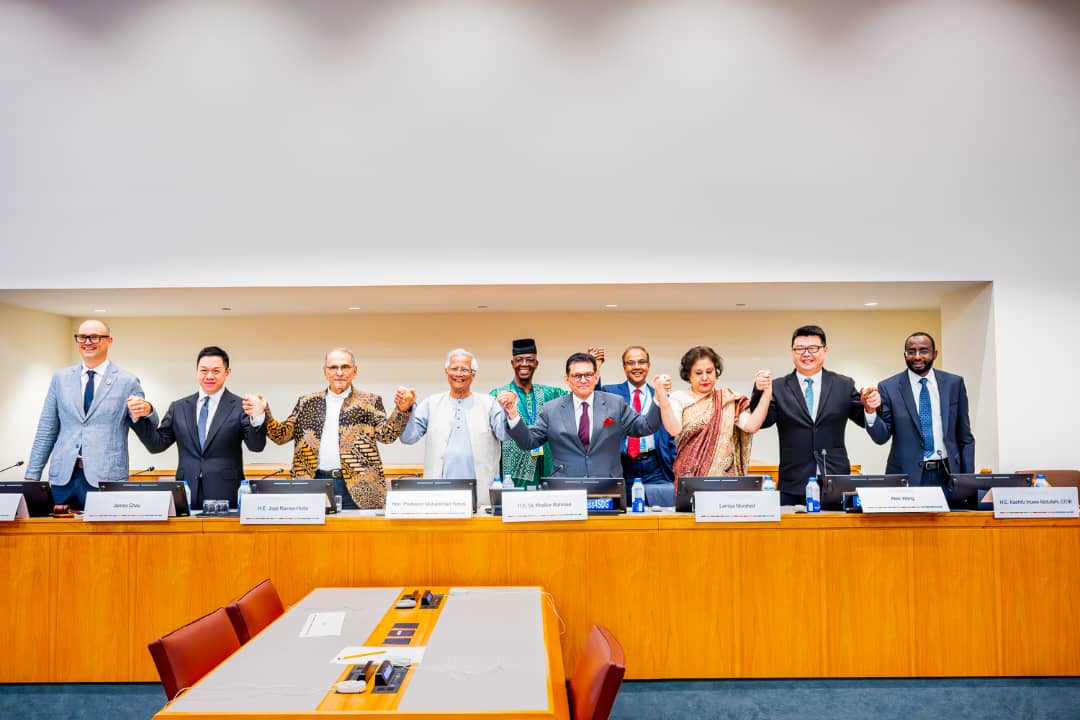
Nigeria has set out a four-pillar approach to building an inclusive artificial intelligence economy during a high-level global dialogue on technology, innovation and social business held on the margins of the 81st United Nations General Assembly.
Kashifu Inuwa Abdullahi, director-general of the National Information Technology Development Agency (NITDA), presented the framework Connect, Skill, Compute and Create as the country seeks to expand connectivity, develop digital skills, strengthen computing capacity and enable more Nigerians to create value from AI.
The approach aims to move beyond simply expanding access to AI tools toward building the infrastructure, talent and local capacity needed for broader participation in the emerging AI economy. Abdullahi argued that global conversations should focus not only on making AI available but on whether people are adequately represented in the technology and have the agency to understand, shape and create value from it.
Four Pillars for Participation
- Connect emphasises expanding digital infrastructure and access.
- Skill prioritises developing the technical talent required to engage with AI systems.
- Compute addresses sovereign computing capacity, data and storage needs.
- Create focuses on enabling entrepreneurs and innovators to develop commercially sustainable solutions to local problems.
The remarks were delivered in a session attended by international political and development leaders, including the president of the 81st UN General Assembly and Nobel Peace Laureate Muhammad Yunus, founder of Grameen Bank and chair of the Global Committee on Social Business for Sustainable Development Goals.
Nigeria’s participation continues a pattern of engagement in global digital and AI discussions. The country has previously launched a National Artificial Intelligence Strategy, pursued large-scale digital skills programmes and invested in fibre infrastructure. The four-pillar framing positions these domestic efforts within a broader conversation about ensuring that digital innovation and AI contribute to sustainable development rather than deepening existing divides.
Implementation of the framework will depend on continued policy coordination, investment in infrastructure and skills, and the ability of local innovators to translate access into practical value creation.