


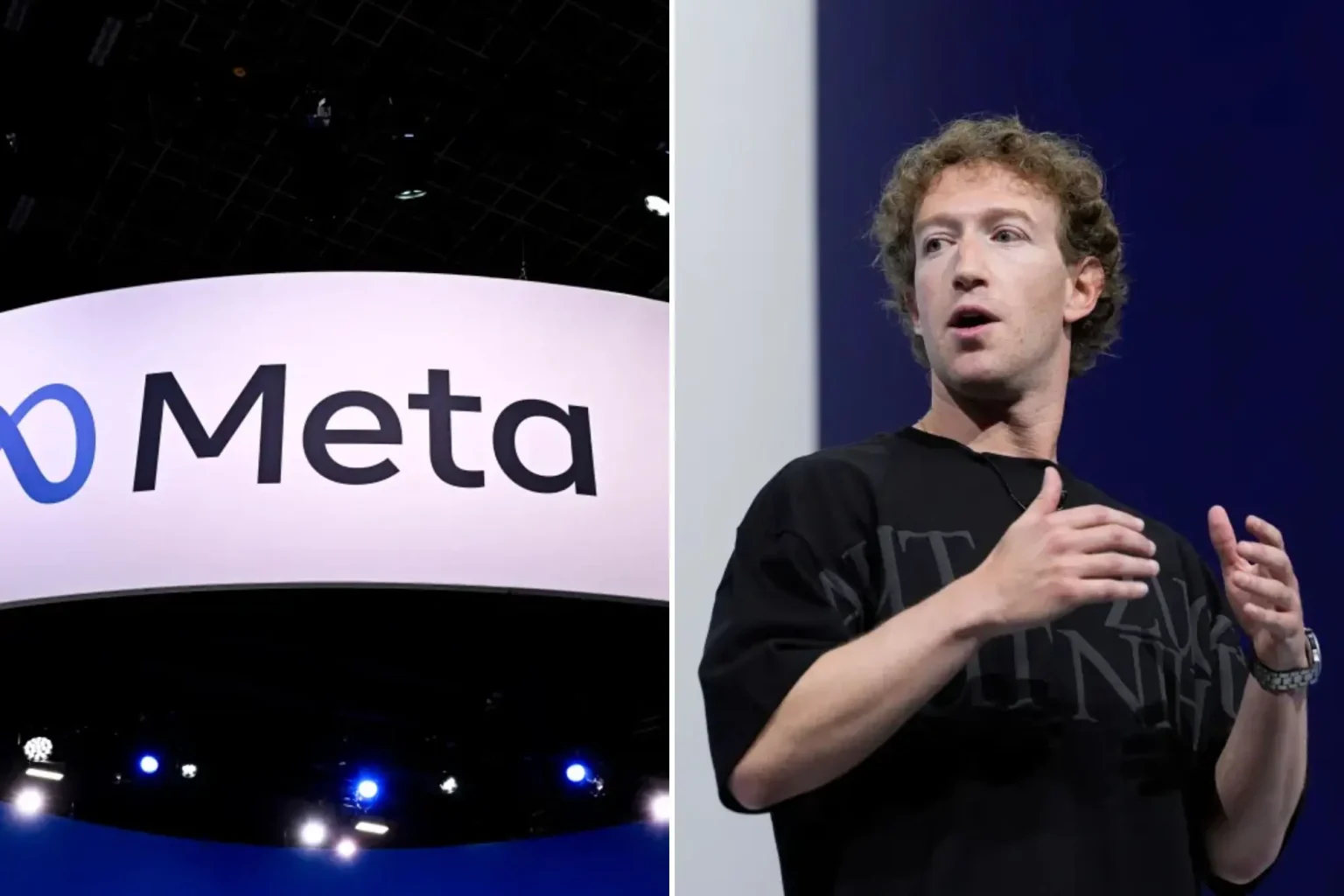

Meta Platforms cut approximately 700 jobs on March 25, 2026, just one day after unveiling a new long-term stock incentive plan that could deliver enormous payouts to six of its top executives.
The layoffs affected multiple teams, with noticeable impact on Reality Labs (Meta’s mixed-reality division), recruiting, sales, and parts of the core Facebook organization. The reductions come as the company continues its aggressive shift toward artificial intelligence, pouring resources into model development, infrastructure, and what CEO Mark Zuckerberg has described as the pursuit of “superintelligence.”
Hours before the job cuts became public, Meta disclosed a fresh compensation structure for senior leaders including Chief Technology Officer Andrew Bosworth, Chief Product Officer Chris Cox, Chief Financial Officer Susan Li, and others. Under the plan, some executives could receive additional stock awards valued at up to $921 million each over the next five years, but only if Meta achieves exceptionally ambitious performance targets, including significant share price growth tied to hitting a roughly $9 trillion market capitalization by 2031.
Meta has framed the generous equity grants as a retention tool in a fiercely competitive market for AI talent. A company spokesperson described the packages as “a big bet” that will only deliver value if the company delivers massive future success that benefits all shareholders. The awards are heavily performance-based and carry a demanding five-year timeline.
The juxtaposition of the layoffs and the executive incentives has drawn sharp attention. While Meta’s overall headcount remains far below its pandemic-era peak following multiple previous rounds of cuts, the latest trimming reflects ongoing efforts to reallocate resources toward AI priorities. At the same time, the company is spending billions on data centers, chips, and top-tier AI researchers.
This is not the first time Meta has faced scrutiny over the contrast between workforce reductions and rich executive rewards. Similar patterns played out during earlier efficiency drives, though the scale of the potential executive payouts this time stands out even by Big Tech standards.
For the broader industry, the episode highlights the intense pressure hyperscalers face. AI development demands enormous capital expenditure and elite talent, forcing tough choices about where to invest, and where to cut. Meta’s approach suggests it is willing to accept short-term pain in certain areas to double down on what it sees as the defining technological shift of the decade.
Whether the new stock plan successfully retains key leaders and drives the performance needed to justify such rewards remains to be seen. For the 700 employees affected this week, the timing adds another layer of difficulty to an already challenging period in Silicon Valley.
Meta has not yet commented publicly on the specific number of layoffs or provided details on severance packages, though such rounds typically include support and transition assistance.





 English
  简体中文
简体中文  Čeština
  Deutsch (Sie)
  Français


