

Zimbabwean fintech SoshoPay is enabling banks and microfinance institutions to lend more confidently to small and medium enterprises (SMEs) by using access to clean energy as a reliable proxy for creditworthiness.
Founded in 2022 by Simbarashe Gwenzi and Shirley Gwenze, SoshoPay operates as a fintech and data platform that connects asset financing (mainly solar energy solutions) with real-time usage and repayment data. This approach helps formal financial institutions overcome one of the biggest barriers to serving the informal sector: lack of traditional credit history and collateral.
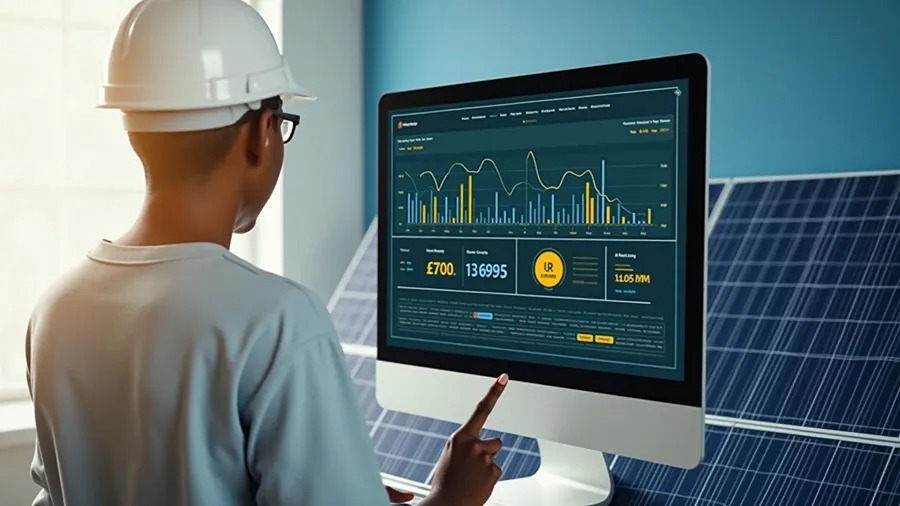
Many SMEs in Zimbabwe and across Africa operate informally, making it difficult for banks to assess risk. SoshoPay addresses this by financing essential productive assets particularly solar energy systems and solar-powered equipment and using IoT (Internet of Things) sensors to monitor real-time energy usage and repayment behaviour.
This data creates a continuous, verifiable credit signal. When an SME makes consistent payments for its solar system and uses the energy productively, it builds a digital repayment history that banks can trust. The energy asset itself effectively serves as collateral while also improving the business’s productivity by solving chronic power outages.
“SoshoPay was created to address this by using energy access as a proxy for creditworthiness,” Gwenzi explained. “By financing essential solar assets and tracking real-time energy usage and repayment behavior, the platform converts everyday business activity into reliable, continuous data that lenders can trust.”
The model is showing promising results. Through partnerships with institutions such as the Zimbabwe Microfinance Fund and YEC Fund, SoshoPay has facilitated over $720,000 in credit to more than 600 small businesses. The platform has achieved a 98% recovery rate, significantly higher than traditional unsecured lending in the informal sector.
Beyond individual solar systems, SoshoPay is also deploying modular solar nanogrids (5–40kVA) to serve clusters of small businesses, creating “virtual solar grids” that power multiple enterprises while generating rich performance data.
For banks and microfinance institutions, SoshoPay reduces lending risk, lowers monitoring costs, and improves loan recovery without requiring them to overhaul their existing systems. For SMEs, the model provides access to both clean, reliable energy and working capital in one integrated solution, helping them stay productive despite Zimbabwe’s challenging power supply situation.
The company generates revenue through platform fees, subscription charges, and per-asset usage fees paid by its financial partners.
SoshoPay is currently focused on Zimbabwe but has expansion plans across Southern and East Africa, including South Africa, Zambia, Mozambique, Malawi, Uganda, and Tanzania.
By turning energy access into a powerful data asset, SoshoPay is helping to close the massive SME financing gap in Africa while accelerating the adoption of clean energy a rare model that delivers both financial inclusion and climate impact.