



Google, Tesla, and a handful of other heavy hitters in tech and energy just launched a new coalition called Utilize, and their core message is blunt: the way we’ve been running the electrical grid for decades is inefficient, wasteful, and increasingly unsustainable.
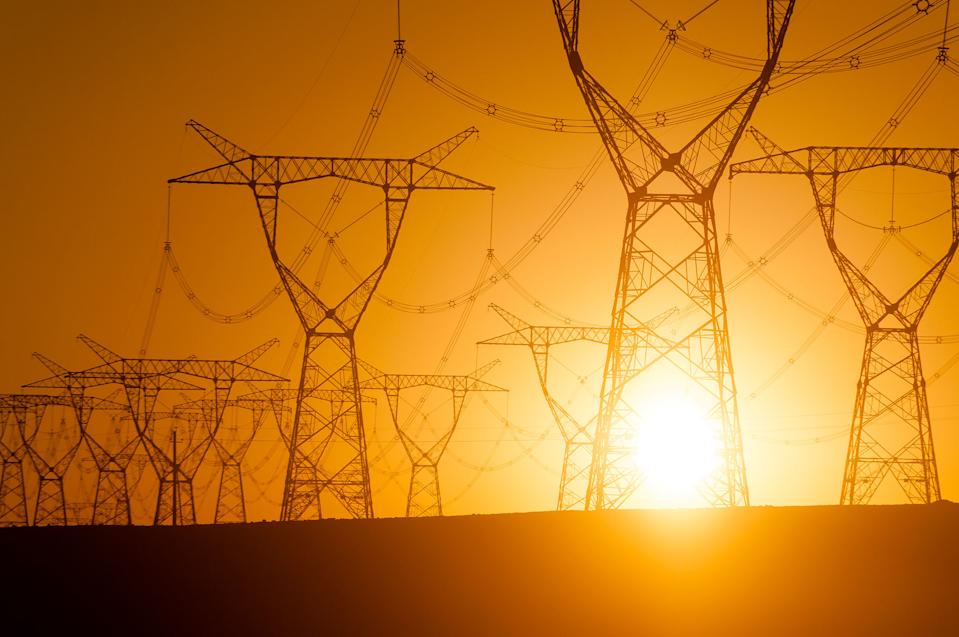
Announced on March 10, 2026, the Utilize coalition argues that the U.S. power grid, engineered over a century ago to handle rare spikes in demand, spends most of its time sitting idle with massive underused capacity. Transmission lines often operate at just 18% to 52% of their potential, according to a recent Stanford University study the group cites. It’s like owning a fleet of airplanes that only fly full a few times a year while the rest gather dust on the tarmac.

The coalition, which includes Google (with its voracious data center appetite), Tesla (pushing batteries, virtual power plants, and vehicle-to-grid tech), data center builder Verrus, air-conditioning giant Carrier, home-energy firm Renew Home, electric panel maker SPAN, and deployment services company Sparkfund, isn’t shy about calling for systemic change. They want regulators, utilities, and state lawmakers to rethink how the grid is planned, built, and operated, prioritizing smarter utilization over endless new builds.
“For decades, we’ve built the grid to meet peak demand, even though large portions of it sit unused for most hours of the year,” said Utilize Executive Director Ian Magruder in a statement. The pitch: unlock that spare capacity with proven technologies like large-scale battery storage, demand-response programs that shift usage away from peaks, and virtual power plants that aggregate distributed resources (think thousands of home batteries and EVs acting in concert).
Why now? The timing isn’t coincidental. AI-driven data centers from Google, Microsoft, Amazon, and others are projected to drive explosive electricity demand growth, some estimates put U.S. data center power needs doubling or tripling by 2030. Focusing on affordability along with electricity reliability and speed, as detailed in their exclusive Axios briefing , meanwhile, is scaling its Megapack business and integrating more bidirectional charging capabilities into its ecosystem. Both companies face mounting pressure over energy costs: soaring rates tied to grid upgrades, public scrutiny of AI’s carbon footprint, and, in Tesla’s case, the need to make renewables and storage economically compelling at scale.
The coalition’s goals sound pragmatic on paper. They plan to lobby for policy shifts that accelerate adoption of these “non-wires alternatives”, cheaper, faster ways to relieve congestion without stringing new high-voltage lines across landscapes. Focus areas include affordability (to keep bills from spiking), reliability (avoiding blackouts amid rising demand), and speed (getting clean energy online quicker). It’s a buy-side push: big consumers of power arguing that the current regulatory model, which often rewards utilities for capital-intensive builds, disincentivizes efficiency gains.
Critics might see self-interest here, and they’re not wrong. Google and Verrus need reliable, affordable megawatts to fuel AI training clusters. Tesla wants more grid-friendly rules to boost its energy division and make EVs part of the solution rather than another strain. The coalition frames it as a broader public good: lower costs for everyone, less need for disruptive infrastructure projects, and faster decarbonization. But skeptics on platforms like LinkedIn and X have already pointed out the irony of private giants critiquing a “public sector” grid while promoting proprietary solutions that play to their strengths.
The grid’s fundamental design hasn’t changed much since the early 20th century: supply must match demand in real time because storage was expensive and limited. That peak-oriented planning made sense when load was predictable and mostly industrial/residential. Today, with intermittent renewables dominating new generation and hyperscale loads swinging wildly, the old model creaks.
Utilize isn’t the first to highlight this mismatch, utilities, regulators, and groups like the Edison Electric Institute have been wrestling with “non-wires” options for years. But the entry of Google and Tesla brings serious lobbying muscle and public visibility. If they succeed in shifting incentives toward utilization over expansion, it could reshape how we invest in the grid for the AI-and-EV era.
Whether this coalition sparks real regulatory reform or fizzles into another industry talking shop remains open. For now, though, the message is clear: in a world racing toward electrification and compute intensity, treating the grid like a peak-only asset is no longer tenable. The coalition is betting that smarter management, not just more wires, is the path forward. And with their combined influence, they’re not whispering the idea; they’re shouting it.






 English
  简体中文
简体中文  Čeština
  Deutsch (Sie)
  Français


