



Airtel Africa has posted tangible progress in curbing its environmental footprint, cutting diesel use by 9.1 million litres in the 2025/26 financial year as it shifts more of its extensive network of base stations onto reliable grid electricity.
The reductions, detailed in the company’s Sustainability Report 2026, come as the pan-African operator active in 14 markets balances aggressive network expansion with mounting pressure to contain energy costs in a region where unreliable electricity grids have long forced reliance on diesel generators.
Over the reporting period, Airtel converted more than 950 infrastructure sites from off-grid to on-grid power, nearly doubling the 500 sites shifted the previous year. This contributed to a total of more than 21,500 grid-connected sites out of a portfolio exceeding 40,300 assets. Complementary measures, including the deployment of lithium-ion batteries and improved cooling systems, supported the diesel savings.
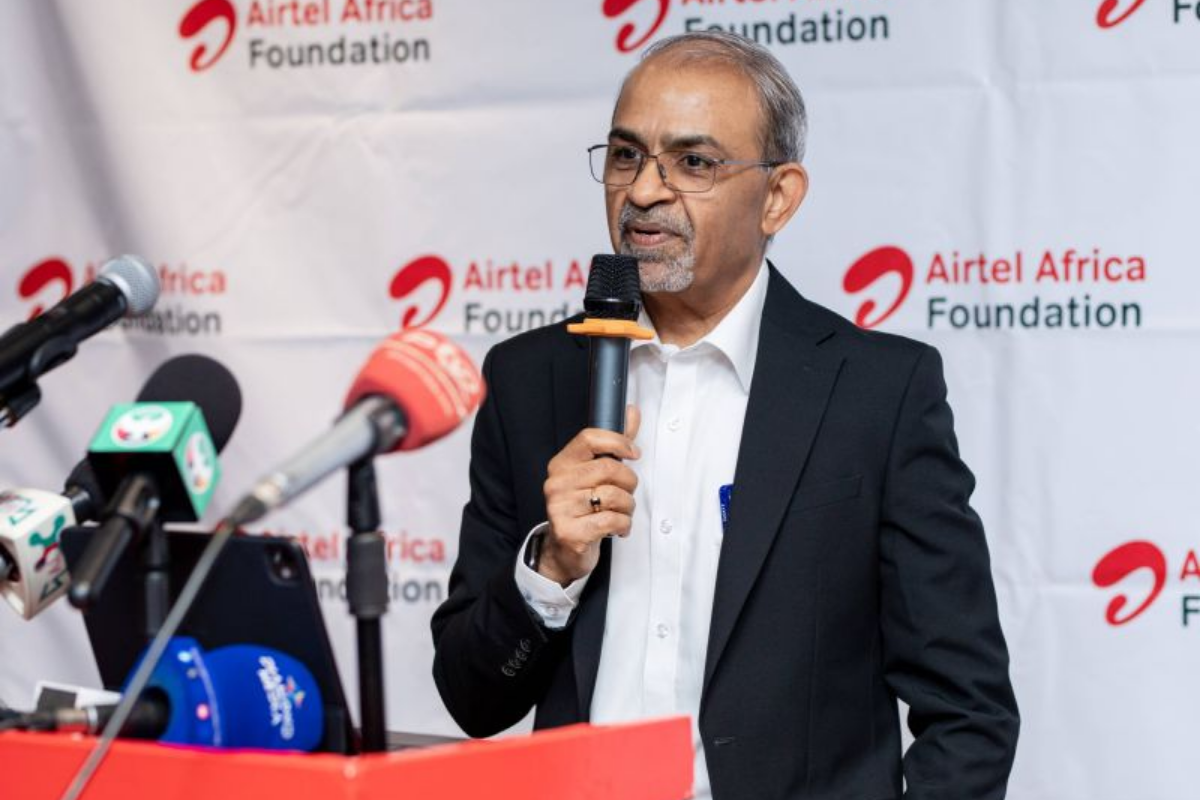
Sunil Taldar, CEO of Airtel Africa, framed the moves in operational and strategic terms. “By improving energy efficiency and reducing reliance on diesel, we’re strengthening operational resilience while supporting long-term sustainable growth,” he said.
The effort aligns with industry-wide realities. Across sub-Saharan Africa, telecom towers frequently depend on diesel in areas with weak or absent grid power, where fuel can account for 30-60% of operating costs at individual sites. Nigeria, one of Airtel’s key markets, has seen operators collectively consume tens of millions of litres monthly, exposing them to volatile global fuel prices, logistics challenges, and foreign exchange pressures.
Airtel’s Scope 1 and 2 emissions reached 136,133 tonnes of CO₂-equivalent in 2025/26, a modest 1.6% increase year-on-year despite network growth. Emissions intensity, however, has fallen 20% against a 2022 baseline, putting the company on track for its 2032 target of a 62% reduction. It also recycled 94% of operational waste, up from 93% the prior year.
The sustainability gains occurred alongside robust commercial performance. Airtel Africa ended the year with 183.5 million mobile customers, up 10.5%, and expanded its infrastructure to 40,378 sites, adding more than 3,250 during the period. Data usage and mobile money continued to drive growth, with Airtel Money customers reaching 54.1 million.
This dual focus expanding coverage while moderating energy intensity reflects the particular economics of African telecoms. Reliable connectivity powers economic activity and digital inclusion, yet the infrastructure enabling it has historically been carbon-intensive. Off-grid or weak-grid sites remain common, especially in rural areas where population coverage goals clash with grid limitations.
Airtel’s approach mirrors moves by peers. Tower companies and operators across the continent are testing hybrid solar solutions, energy service company (ESCO) models, and battery storage to reduce diesel runtime. In some cases, partnerships with towercos include contractual incentives for renewable integration. Airtel has engaged in such arrangements, including lease renewals with partners that incorporate renewable targets.
Challenges persist. Grid availability can fluctuate sharply as seen in past droughts affecting Zambia forcing temporary reliance on backups. Capital requirements for broader renewable deployment remain significant, even as diesel price volatility makes the case for alternatives stronger.
Telecom operators in Africa occupy a complex position: essential enablers of growth in markets with low banking penetration and digital divides, yet contributors to emissions in regions already vulnerable to climate impacts. GSMA analyses have highlighted how diesel dependency inflates costs and emissions, particularly as data demand and 4G/5G rollout increase power needs.
Airtel’s progress on diesel reduction coincides with broader digital inclusion efforts. Through its partnership with UNICEF, the company connected 3,043 schools to free internet by March 2026, up from 2,176 the year before. Women now represent 29.9% of its workforce, a slight increase.
For investors and policymakers, the story underscores a maturing approach to ESG in African telecom. Sustainability is no longer peripheral but integrated into cost management and resilience strategies. As operators scale networks to meet rising data consumption Airtel’s data revenue has grown strongly controlling energy variables becomes a competitive differentiator.
Analysts note that successful transitions could ease pressure on margins while appealing to capital markets increasingly attuned to climate metrics. Airtel’s emissions intensity improvements, even amid expansion, suggest disciplined execution is possible.
Looking ahead, the company is expected to continue site conversions, hybrid deployments, and efficiency measures as it guides higher capital expenditure for network densification and fibre expansion. The trajectory will test whether such gains can accelerate further against macroeconomic headwinds and uneven grid development across its footprint.
In a sector where connectivity and climate resilience increasingly intersect, Airtel Africa’s latest results illustrate how targeted operational shifts can yield both environmental and business benefits a balance many operators will need to strike as Africa’s digital economy expands.


 English
  简体中文
简体中文  Čeština
  Deutsch (Sie)
  Français


