


Anthropic has confirmed it will take the U.S. Department of Defense to court over its designation as a “supply-chain risk” to national security, a label applied on March 4, 2026, after contract talks collapsed. The company received formal notification from the Pentagon (now rebranded as the Department of War under Secretary Pete Hegseth), triggering the first-ever public use of this authority against a U.S.-based firm.
The conflict stems from negotiations for a classified deployment of Claude in DoD networks. Anthropic demanded safeguards against mass domestic surveillance of U.S. citizens and fully autonomous weapons without human oversight. The Pentagon insisted on unrestricted “any lawful use” language, citing military necessity. When no compromise emerged, President Trump directed all federal agencies to stop using Anthropic technology, followed by Hegseth’s risk designation, typically reserved for foreign adversaries like Huawei or Kaspersky.
Read more: Anthropic CEO Dario Amodei Calls OpenAI Military Deal Messaging ‘Straight Up Lies’
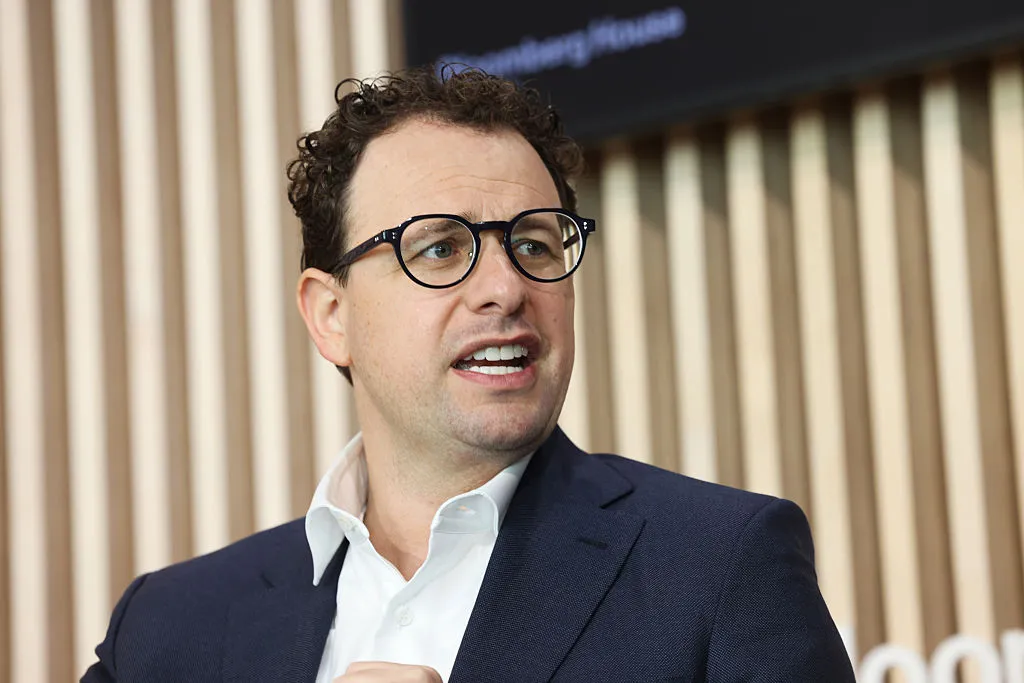
Anthropic CEO Dario Amodei addressed the move in a March 5 blog post: “We do not believe this action is legally sound, and we see no choice but to challenge it in court.” The company argues the label exceeds the scope of 10 U.S.C. § 3252 (limited to protecting DoD contracts) and cannot legally restrict non-DoD commercial activity or force contractors to drop all ties. Amodei emphasized that the designation’s narrow statutory language protects government interests without punishing suppliers broadly.
Legal observers see grounds for a challenge. The supply-chain risk framework grants wide discretion on national security grounds, but applying it punitively to a domestic company for ethical contract refusals, without evidence of espionage or sabotage, raises due process, First Amendment, and administrative law concerns. Experts note the unprecedented nature: no prior public use against a U.S. entity, potentially making it vulnerable in federal court (likely D.C. Circuit).
Immediate effects include defense contractors beginning to phase out Claude, shifting to alternatives like OpenAI’s models (which secured a classified DoD deal soon after). Tech workers circulated an open letter urging reversal, citing innovation risks. The designation’s scope remains contested, Anthropic clarified it only bars direct DoD contract use, not broader commercial relationships.
The case tests government leverage in AI partnerships. Anthropic maintains its red lines protect democratic principles and refuses compromise under pressure. For commercial users outside DoD (including Nigerian developers or enterprises in Lagos using Claude for apps, research, or productivity), the label has no direct impact, it’s Pentagon-specific, but the precedent could influence global AI-military dynamics and supplier-government negotiations.
As litigation looms, the outcome may reshape rules for ethical boundaries in frontier AI. In a landscape where U.S. AI leadership is tied to geopolitical strategy, this clash between safety-focused labs and military demands could define the future of responsible AI deployment.






 English
  简体中文
简体中文  Čeština
  Deutsch (Sie)
  Français


