


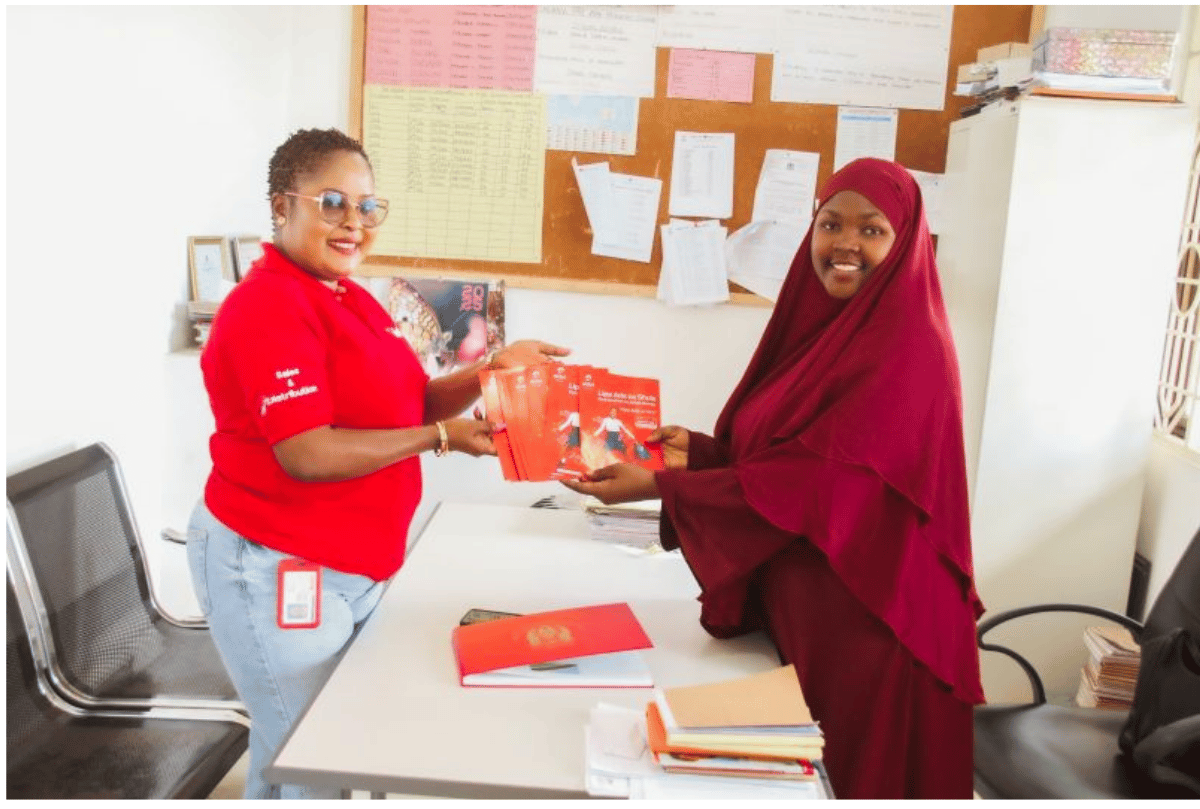
Airtel Money School Pay has expanded its reach to more than 800 schools across 16 regions in Tanzania, accelerating the shift toward digital fee payments in the education sector. The service allows parents to pay school fees directly from their mobile phones while enabling schools to receive secure, real-time payments and automatic transfers into their bank accounts.
Airtel Tanzania has set a target of connecting 1,000 schools annually through the platform as part of its broader push for digital inclusion and cashless transactions under the “Airtel Kila Kona” initiative.
Parents and guardians can complete fee payments via USSD or the MyAirtel App without visiting school offices or banks. Schools gain access to real-time transaction records, improved reconciliation and reduced risks associated with cash handling. The platform also incorporates school management tools, including fees tracking, student records and basic accounting modules, which are provided at no additional cost to participating institutions.
The service builds on earlier integrations that link Airtel Money with school billing systems, making it easier for private and other schools to digitise collections. Early adopters have cited faster confirmation of payments and better financial visibility as key benefits.
Tanzania’s mobile money market continues to expand rapidly, with high levels of account activity and growing use of digital payments for everyday transactions, including education-related costs. Airtel Money has been scaling its agent network and product suite to support financial inclusion, particularly among families and small institutions that previously relied heavily on cash.
By focusing on school fee payments, Airtel Money School Pay addresses a high-volume, recurring use case that affects large numbers of households each term. The expansion to more than 800 schools signals rising adoption among education providers seeking more efficient and transparent collection methods.
Airtel Tanzania continues to promote the service as a practical tool that reduces queues, improves security and supports better financial management for both schools and parents. Further growth toward the 1,000-school annual target will depend on continued onboarding of institutions and sustained uptake by fee-paying families across the country.