


NVIDIA’s biggest event of the year kicked off this week in San Jose, and the message from CEO Jensen Huang was unmistakable: the AI buildout isn’t slowing down, it’s accelerating into a new phase dominated by inference, agentic systems, and physical AI.
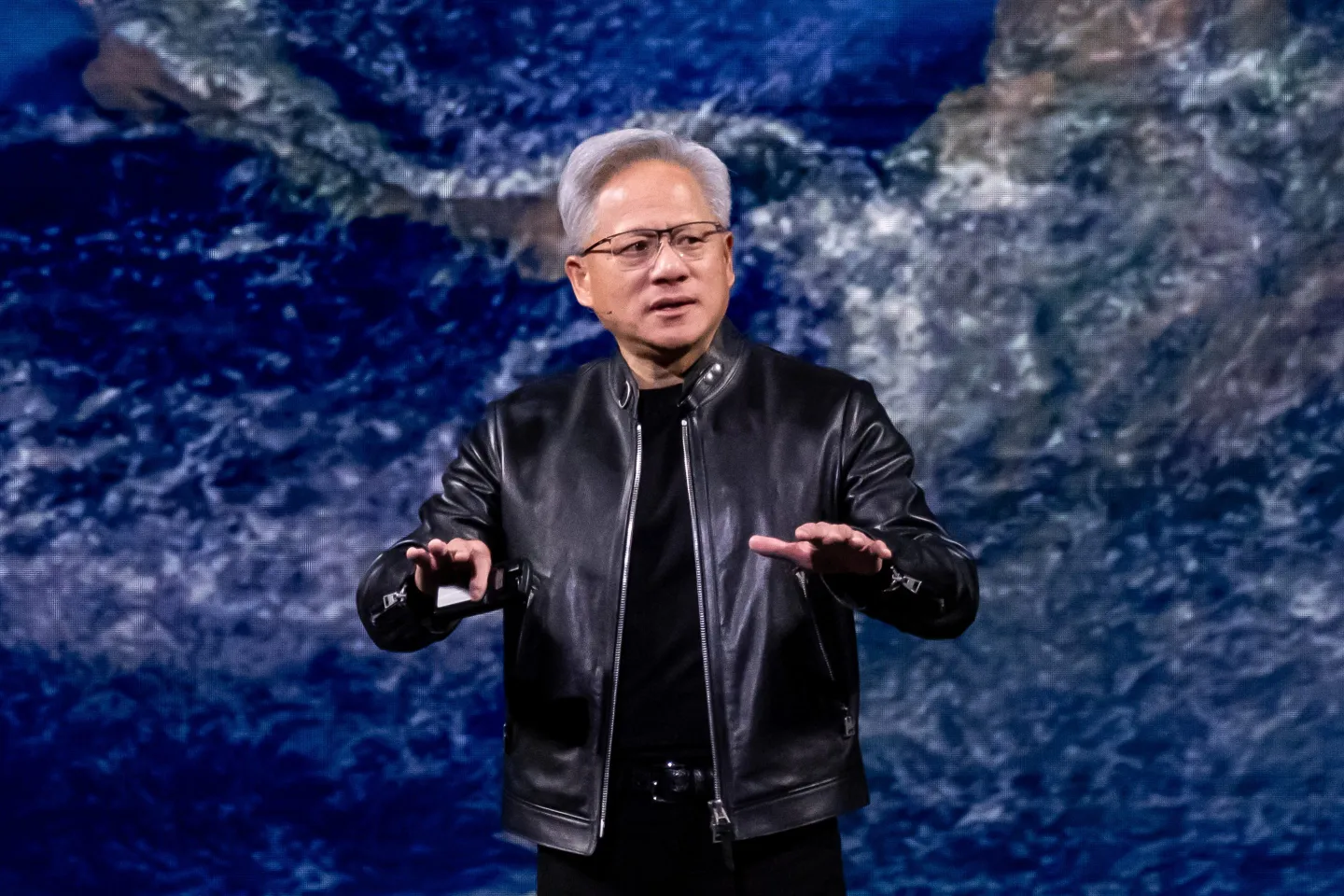
GTC 2026 runs March 16–19 at the San Jose McEnery Convention Center (with a strong virtual track). Huang’s nearly three-hour keynote on March 16 set the tone. Speaking to a packed SAP Center crowd, he projected that orders for Blackwell and the upcoming Vera Rubin systems will hit $1 trillion through 2027, double the previous guidance and a clear signal that hyperscalers and enterprises are locking in capacity years ahead.
Watch the full keynote replay here: NVIDIA GTC Keynote 2026 or on the official keynote page.
The Big Hardware Leap: Vera Rubin and Beyond
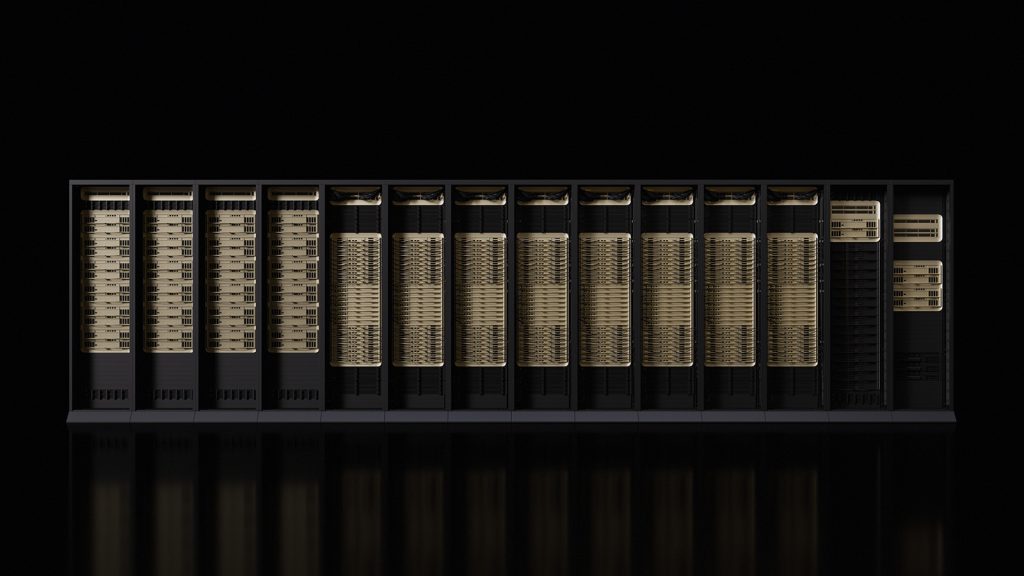
The star of the show was the Vera Rubin platform, NVIDIA’s next full-stack architecture after Blackwell. Huang positioned it as a massive leap in inference efficiency, promising up to a 10x reduction in cost per token compared to current systems. The platform includes multiple new chips and rack-scale designs, with production ramping in late 2026.
Looking further out, NVIDIA teased the Feynman architecture, complete with a new CPU called Rosa (named after Rosalind Franklin). The roadmap underscores Huang’s long-held view that computing demand is growing exponentially and that NVIDIA intends to own the full stack, from chips and networking to orchestration and simulation.
For more on Vera Rubin, see NVIDIA’s official announcement: NVIDIA Vera Rubin Platform.
Inference Takes Center Stage
For years, training grabbed the headlines. At GTC 2026, Huang declared that “the inference inflection has arrived.” Much of the keynote focused on moving AI from experimentation to production workloads, where agents don’t just answer questions, they plan, act, and iterate autonomously.
NVIDIA introduced tools around agentic AI, including updates to its Nemo framework and new orchestration layers. Partnerships highlighted real-world traction: integrations with companies like OpenClaw, autonomous driving efforts with Uber, and even Disney’s Imagineering lab, which showed off a lifelike animatronic Olaf robot powered by NVIDIA Jetson hardware.
Physical AI and robotics emerged as a major theme, with demonstrations spanning industrial automation, healthcare (via projects like Cosmos and GR00T), and consumer-facing applications. The vision: AI agents and embodied systems that operate in the real world, not just on servers.
Browse the full session catalog here: GTC 2026 Session Catalog.
Also read: NVIDIA GTC 2026 Keynote: Everything Jensen Huang Announced
Market Reaction and What It Means
Wall Street’s initial reaction was mixed, the $1 trillion figure, while eye-popping, represents backlog and orders rather than guaranteed near-term revenue. Still, NVIDIA shares rose in after-hours trading following the keynote as the long-term roadmap reinforced dominance in the AI infrastructure race.
The event also featured over 1,000 sessions, hands-on labs, and an expo floor buzzing with partners rolling out AI-ready workstations, new DGX systems for on-prem inference, and vertical solutions for finance, retail, and healthcare.
GTC has evolved from a developer conference into the de facto Super Bowl of AI, a place where NVIDIA doesn’t just announce chips but sets the narrative for the entire industry. This year’s emphasis on moving from “promise to production” and extending leadership from training into inference and agents shows a company doubling down on its platform moat.
With the conference still running through Thursday (including a special panel moderated by Huang himself on Wednesday), expect more announcements on software, ecosystem partnerships, and startup showcases. For anyone building in AI, whether at a hyperscaler, enterprise, or startup, the next few days in San Jose (and the livestream replays) will be required viewing.
Catch all the latest updates and on-demand sessions on NVIDIA’s GTC page: www.nvidia.com/gtc/.
The age of AI isn’t just coming. According to NVIDIA, the factories to power it are already being ordered at unprecedented scale.