


For a long time, Africa’s startup ecosystem has preferred the language of collaboration. Founders support each other. Startups congratulate one another when they launch new products. At tech events, you often see the same founders speaking together about building the future of Africa’s digital economy, but markets are not built on friendship alone.
After all, as the African proverb goes, “Two ants do not fail to pull a crumb together.”
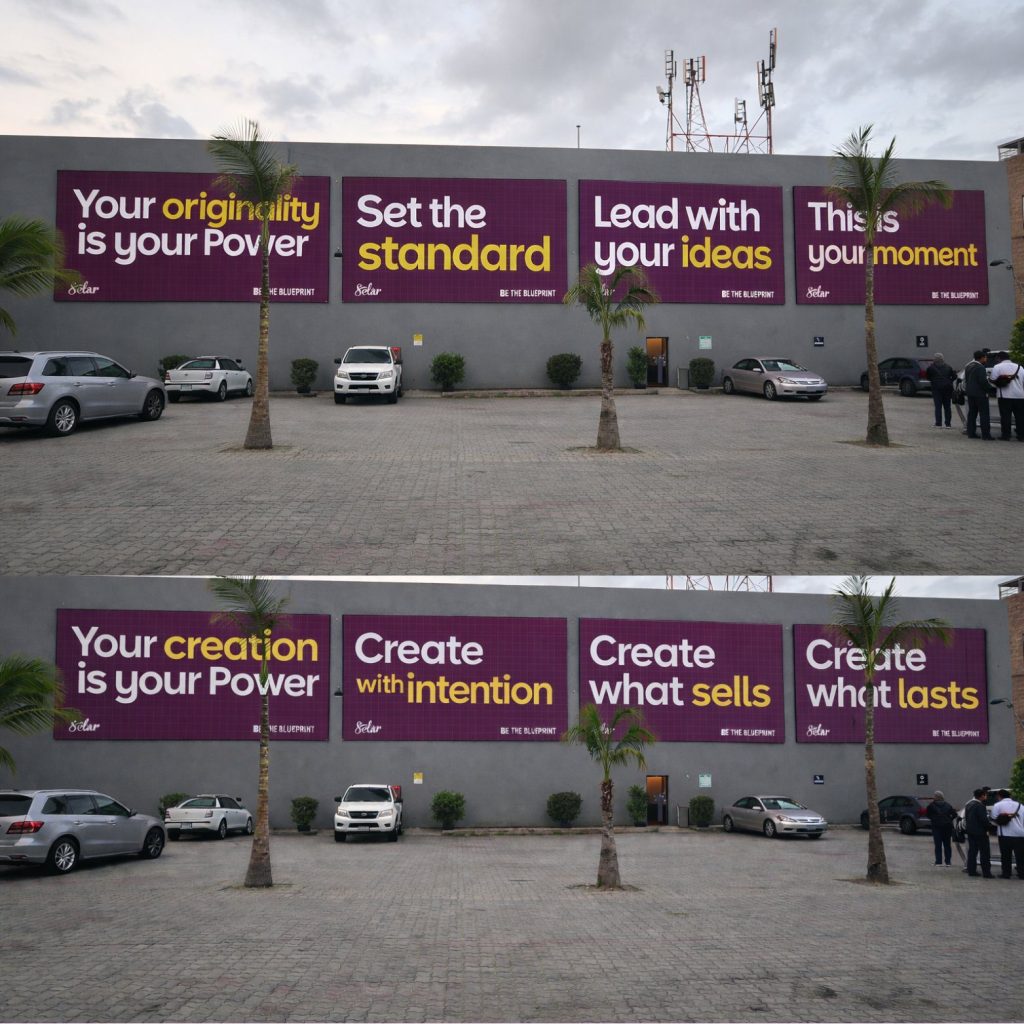
Last week, a marketing campaign by Nigerian creator platform Selar that referenced another startup, Mainstack, started a strong conversation across Nigeria’s tech community. What looked like a simple banner ad quickly turned into a debate about competition, startup culture, and what some people described as “toxic rivalry.”
A banner that got people talking
The campaign from Selar mentioned Mainstack directly. In many tech markets, this kind of marketing is normal. Companies often compare themselves with their competitors to show why their product is better.
But in Nigeria’s startup ecosystem, this does not happen often. Most startups avoid mentioning competitors directly in public. Because of that, the campaign quickly spread across social media. Some people said it was smart marketing. Others felt it was unnecessary and too aggressive. The reactions showed that many people in the ecosystem are still not comfortable with open rivalry between startups.
The bigger market behind the argument
Both Selar and Mainstack are building tools for creators. Creators today are not just posting content online. Many of them are turning their audience into businesses. They sell online courses, digital products, templates, ebooks, and paid communities. Platforms like Selar and Mainstack help them do this.
For example, Selar allows creators to sell digital products and collect payments. Mainstack helps creators build pages where they can share links, sell products, and connect with their audience, this is what people now call the creator economy.
Around the world, platforms such as Gumroad, Patreon, and Substack have built big businesses helping creators earn money online. African startups are now building similar tools for local creators. That means many companies are now chasing the same opportunity.
Why competition is starting to show
As the creator economy grows in Africa, more startups want to become the platform creators depend on. If a platform becomes popular among creators, it can control an important part of the digital economy. It becomes the place where creators sell their work, collect payments, and grow their business, that is a powerful position.
So even though startups may appear friendly on the surface, they are also competing behind the scenes. The Selar-Mainstack moment simply made that competition more visible.
The ecosystem is still learning how to handle rivalry
One reason the debate became so big is because Africa’s startup ecosystem is still young. Many founders know each other. Some share investors. Others work together in the same communities.
Because of this, there is often a culture of cooperation, but as markets grow, competition naturally becomes stronger. Startups building similar products will eventually need to show why their platform is better.
This does not always mean conflict. It simply means the market is becoming more mature.
Creators may benefit from the competition

For creators, competition between platforms can actually be a good thing. When startups compete for users, they usually improve their products faster. They reduce fees, add better tools, and try harder to support their customers. This can give creators more options and better services, but there is also another reality.
African startups like Selar and Mainstack are not only competing with each other. They are also competing with global platforms like YouTube and other international tools that many creators already use.
That makes the challenge even bigger.
A sign that the market is growing
It is easy to see the Selar-Mainstack story as simple startup drama, but it may actually be a sign that something important is happening. Africa’s creator economy is growing. More people are building businesses online. And more startups are building tools to support them, when that happens, competition becomes natural.
Selar does not necessarily need to fight Mainstack. Mainstack does not need to fight Selar, both companies are trying to solve the same problem and serve the same creators.
That alone means they will compete.
The banner ad that revealed a new phase
In the end, the banner ad itself may not matter much, what matters is the conversation it started.
It showed that Africa’s tech ecosystem may be entering a new phase, one where startups are no longer just building together, but also competing more openly for the same opportunities.
And as the creator economy continues to grow, that competition will likely become even more visible. The banner ad simply made that reality clear a little earlier than many expected.