


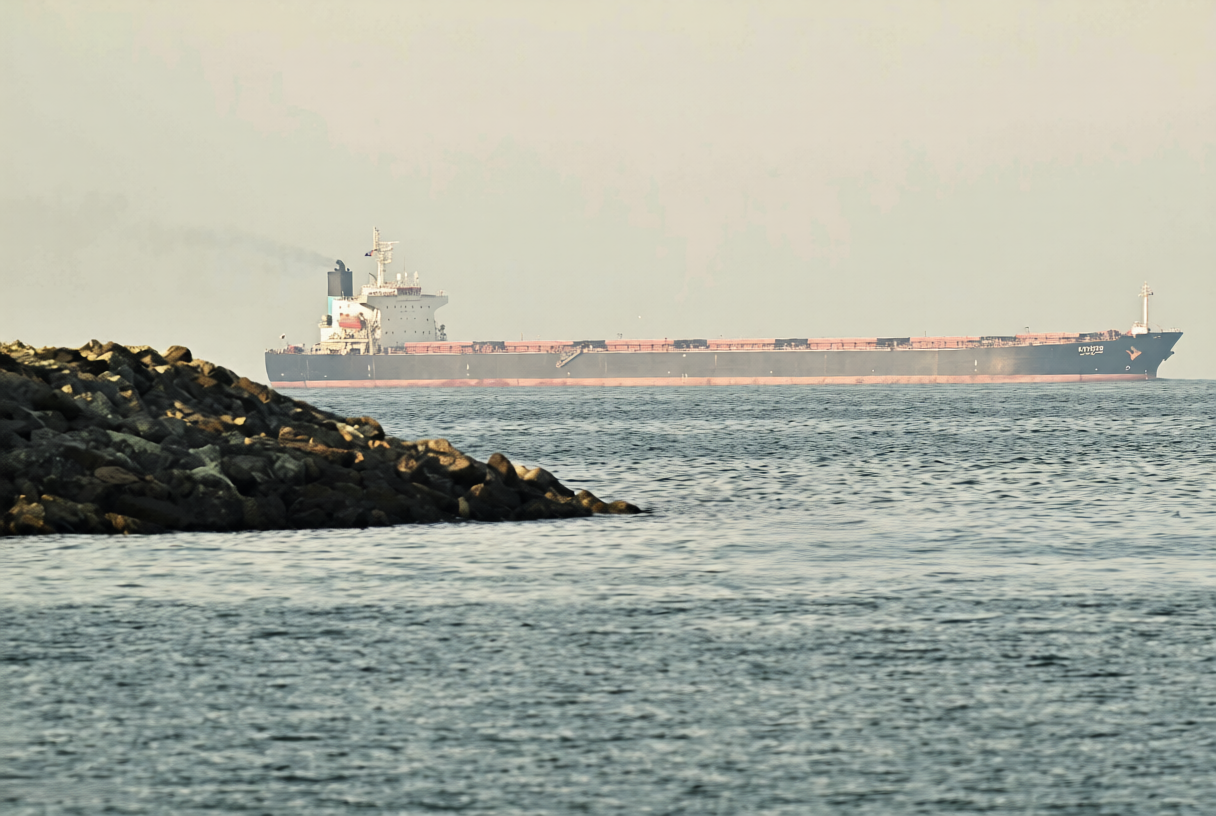

The world’s busiest oil export route is at the centre of a rapidly unfolding crisis that could ripple through global markets and supply chains. In the wake of coordinated strikes by the United States and Israel on Iran, a series of shipping suspensions and maritime warnings has choked vessel traffic through the Strait of Hormuz, a narrow waterway that handles roughly one-fifth of the world’s crude oil and significant liquefied natural gas exports. Within hours of the military offensive late last weekend, Iran’s Islamic Revolutionary Guard Corps issued radio transmissions telling mariners that “no ship is allowed to pass the Strait of Hormuz,” according to European naval mission officials and shipping industry data. Container lines and tankers responded swiftly. Major carriers, including Maersk, Hapag-Lloyd, CMA CGM and MSC, directed vessels to avoid the waterway, shelter in safer ports, or reroute around Africa via the Cape of Good Hope.
Maersk stated that it has suspended all crossings through the strait until conditions stabilise, noting that services calling at Gulf ports would face delays and schedule changes. Hapag-Lloyd and MSC similarly paused transits for safety reasons, and CMA CGM moved vessels out of the Gulf, halting Suez Canal passages and diverting ships south to avoid heightened risk.
The strategic importance of the Strait of Hormuz cannot be overstated. It connects the Persian Gulf to the Gulf of Oman and the Arabian Sea, serving as a chokepoint for about 20 per cent of global petroleum liquids consumption and a significant portion of LNG exports. Any sustained disruption in this corridor immediately tightens energy markets and forces shippers to find longer routes that add days or weeks to voyage times.
Satellite vessel-tracking data showed a stark reduction in ship movements after the strikes, with commercial traffic dropping sharply as companies weighed the risks of transiting hostile waters. Hundreds of oil and LNG tankers, as well as container ships, anchored outside the strait or changed course entirely. Insurance carriers have begun withdrawing coverage for voyages in the region, as underwriters reassess war-risk premiums amid what one market executive described as an “extremely cautious” environment.
The humanitarian impact is already evident. At least three tankers were damaged in the Gulf in the immediate aftermath of the strikes, and crews have been evacuated from some vessels as a precaution. Maritime sources reported that well over 150 tankers were holding position outside the strait, stretching regional port capacity and disrupting normal logistics operations.
Read more: Iran’s Internet Shutdown Now Ranks Among the Longest Ever Amid Ongoing Protests
Beyond energy, container trade is feeling the effects. Ports normally served through Hormuz, including major transhipment hubs in the United Arab Emirates, have adjusted schedules and are bracing for congestion as carriers extend routes around Africa. Extended voyages also mean higher fuel costs and reduced fleet availability, a dynamic that will squeeze logistics budgets globally if the situation persists.
Market reactions were immediate. Oil prices surged as traders responded to the heightened risk of constrained flows. Brent crude reached multi-month highs, and natural gas contracts climbed as producers in the Gulf and beyond reassessed supply expectations. Commodity markets are now factoring in the possibility that disruptions could extend well beyond a few days, especially if diplomatic efforts fail to calm the situation.
Economists and energy analysts warn that even if the strait does not close completely, sporadic attacks or threats could keep traffic constrained. Partial closures or intermittent disruptions are enough to unsettle markets, raising insurance costs and freight rates that ultimately trickle down to consumers. Some analysts have forecast that sustained outages could push oil prices toward psychological thresholds that have significant knock-on effects for inflation and economic growth in importing countries.
Governments and industry groups are scrambling to adapt. Naval advisories from multiple countries caution shipping companies against risky transits, and intelligence sources suggest that alternative routes and naval escorts are being discussed at the highest levels. Diplomats and military officials are engaged in back-channel negotiations aimed at preventing a broader escalation that could draw in other regional actors or major global powers.
The larger geopolitical context is stark. The U.S. and Israeli military action has significantly escalated tensions with Iran, which had already accused Western powers of destabilising the region. Tehran’s retaliatory strikes and warnings to merchant vessels have brought an immediate operational impact to global shipping lanes and raised questions about the prospects for renewed conflict or longer-term instability.
For businesses reliant on the timely delivery of oil, gas and containerised goods, the situation represents more than a temporary disruption. Extended re-routing around Africa carries cumulative costs that could reshape trade patterns if the crisis endures. Governments and corporations alike will be watching closely for signs that diplomatic pressure or military posturing leads to a de-escalation. Until then, global commerce remains on high alert as the Strait of Hormuz crisis continues to unfold.


 English
  简体中文
简体中文  Čeština
  Deutsch (Sie)
  Français


