


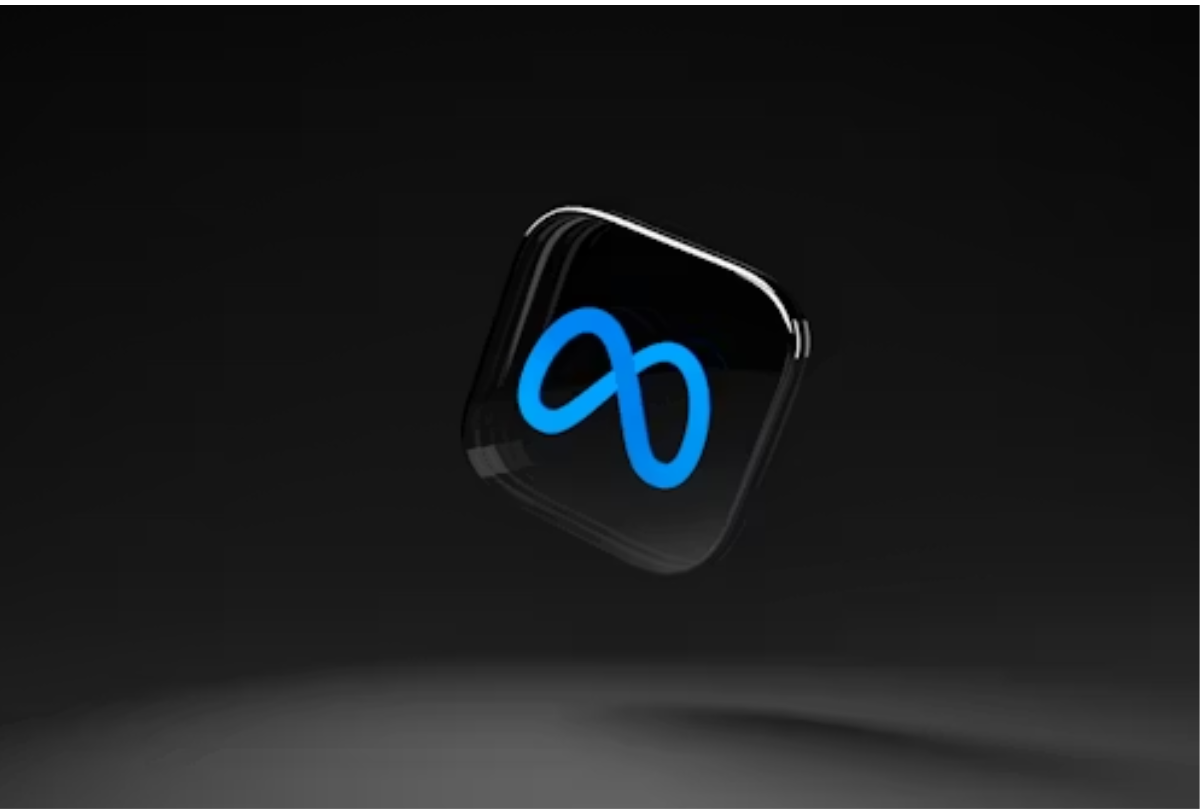

Meta rolled out Muse Spark on April 8, 2026, marking the first major AI model to emerge from its newly formed Meta Superintelligence Labs. The release represents a significant reset for the company’s artificial intelligence efforts after earlier versions of its Llama models drew mixed reviews from users and independent benchmarks.
Developed over the past nine months under Chief AI Officer Alexandr Wang, Muse Spark is described by Meta as a natively multimodal reasoning model. It supports tool use, visual chain-of-thought processing, and multi-agent orchestration, capabilities designed to handle more complex, step-by-step problem solving than previous Meta systems. The model, internally code-named Avocado, is now powering an upgraded version of Meta AI, the company’s conversational assistant.
Users can access Muse Spark immediately through the Meta AI app and at meta.ai. A private API preview is also opening to select partners. In the coming weeks, the model will begin rolling out across Meta’s core platforms, including Facebook, Instagram, WhatsApp, Messenger, and the company’s Ray-Ban Meta smart glasses.
The timing and framing of the launch carry clear strategic weight. After Llama 4 failed to generate the excitement Meta had hoped for, CEO Mark Zuckerberg moved aggressively to rebuild the company’s AI infrastructure. That overhaul included hiring Wang, the former CEO of Scale AI, as part of a broader $14.3 billion investment, along with heavy spending on talent, data pipelines, and new training infrastructure. Muse Spark is the first tangible product of that ground-up rebuild.
According to Meta, the new model delivers strong gains in areas such as scientific reasoning, mathematics, and health-related queries. It is intentionally designed to be small and fast while still delivering competitive performance. Independent evaluations cited by the company show it narrowing the gap with leading frontier models from OpenAI, Anthropic, and Google, particularly on writing and general reasoning tasks. However, Meta has acknowledged remaining performance gaps in areas like advanced coding and certain agentic workflows.
Unlike the openly available Llama series, Muse Spark is a closed-source model for now. It will stay proprietary as it directly powers Meta’s consumer-facing AI experiences. Zuckerberg has indicated that future models in the Muse family could include open-source releases, preserving some continuity with Meta’s earlier philosophy of sharing AI research.
The shift toward a closed approach reflects the intensifying competitive dynamics in consumer AI. With millions of daily interactions already flowing through Meta AI, the company sees an opportunity to embed more capable intelligence directly into the social feeds, messaging threads, and wearable devices where its users already spend their time. Better reasoning and multimodal understanding could translate into more useful features, from smarter content recommendations and image analysis to practical assistance in everyday tasks.
For Meta, the stakes extend beyond individual product improvements. The company has committed tens of billions of dollars to AI infrastructure in recent quarters, part of a broader industry race that has seen capital expenditure soar across big tech. Muse Spark serves as an early test of whether that investment, and the talent overhaul led by Wang, can produce results that resonate with both everyday users and Wall Street.
Analysts reacted positively in the immediate aftermath, with Meta’s shares rising as much as 6.5 percent in trading following the announcement. The model’s performance on public benchmarks, while not claiming outright leadership, suggests Meta has made meaningful progress in closing the capability gap that had widened over the past year.
Still, the real test will come in how users experience the difference. Meta AI has already been integrated deeply into the company’s apps, but many interactions remain relatively surface-level. If Muse Spark can deliver noticeably better reasoning, fewer hallucinations on complex queries, and more seamless tool use, it could help Meta turn its massive user base into a competitive advantage against more specialized AI chatbots.
The launch also highlights a broader shift in Meta’s AI strategy. Where Llama emphasized openness and researcher accessibility, the Muse series appears more focused on building proprietary systems optimized for Meta’s own ecosystem and long-term vision of “personal superintelligence”, AI assistants capable of deeply personalized, high-agency support for individual users.
Meta has described Muse Spark as the first step on a deliberate scaling ladder. The next models in the family are already in development, with each generation intended to validate improvements before pushing further. That methodical approach contrasts with the more rapid, headline-grabbing releases sometimes seen from competitors, but it may prove more sustainable as model sizes and training costs continue to escalate.
For now, the immediate impact is an upgraded Meta AI experience available to hundreds of millions of users across Meta’s platforms. Whether Muse Spark ultimately helps the company reclaim a stronger position in the AI race will depend on how quickly subsequent versions advance and how effectively the technology translates into features that keep users engaged inside the Meta universe.
The announcement arrives at a moment when AI integration into social media and messaging is moving from novelty to expectation. If Meta can make its assistant meaningfully more capable and reliable, it stands to strengthen the stickiness of its apps at a time when attention is increasingly fragmented. Muse Spark is less a flashy breakthrough and more a foundational bet that steady, well-resourced execution can still move the needle in one of tech’s most competitive arenas.


 English
  简体中文
简体中文  Čeština
  Deutsch (Sie)
  Français


