




Introduction
Storytelling is one of the most powerful tools a brand can use to connect with its audience. It’s more than just selling a product—it’s about crafting a narrative that people relate to and remember. Apple is one of the greatest examples of brand storytelling done right.
Apple’s journey from a small garage startup to one of the most valuable companies in the world is not just a business success—it’s a story that has inspired millions. Through emotional storytelling, innovative marketing, and a deep understanding of consumer psychology, Apple has built an identity that people trust and admire.
But how did Apple’s brand storytelling evolve over time? Let’s dive into the transformation of Apple and uncover the secrets behind its success.
The Humble Beginnings of Apple
Apple was born in a small garage in Cupertino, California, in 1976. It was founded by two young tech enthusiasts—Steve Jobs and Steve Wozniak. Their goal? To create personal computers that could be used by everyday people, not just tech experts.
Back then, computers were large, expensive, and mostly used by big corporations. Apple wanted to change that by making computing personal and accessible. The first product, the Apple I, was a simple yet revolutionary machine that set the foundation for Apple’s journey.
But Apple’s real magic wasn’t just in its technology—it was in the story Jobs and Wozniak told. They weren’t just selling computers; they were selling the idea of challenging the status quo and thinking differently. This message would later become the backbone of Apple’s brand identity.
Apple’s Early Challenges and Failures
Apple’s early days weren’t all smooth sailing. After the initial success of the Apple I and Apple II, the company faced serious struggles.
The launch of the Macintosh in 1984 was groundbreaking, with its user-friendly graphical interface and the now-iconic “1984” Super Bowl commercial. However, despite the hype, sales didn’t meet expectations. Internal conflicts within Apple’s leadership led to Steve Jobs being forced out of the company in 1985.
Without Jobs, Apple struggled. The company released multiple products, but none made a significant impact. By the mid-1990s, Apple was on the brink of collapse, losing market share to competitors like Microsoft. It seemed like Apple’s story was coming to an unfortunate end.
The Return of Steve Jobs: A Story of Redemption
In 1997, Apple made a bold move—it brought Steve Jobs back as CEO. Jobs wasted no time in making radical changes. He cut unnecessary products, refocused the company on innovation, and launched a series of new ideas that would redefine Apple’s identity.
The real turning point was the launch of the iMac in 1998. With its colorful, futuristic design and user-friendly interface, the iMac wasn’t just a computer—it was a statement. Apple was back, and it was different from everything else on the market.
Jobs also introduced a new marketing approach that emphasized storytelling. The “Think Different” campaign was more than an ad—it was a movement. It celebrated rebels, innovators, and people who dared to challenge norms. This emotional connection helped Apple rebuild its brand and create a loyal following.
The iPod Revolution: Redefining Music Consumption
Apple’s true revolution came in 2001 with the launch of the iPod. Before the iPod, carrying music meant bulky CD players and stacks of CDs. Apple changed the game with a simple but powerful message: “1000 songs in your pocket.”
This wasn’t just about a new gadget—it was about freedom, convenience, and a new way to experience music. Apple’s storytelling transformed the iPod from a tech product into a cultural icon. With the help of iTunes, Apple didn’t just sell devices; it changed the way people consumed music.
The success of the iPod paved the way for Apple’s future innovations. More importantly, it proved that storytelling could make technology feel personal and essential.
The iPhone: A Cultural Phenomenon
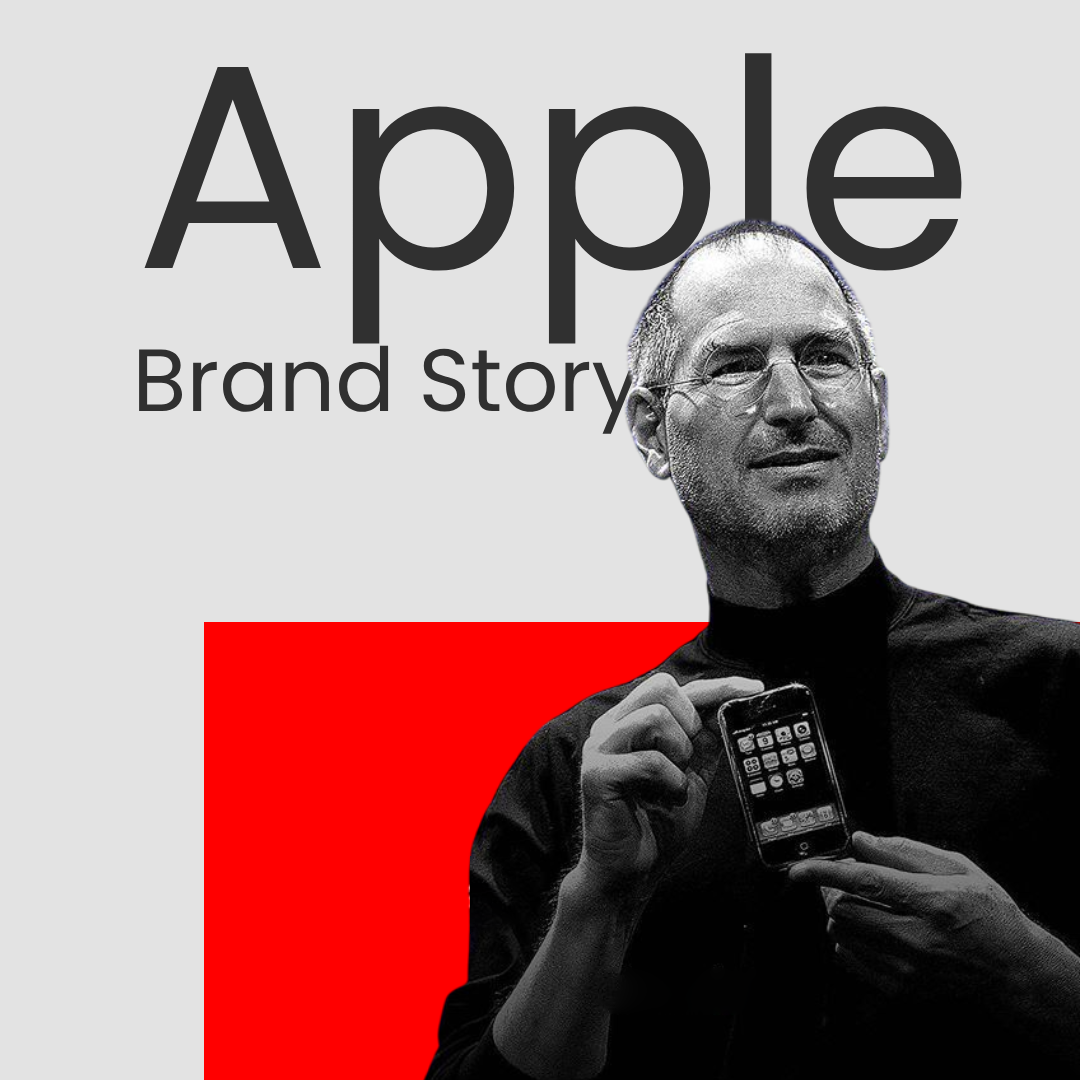
In 2007, Apple introduced a product that would change the world forever—the iPhone. At first glance, it was just another mobile phone, but Apple’s storytelling turned it into something more.
Steve Jobs unveiled the iPhone with a simple yet powerful presentation. He described it as three revolutionary products in one—a widescreen iPod, a phone, and an internet communicator. This messaging made the iPhone feel like a necessity, not just another gadget.
Why Was the iPhone So Revolutionary?
- User-Friendly Interface – The touchscreen eliminated physical buttons, making it sleek and intuitive.
- App Store Ecosystem – Apple gave developers a platform to create apps, leading to the birth of a massive digital economy.
- Aesthetic and Functionality – Apple focused on making the device beautiful and functional, something no other company had mastered.
Apple’s ability to tell a story around the iPhone made it more than just a piece of technology—it became a status symbol, a must-have device that redefined mobile communication.
The Apple Ecosystem: Creating Loyalty Through Experience
One of Apple’s smartest moves in brand storytelling was creating an ecosystem that kept customers engaged. Apple devices don’t just work well alone—they work best together.
When you buy an iPhone, it naturally leads you to buy a MacBook, an iPad, or an Apple Watch because they all connect seamlessly. Features like iMessage, AirDrop, and Handoff create an effortless experience that competitors struggle to replicate.
How Apple’s Ecosystem Strengthens Its Brand Story
- Consistency – Every Apple product follows a similar design language, making them feel like part of the same family.
- Exclusivity – Apple products work best with other Apple products, making users more likely to stay within the ecosystem.
- Seamless Experience – The transition between Apple devices is so smooth that switching to another brand feels inconvenient.
This strategy ensures that once a customer enters Apple’s world, it’s difficult to leave. More importantly, it makes Apple feel like a lifestyle, not just a brand.
Apple’s Advertising Strategy: Simplicity and Emotion
Apple’s advertising is one of the strongest aspects of its brand storytelling. Unlike traditional tech companies that focus on features and specifications, Apple focuses on emotions, simplicity, and human connection.
Iconic Apple Advertising Campaigns
- Think Different (1997) – Celebrated visionaries like Albert Einstein and Martin Luther King Jr., reinforcing Apple’s image as a company for creative thinkers.
- iPod Silhouettes (2003-2008) – Simple yet effective ads with dancing silhouettes and vibrant backgrounds, making the iPod feel fun and energetic.
- Shot on iPhone (2015-Present) – Showcases stunning images captured by everyday users, proving the power of the iPhone camera.
Apple’s storytelling in ads doesn’t just sell products; it sells ideas, emotions, and experiences. This approach creates a deep connection with consumers, making them feel like they are part of something bigger.
The Role of Design and Aesthetics in Apple’s Branding
Apple’s design philosophy plays a crucial role in its brand storytelling. Steve Jobs believed that design isn’t just how something looks—it’s how it works. This mindset shaped Apple’s minimalist, intuitive, and elegant products.
Key Elements of Apple’s Design
- Simplicity – Apple avoids clutter, both in product design and software interface.
- Premium Materials – Aluminum, glass, and stainless steel give Apple products a high-end feel.
- Attention to Detail – Every aspect, from packaging to icons, is carefully crafted.
Apple’s commitment to design makes its products instantly recognizable. More than that, it reinforces the idea that Apple isn’t just selling technology—it’s selling art.
Apple’s Connection with Its Audience
Apple doesn’t just have customers—it has fans. This level of brand loyalty comes from Apple’s ability to connect with its audience on an emotional level.
How Apple Builds Strong Customer Relationships
- Exclusivity – Apple creates anticipation with limited product leaks and high-profile launch events.
- Community Engagement – Apple users form online communities, sharing tips and experiences, which strengthens brand loyalty.
- Customer Experience – Apple Stores are designed like art galleries, offering hands-on experiences with products.
Apple understands that people don’t just buy products; they buy into a brand’s philosophy. This emotional connection ensures that customers keep coming back.
Apple’s Influence on Modern Brand Storytelling
Apple’s branding strategies have influenced countless companies across various industries. From Tesla to Nike, brands now focus on storytelling rather than just selling products.
How Apple’s Storytelling Changed Marketing
- Emphasizing User Experience – Instead of listing features, companies now focus on how a product improves daily life.
- Creating Emotional Narratives – Brands use stories to make products feel personal and essential.
- Minimalist Marketing – Apple’s clean, simple approach to branding has become a trend across industries.
Apple’s success proves that good storytelling is just as important as good technology.
Challenges and Criticism: Is Apple’s Storytelling Still Effective?
Despite its success, Apple has faced criticism over the years. Some argue that its branding has become predictable, while others believe innovation has slowed down.
Common Criticisms of Apple
- High Prices – Apple products are expensive, making them inaccessible for many.
- Lack of Major Innovation – Some believe Apple is now refining old ideas rather than creating new ones.
- Closed Ecosystem – While convenient, Apple’s ecosystem locks users in, limiting flexibility.
While Apple remains a strong brand, it must continue evolving its storytelling to stay relevant.
Apple’s Sustainability and Ethical Branding Efforts
In recent years, Apple has focused on sustainability as part of its brand narrative. With growing concerns about climate change, Apple has positioned itself as an environmentally responsible company.
Apple’s Sustainability Initiatives
- 100% Recycled Aluminum – Many Apple products now use recycled materials.
- Carbon Neutral Goals – Apple aims to be completely carbon neutral by 2030.
- Right to Repair Movement – Apple has started allowing customers to repair their own devices.
By embracing sustainability, Apple reinforces the idea that it’s not just about profit—it’s about making the world a better place.
Future of Apple’s Brand Storytelling
What’s next for Apple? With new innovations like augmented reality, AI, and electric vehicles, Apple’s storytelling will continue evolving.
Possible Future Storytelling Strategies
- AI and Personalization – Apple could use AI to create even more personalized user experiences.
- Health and Wellness Focus – With products like the Apple Watch, Apple may expand into healthcare technology.
- Augmented Reality (AR) Revolution – Apple’s AR devices could redefine how we interact with digital content.
Apple’s ability to tell compelling stories will ensure it remains a dominant force in the tech industry.
Conclusion
Apple’s transformation from a garage startup to a global icon is one of the greatest brand storytelling success stories in history. By focusing on simplicity, emotion, and innovation, Apple has built a brand that people don’t just buy—they believe in.
As technology evolves, Apple’s ability to tell powerful stories will keep it at the forefront of the industry. Whether through sleek design, innovative products, or captivating advertising, Apple’s storytelling will continue to inspire generations to come.
FAQ
-
What makes Apple’s brand storytelling so effective?
Apple’s storytelling focuses on simplicity, emotion, and innovation, making its products feel essential rather than just functional.
-
How has Apple influenced other brands?
Apple’s marketing strategies have inspired brands to focus on user experience, emotional narratives, and minimalist branding.
-
What are some of Apple’s most iconic ads?
Some of Apple’s most famous ads include the “Think Different” campaign, iPod silhouette ads, and “Shot on iPhone” series.
-
How does Apple’s ecosystem contribute to its success?
Apple’s interconnected devices create a seamless user experience, making it difficult for customers to switch to competitors.
-
What’s next for Apple’s brand storytelling?
Apple may focus on AI, augmented reality, and sustainability to shape its future brand narrative.


 English
  简体中文
简体中文  Čeština
  Deutsch (Sie)
  Français


