


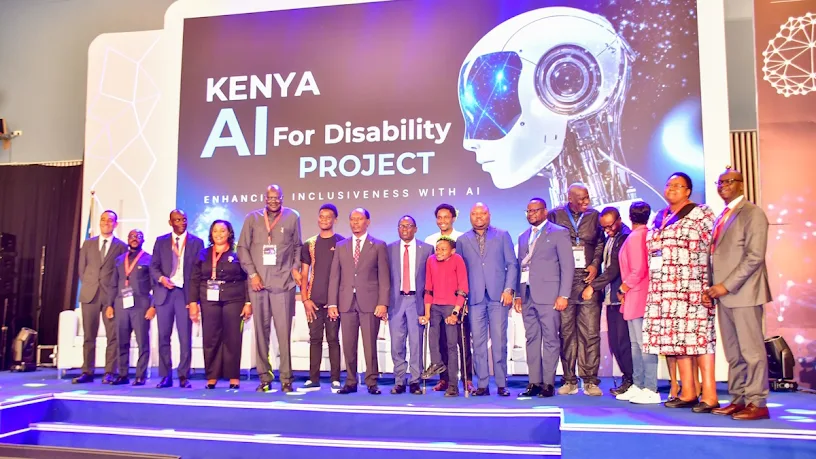

Kenya has taken a significant step toward inclusive technology with the launch of a new Artificial Intelligence (AI) project designed to empower people with disabilities and expand their access to the digital economy.
The initiative, unveiled in Nairobi at the Connected Africa Summit 2026, is a collaboration between the Kenyan government and global technology partners including Huawei. Its core mission is simple but powerful: ensure that no one is left behind in the country’s fast-growing digital transformation.
At the heart of the project is the development of assistive technologies powered by AI. These tools are expected to help people with disabilities better access education, employment opportunities, and online services areas where barriers have traditionally limited participation.
Government officials say the initiative reflects a broader commitment to inclusion. By placing persons with disabilities at the center of innovation, Kenya aims to create a more equitable digital economy where everyone can contribute and benefit.
The project brings together a diverse group of stakeholders from policymakers and tech companies to disability-focused organizations and innovators. This collaborative approach is designed to tackle real-life challenges, from communication barriers to limited access to digital tools, using practical AI-driven solutions.
Beyond technology, the initiative also focuses on building skills and awareness. Training programs, inclusive infrastructure, and stronger partnerships are expected to play a key role in ensuring long-term impact.
For Kenya, this is more than just a tech project it’s a statement of intent. As the country accelerates its digital ambitions, it is also setting a precedent for how innovation can be used to promote equality and social inclusion.
In a world increasingly shaped by technology, Kenya’s approach highlights an important truth: true progress is only meaningful when it includes everyone.


 English
  简体中文
简体中文  Čeština
  Deutsch (Sie)
  Français


