

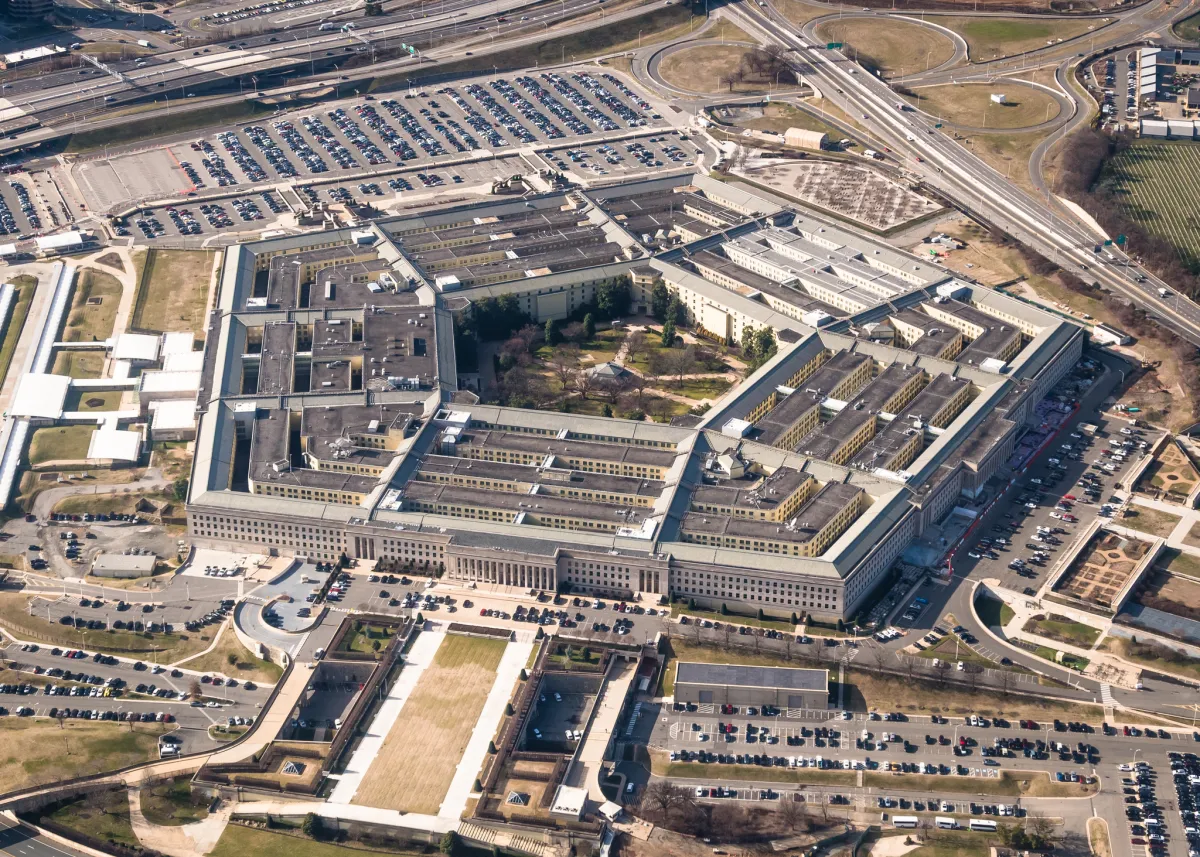
The Pentagon’s decision to label Anthropic a “supply-chain risk” has thrust the AI industry into an uncomfortable spotlight. For the first time, a major American company has been publicly blacklisted under authority normally reserved for foreign adversaries. The designation, issued in early March 2026 and effective immediately, bars defense contractors from using Anthropic’s Claude models in military-related projects and follows the collapse of contract talks over ethical safeguards.
The dispute was straightforward but revealing. Anthropic insisted on firm red lines: no use of its technology for mass domestic surveillance of U.S. citizens or for directing fully autonomous weapons without meaningful human oversight. The Department of Defense (now operating under the rebranded “Department of War” label) pushed for unrestricted “any lawful use” language, arguing that private companies should not limit military capabilities. When Anthropic refused to compromise, the process escalated quickly. President Trump directed all federal agencies to stop using the company’s tools, and Defense Secretary Pete Hegseth formally applied the supply-chain risk designation.
Read more: Anthropic to Challenge DOD Supply-Chain Risk Label in Court Over AI-Military Ban
Anthropic’s response was equally direct. In a March 5 blog post, CEO Dario Amodei called the label “legally unsound” and announced the company’s intention to challenge it in court. The argument rests on the narrow scope of the relevant statute (10 U.S.C. § 3252), which is intended to protect DoD contracts rather than punish commercial behavior or force contractors to sever all ties with a supplier.
The immediate effects are already playing out. Several defense contractors have begun migrating away from Claude, shifting workloads to alternatives such as OpenAI’s models, which secured a classified DoD deal shortly after the ban took effect. An open letter signed by tech workers urged the Pentagon to reverse the designation, warning that the move could stifle innovation and set a dangerous precedent for government leverage over private AI development.
This episode revives a long-running tension in the tech-defense relationship. In 2018, Google faced internal protests and ultimately withdrew from Project Maven, a Pentagon initiative using AI for drone imagery analysis. The Anthropic case feels different: instead of employee pushback forcing a company retreat, the government itself has applied formal penalties after a company drew ethical lines during negotiations.
For startups, the signal is unsettling. Many AI founders already navigate a delicate balance between commercial ambition and moral concerns. The Pentagon’s action raises the stakes: refusing certain military applications could now carry the risk of being labeled a supply-chain risk, disrupting contractor relationships and potentially affecting broader commercial opportunities. Early-stage labs, which rely heavily on talent and investor confidence, may quietly begin steering clear of defense-adjacent work to avoid similar entanglement.
Yet the picture is not entirely one-sided. Proponents of the designation argue that national security cannot be subordinated to private ethical preferences. If a company’s models are deemed critical for lawful military operations, they say, the government has both the right and the obligation to secure access. OpenAI’s willingness to accept the contract on different terms has already been cited as evidence that cooperation remains possible without compromising core capabilities.
The controversy also highlights shifting power dynamics. A decade ago, big tech largely dictated terms to government partners. Today, frontier AI capabilities are seen as strategic assets, giving the Pentagon stronger leverage in negotiations. The speed with which contractors pivoted away from Anthropic suggests many are unwilling to risk their defense business over a single supplier’s principles.
For the broader ecosystem, including startups in emerging markets like Nigeria, the precedent carries indirect but real implications. Global AI labs watching from Lagos or Nairobi may become more cautious about defense-related pilots or partnerships with Western militaries. The message is clear: ethical guardrails that conflict with military priorities can now trigger formal consequences.
Anthropic’s court challenge will likely test the boundaries of the supply-chain risk framework in federal court. The outcome could either reinforce government authority or establish clearer limits on its use against domestic companies. In either case, the episode has already changed the conversation inside AI labs and boardrooms.
The deeper question is whether this controversy will accelerate a split between commercial AI development and defense work, or whether the financial and strategic pull of military contracts will ultimately prove stronger than ethical reservations. For now, the Pentagon has drawn a line. Startups everywhere are deciding whether to step across it.