

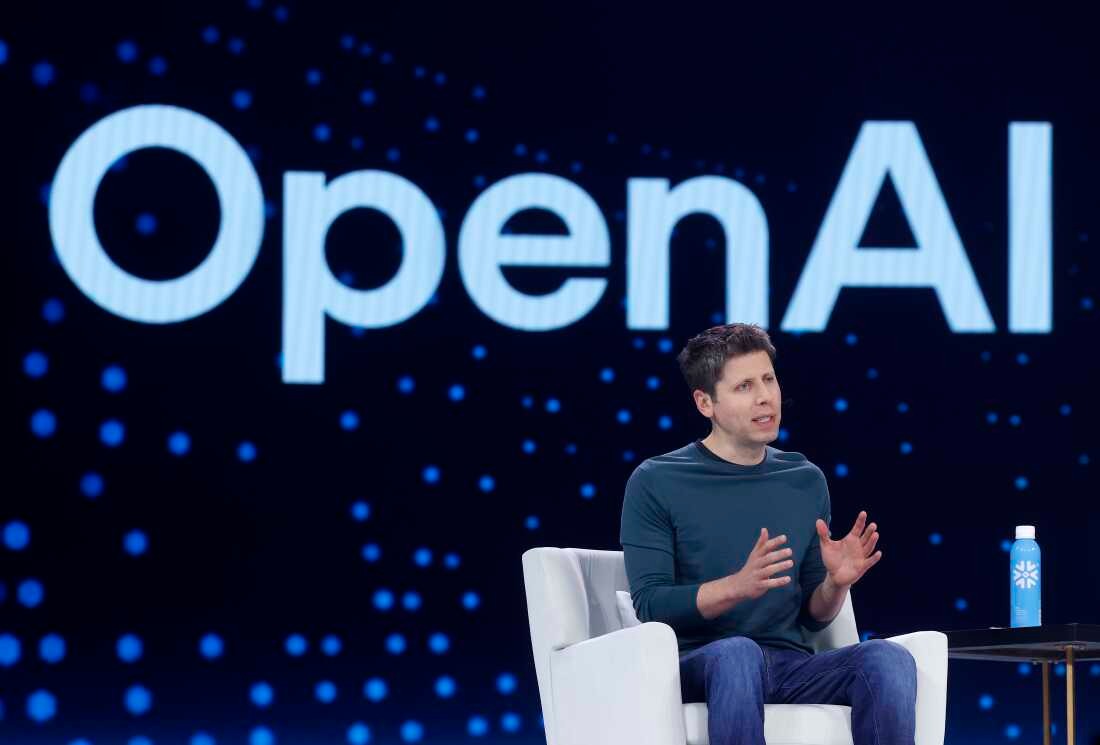
As the AI hype cycle shows no signs of slowing, OpenAI is ramping up its talent hunt with the 2026 Residency program, a six-month deep dive aimed at spotting and supercharging the next generation of AI innovators. Detailed on their careers page, this isn’t your run-of-the-mill fellowship; it’s a full-time gig embedding residents in San Francisco’s Research teams, where they’ll tackle frontier problems under the guidance of top-tier mentors. With applications rolling and reviews potentially starting in January 2026, it’s a clarion call for obsessives who live and breathe intelligence.
OpenAI’s pitch? They’re building a “talent discovery engine” to unearth folks with explosive potential, regardless of resume polish. In a field bloated with PhDs from Stanford and MIT, this program nods to the company’s roots in welcoming wildcards, self-taught coders, indie hackers, and cross-field mavericks from physics or neuroscience. As CEO Sam Altman & Co. chase AGI that “benefits all of humanity,” they’re banking on diverse brains to avoid the pitfalls of groupthink.
Six Months of High-Octane AI Immersion
Residents hit the ground running as full-time employees, plugging into OpenAI’s Research org for hands-on work on “cutting-edge problems.” Expect mentorship from senior pros, experiment design, and real contributions to ongoing projects. It’s hybrid with a heavy in-person vibe in SF, complete with relocation perks for those making the move.
The endgame? Ramp fast, deliver impact, and potentially convert to a permanent spot based on performance and team needs. Start dates flex to fit, but the bar’s high: Proficiency in programming, comfort with math heavyweights like linear algebra and calculus, and the chops to solo complex builds are non-negotiable.
Who Should Apply
OpenAI’s casting a wide net, prioritizing trajectory over titles. They’re eyeing:
- Creative Coders and Founders: If you’ve hacked prototypes, shipped tools, or bootstrapped startups, this is your lane.
- Quick Learners in Chaos: Thrivers in unstructured setups who turn ambiguity into innovation.
- Cross-Disciplinary Wizards: Physicists, mathematicians, neuroscientists, anyone bridging fields to AI.
- Self-Starters and Indie Thinkers: Open-source contributors, self-taught ML enthusiasts with a portfolio of wild experiments.
Must-haves? Rock-solid programming chops, comfort with advanced math (linear algebra, stats, calculus), and the ability to solo complex projects. Preferred: Awards, publications, hackathon wins, or signs of originality. Oh, and be open to sticking around full-time if it clicks.
Eligibility is inclusive: Relocation support for those heading to SF, equal ops across the board, and accommodations for disabilities. Background checks apply, but they’re fair-chance friendly under local laws.
Not Just Peanuts in the AI Gold Rush
Compensation isn’t skimpy, $18,300 monthly base (that’s about $220K annualized), plus overtime for non-exempt roles. Layer on generous equity grants, performance bonuses, and a benefits buffet that screams Big Tech:
- Health trifecta: Medical, dental, vision with HSA boosts and pre-tax FSAs.
- Family focus: Up to 24 weeks paid parental leave, plus caregiver time.
- Time off: Flexible PTO, 13+ holidays, company recharge shutdowns.
- Wellness wins: Mental health support, learning stipends, daily meals (office or delivered).
- Retirement and more: 401(k) match, life/disability coverage, relocation aid, and even donation matching.
It’s at-will employment, with comp tweaks possible based on performance or market shifts. Full deets drop during hiring.
Apps Open, Reviews Imminent
Head to the application portal to submit. Reviews and interviews, packed with technical gauntlets, start as soon as January 2026, with flexible start dates. Pro tip: Highlight your AI obsession, standout achievements, and why you’re all-in on human-benefiting tech. OpenAI might even use AI to sift apps, so keep it authentic.
No hard deadline listed, but with spots likely limited, early birds get the worm. Immigration sponsorship? Case by case, so flag it in your app.
Building AI’s Diverse Future
In a field dominated by PhDs and elite unis, OpenAI’s residency is a bold bet on untapped talent. It’s not just filling seats, it’s diversifying the brains behind AGI to avoid echo chambers. As AI ethics debates rage and regulations loom, programs like this could help ensure broader perspectives are represented at the table.
Whether you’re a garage tinkerer or a physics prodigy eyeing ML, this could be your ticket to the big leagues. We’ll be tracking who lands these gigs and what breakthroughs follow. In the meantime, if AI’s your jam, sharpen those skills; 2026’s calling.